I’ve inherited the ever-useful sleeping-in-public-transportation gene from my mom. A travel-mate with a similar condition aptly dubbed this skill as forward-motion sleeping.
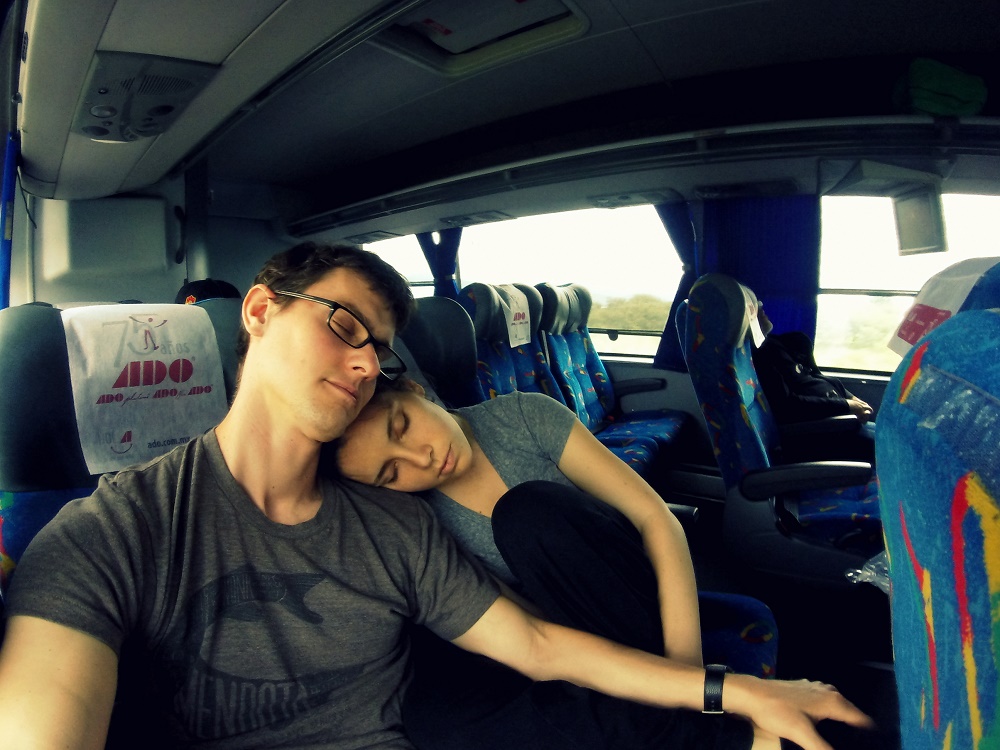 But who took the photo?!
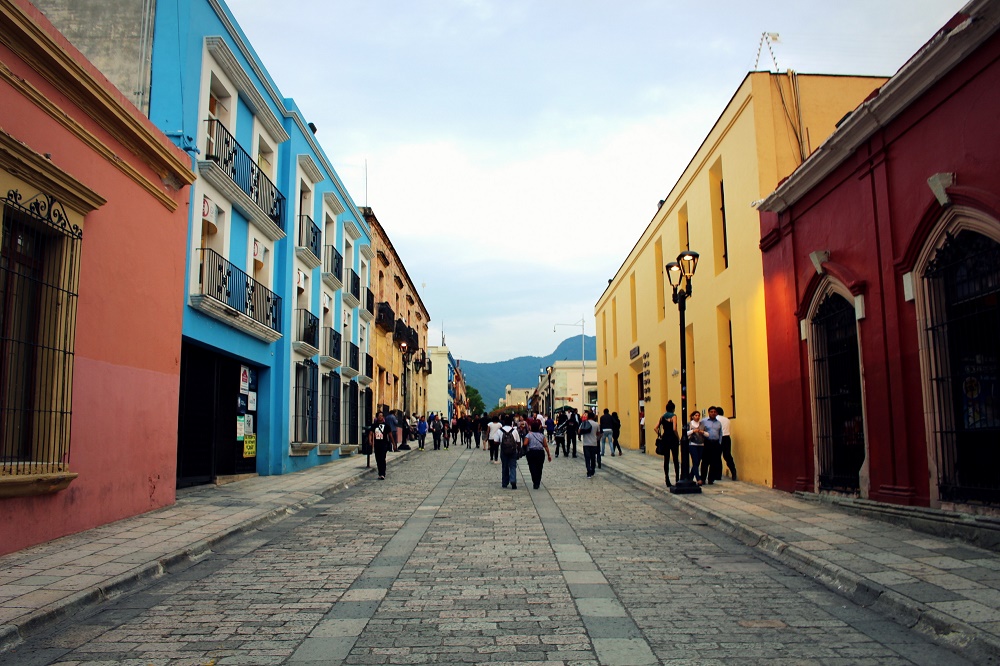
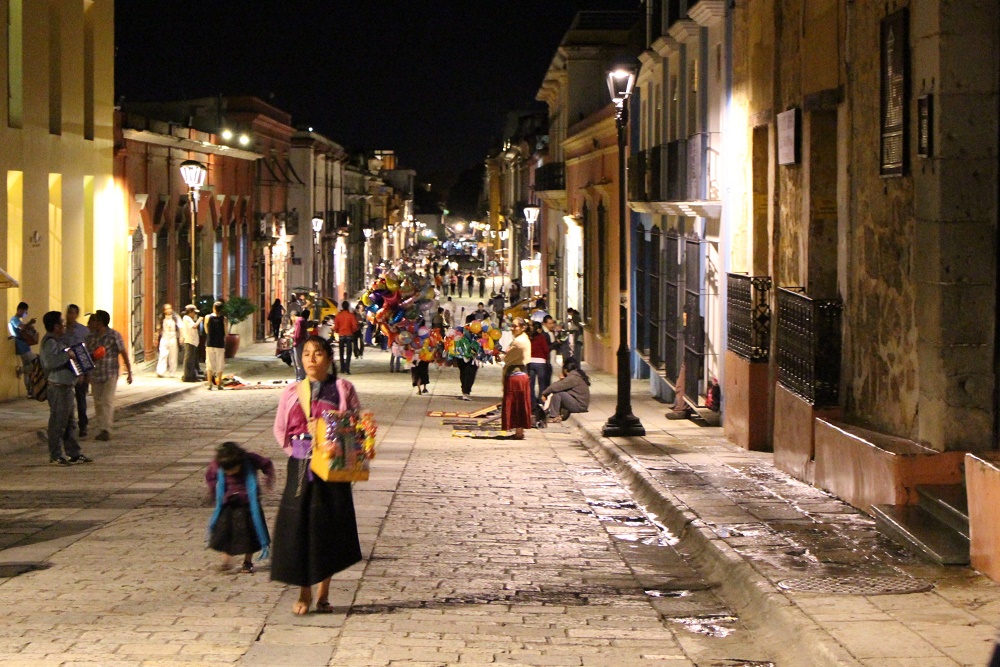
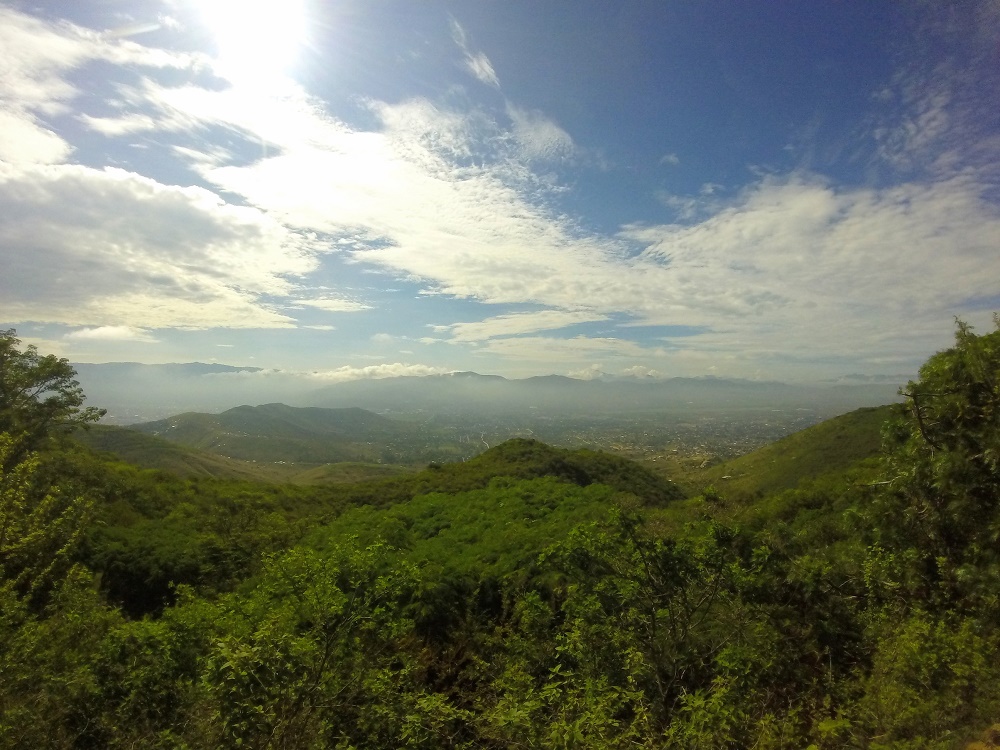
Southeastward from Puebla we continued. The landscape south of Puebla is desolate, though I would have never known had Julien not been snapping photos and short videos the entire ride (see previous photo) but the 4-hour ride was rewarded with the warm welcome of our next couch-surfing host, Miguel, and the beautiful colonial city, Oaxaca. We ended up staying a total of four days.
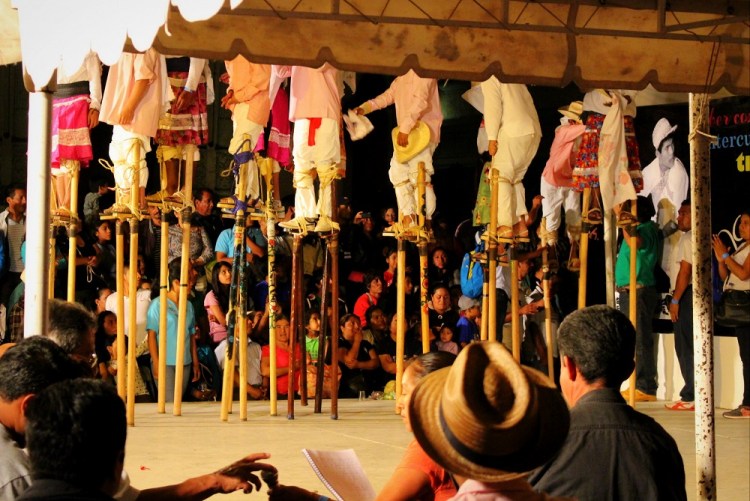
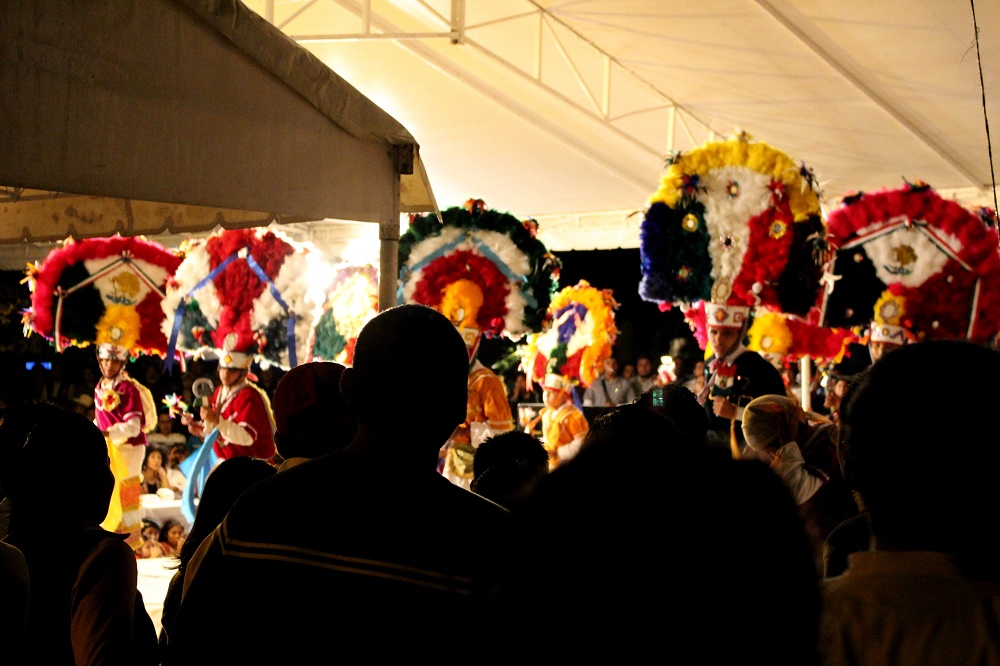 Public traditional dance performance; the dance in the photo below was one that Miguel had never seen before and was called el Baile de Zancudos, or Dance of the Mosquitoes. We’re not sure if the dancers were the mosquitoes with their long spindly legs, or if the insistent and constant stamping about was in imitation of one being annoyed by the pest.
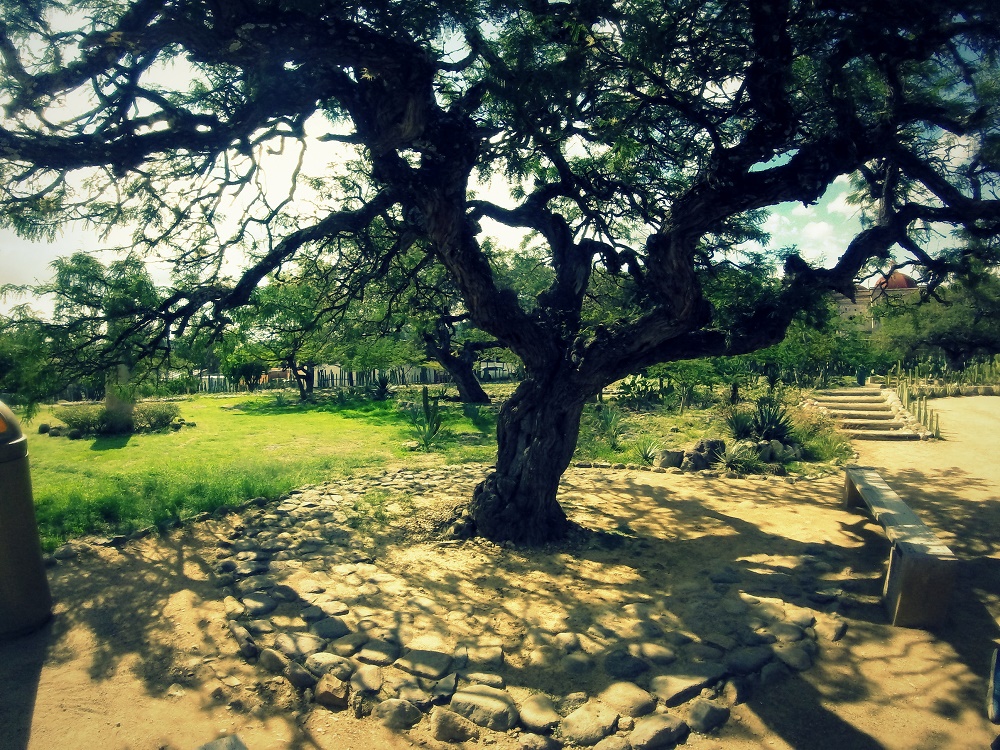
That evening we booked a tour for the next day intrigued by its seemingly randomness in sites: a visit to the widest tree in the world, a tour through a family owned textile house, a stop at the curious pools of Hierve el Agua and the petrified waterfall, buffet lunch with typical Oaxacan cuisine, a short stop-over at the ruins of Mitla, and a taste-testing at a mezaleria, where they concoct the newly-back-in-fashion liquor, mezcal.
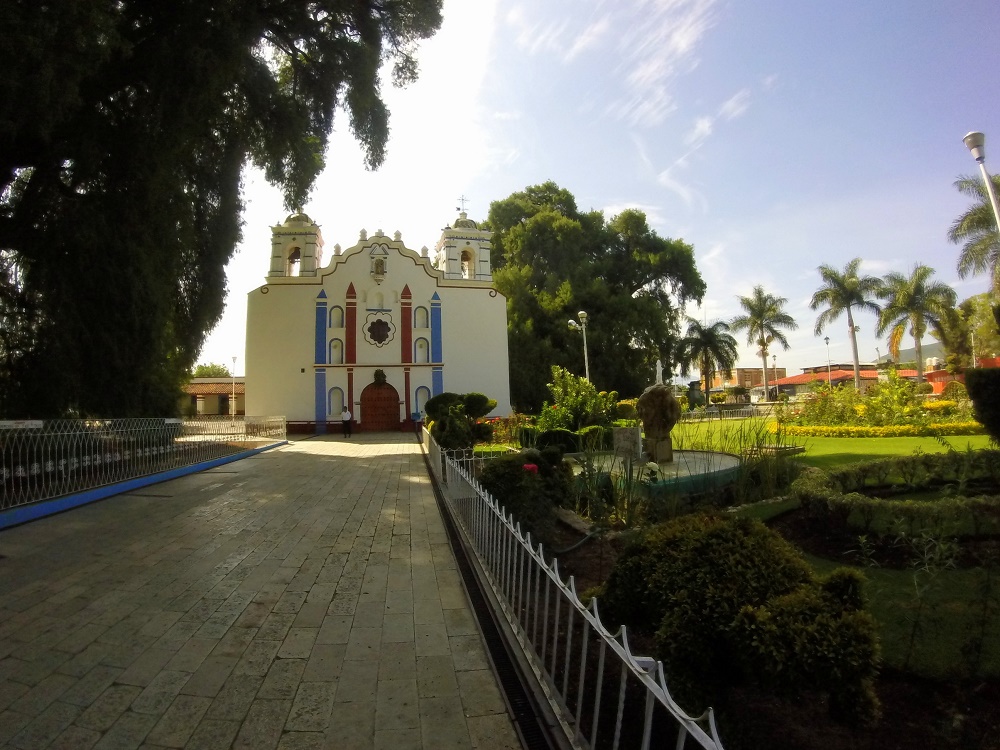
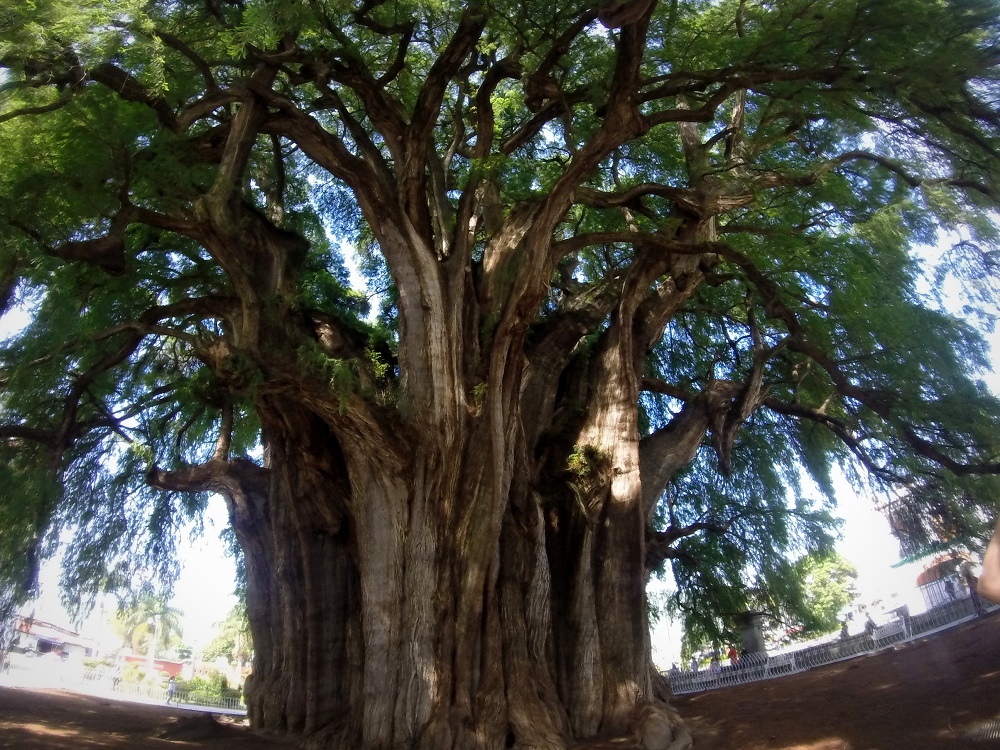 Arbol de Tule stats: 42 meters (138 feet) tall, 14 meters (45 feet) diameter, over 2000 years old. A few years ago, when the tree started dying, the community moved the busy nearby interstate two kilometers further away, campaigned (successfully) to stop nearby mining, grew a garden to retain moisture in the park around the tree, and the tree is back up and kickin’!
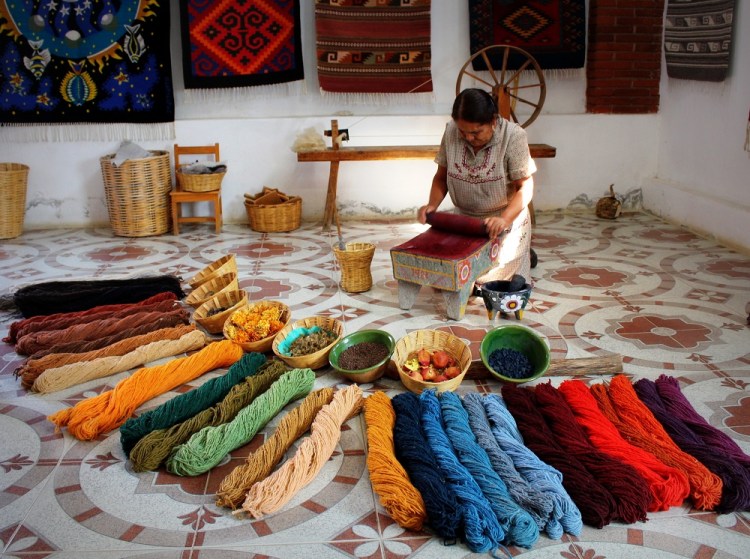
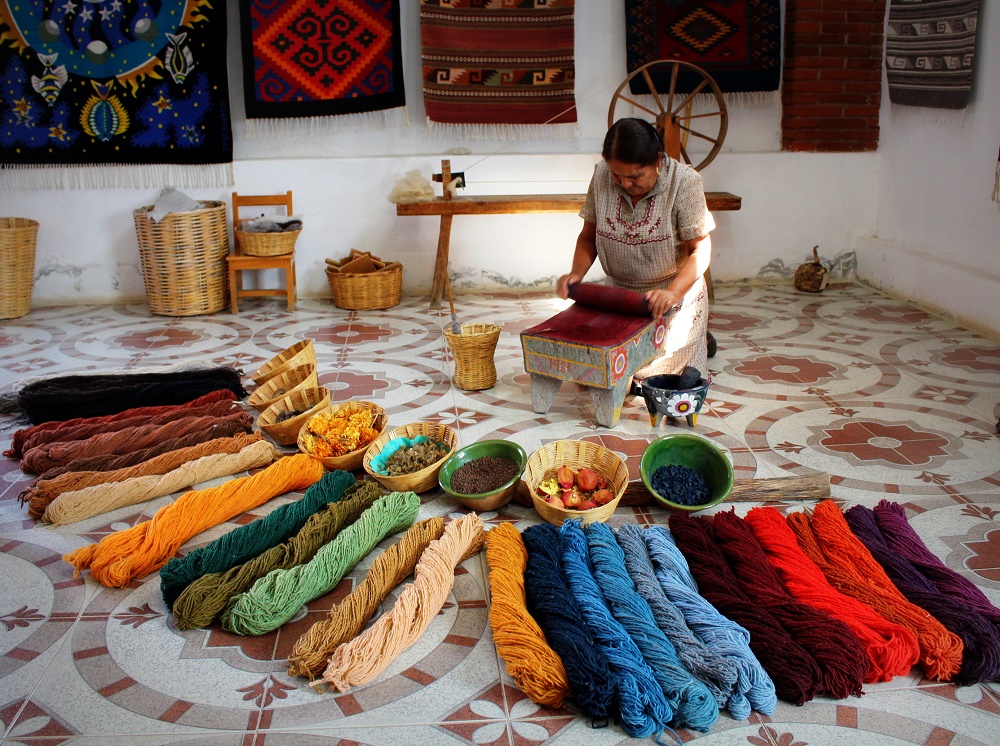 Showing us how they obtain their natural dyes for the wool, everything from berries to adding lime, baking soda, etc for a rainbow of vibrant color.
 The start of a tapestry that will be a copy of Van Gogh’s sunflower painting.
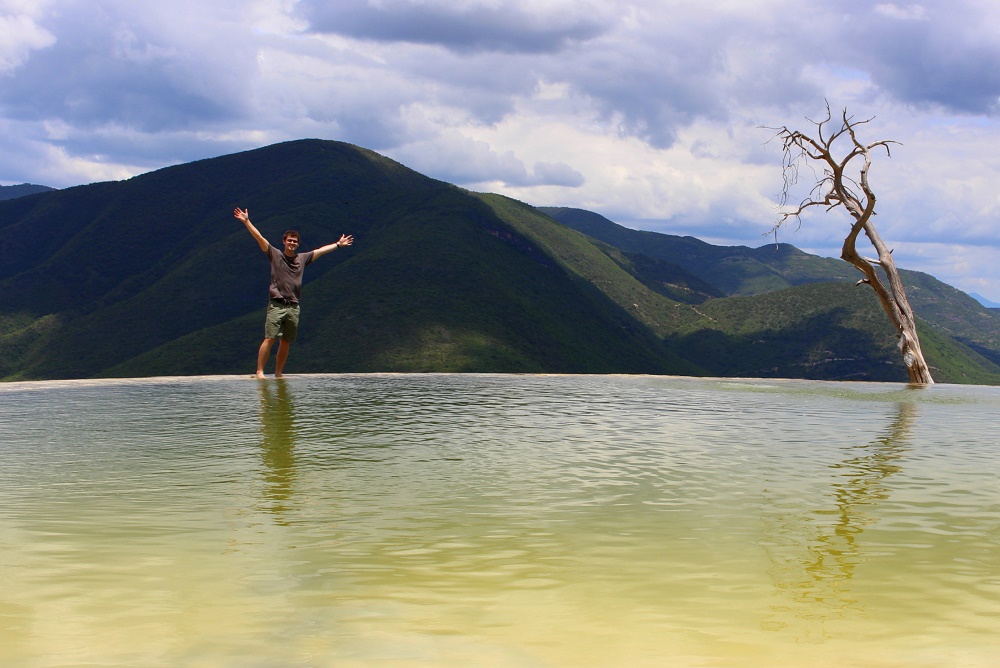
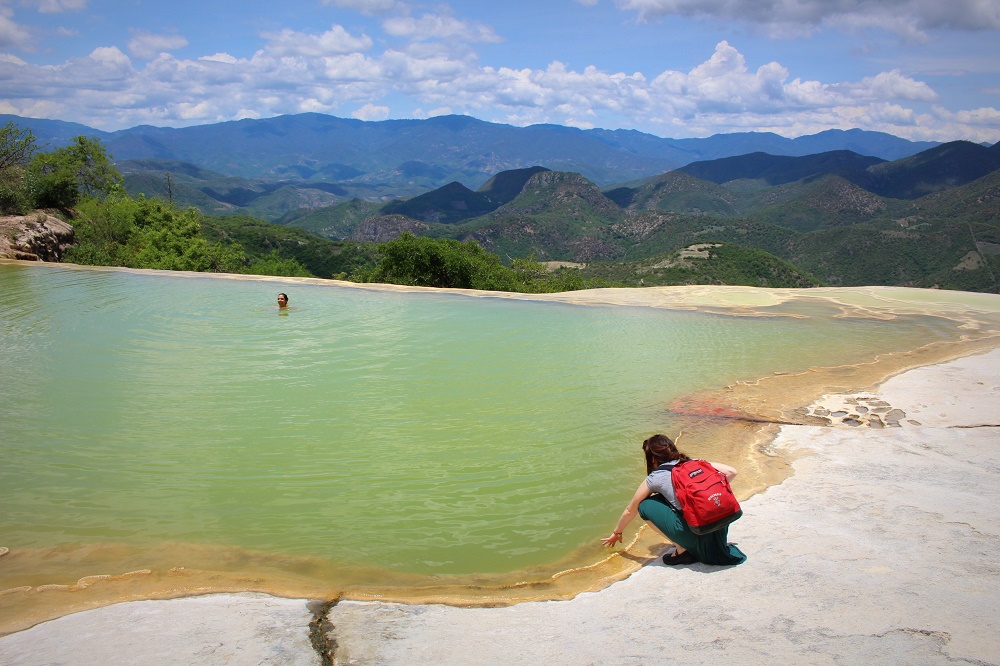 Hierve el Agua
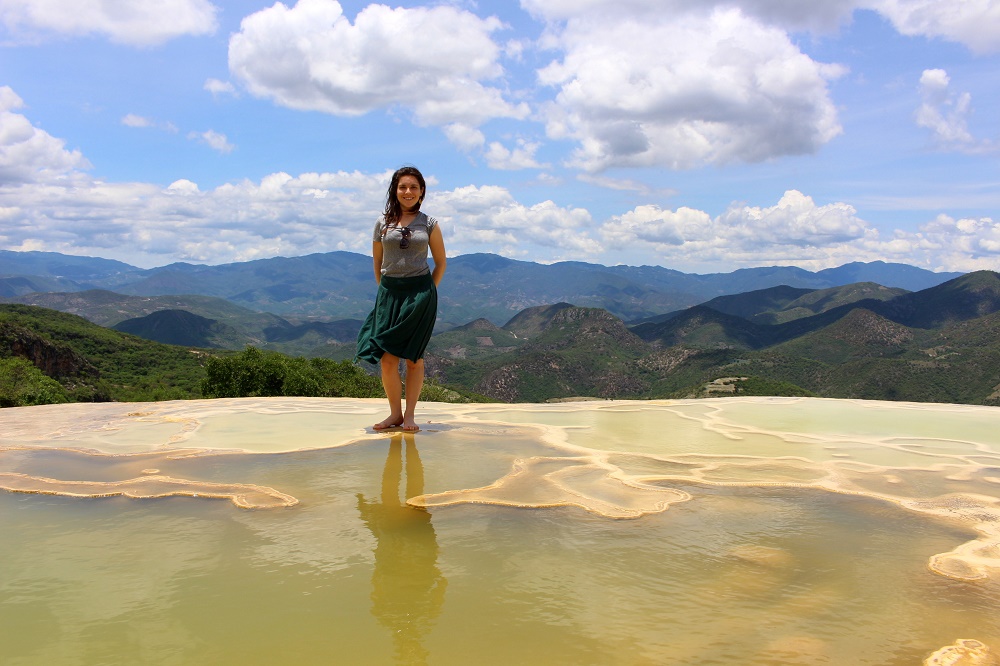
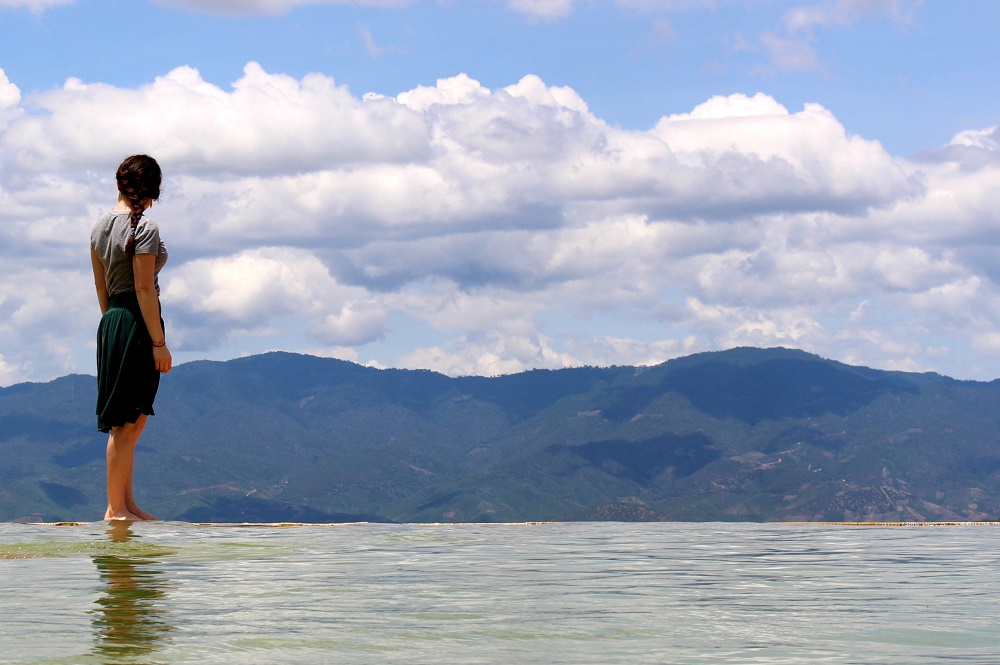
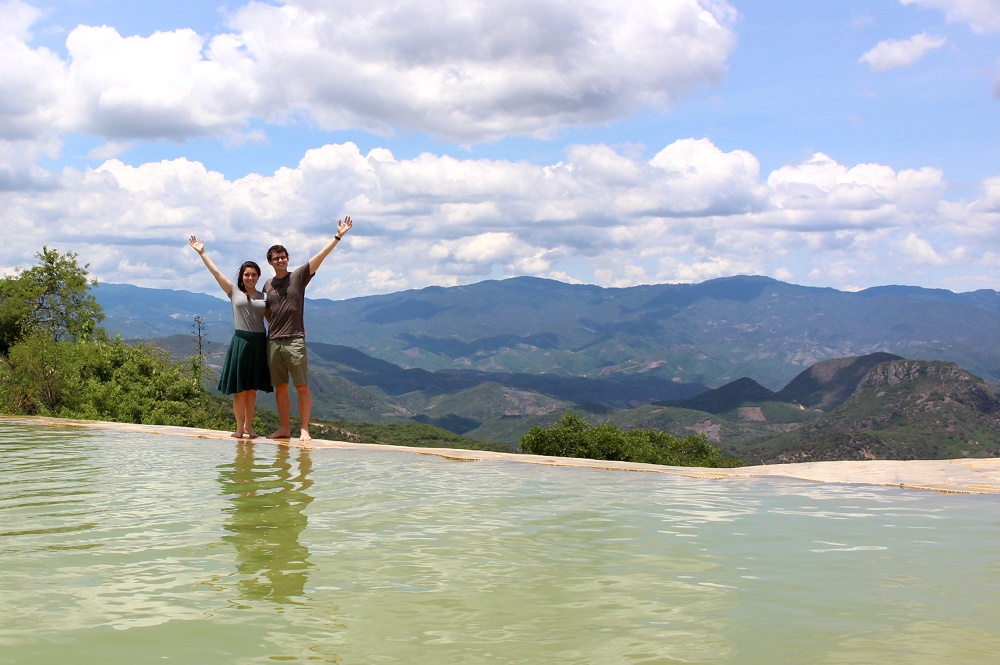
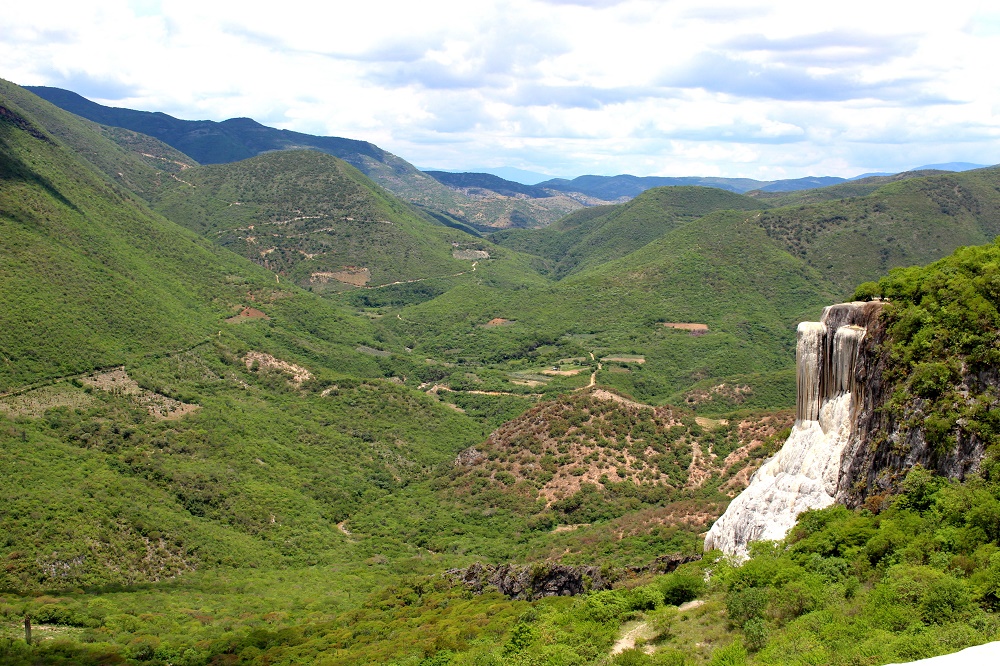 Petrified waterfalls
 Mitla: unique in that the entire site is made up of walls and pieces that interlock perfectly, without any sort of mortar, but with just the right amount of wiggle-room to make it earthquake-proof.
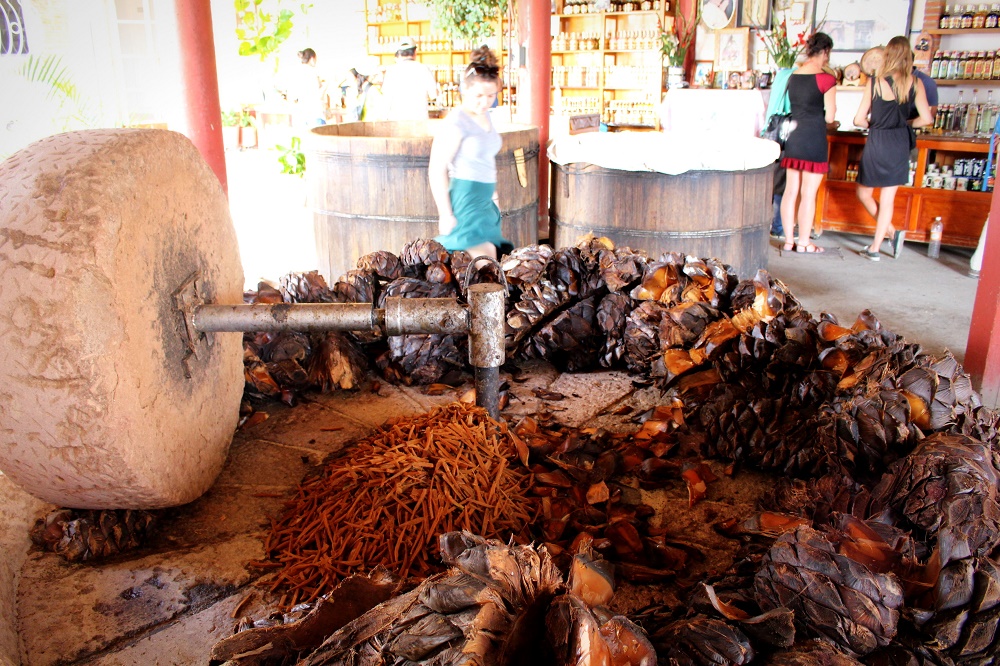 The beginning of the mescal-making process: squishing cooked agave.
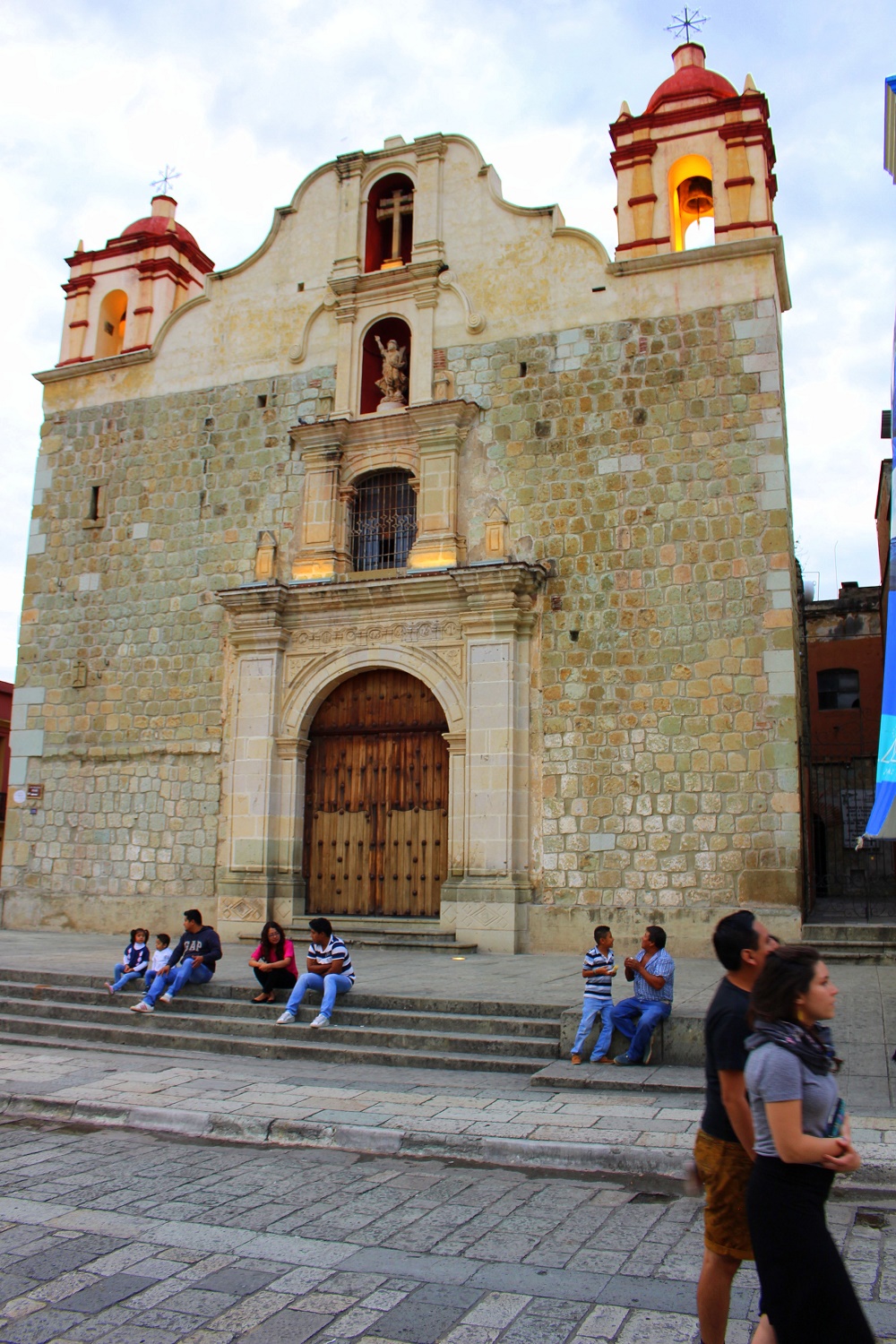
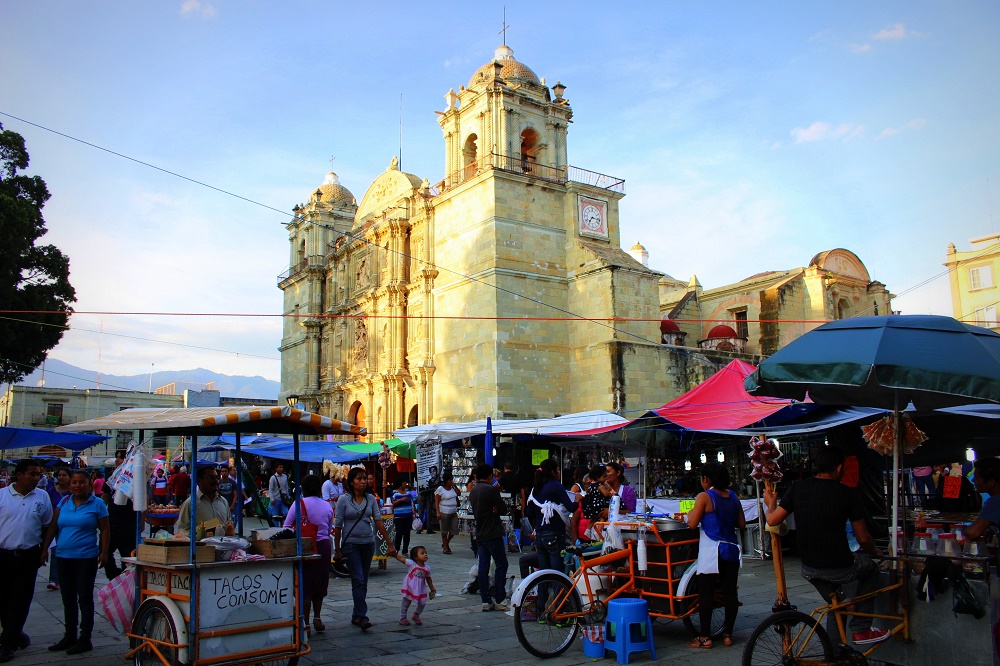 Back in Oaxaca with the lovely Templo de Santo Domingo basking in the sunset.
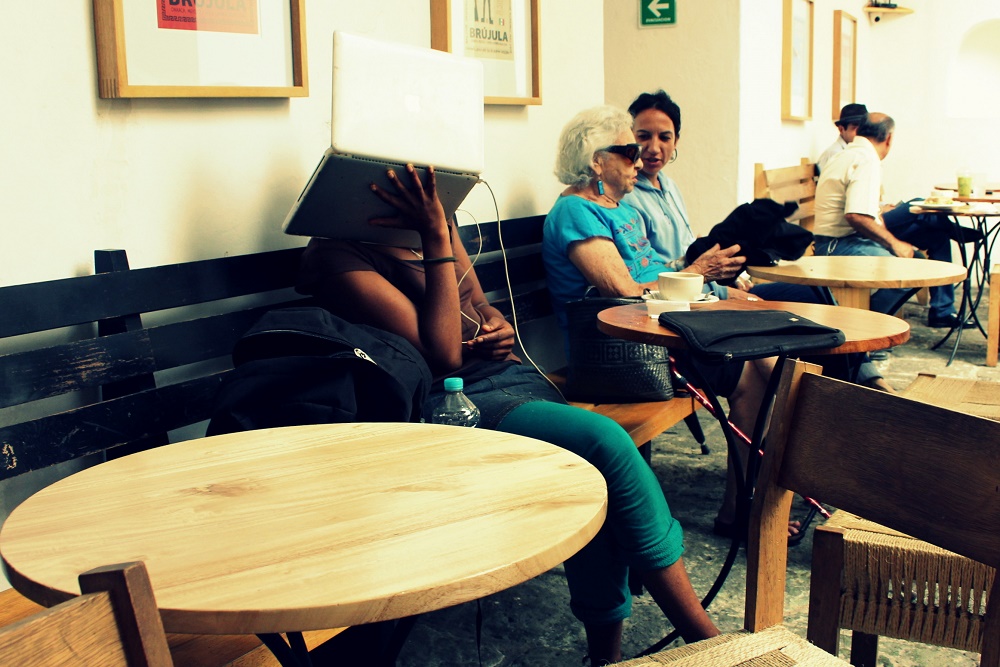 Traveling/ex-pat life: talking into your Mac like a telephone.
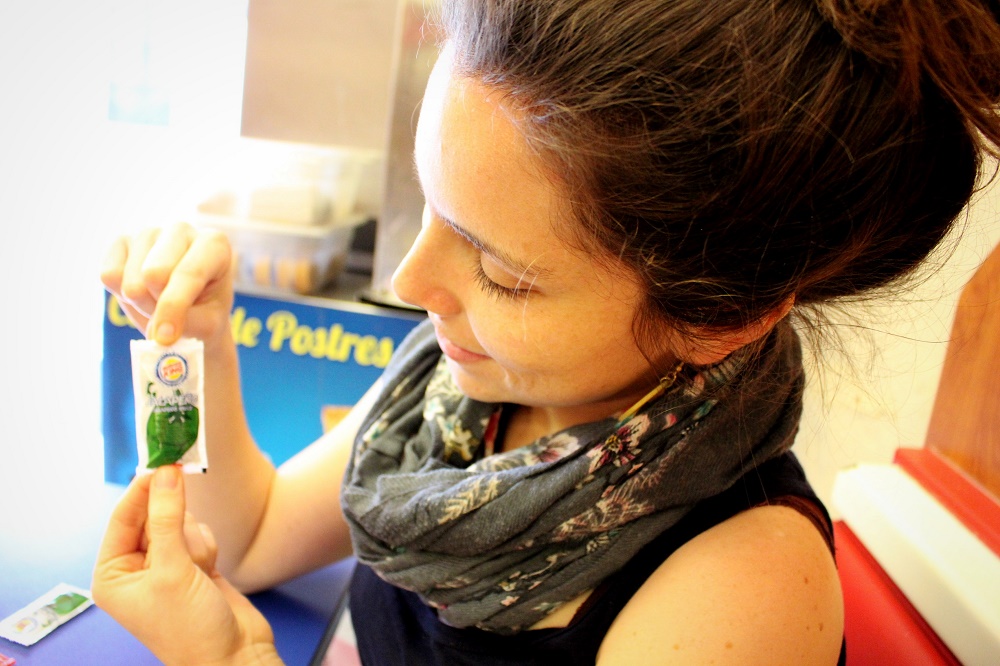 Even Burger King has jalapeño sauce. This country has its spicy priorities in order.
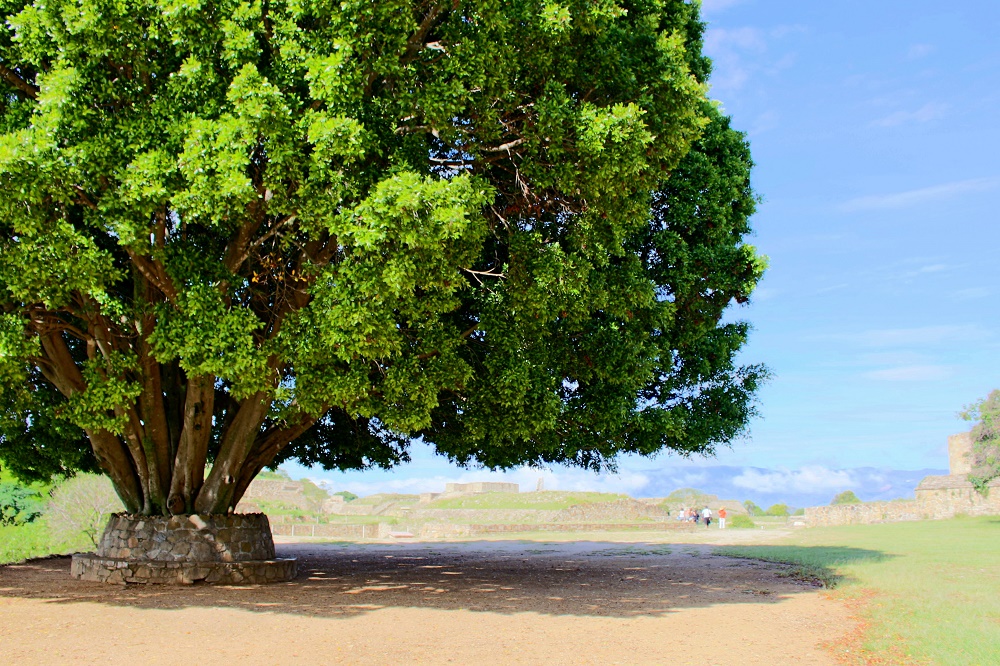
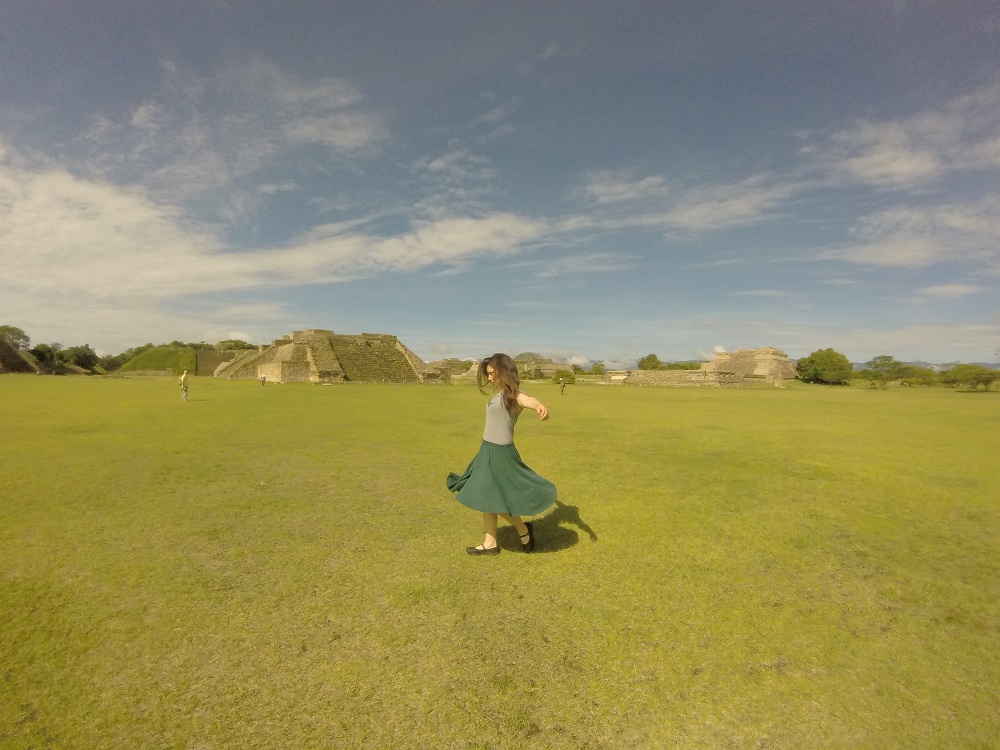
And the next day we headed to Monte Albán
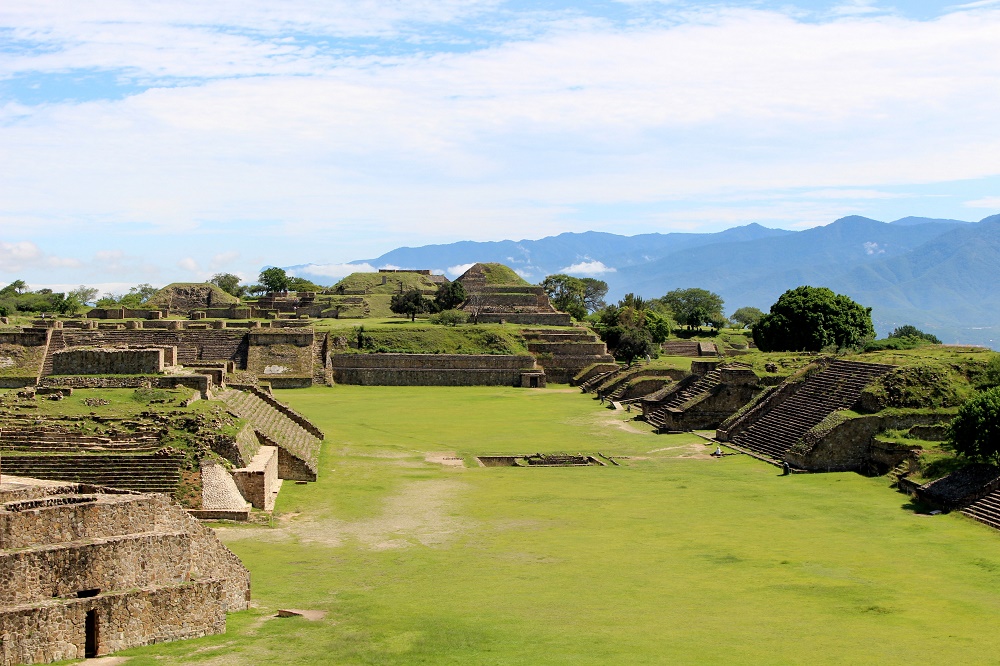
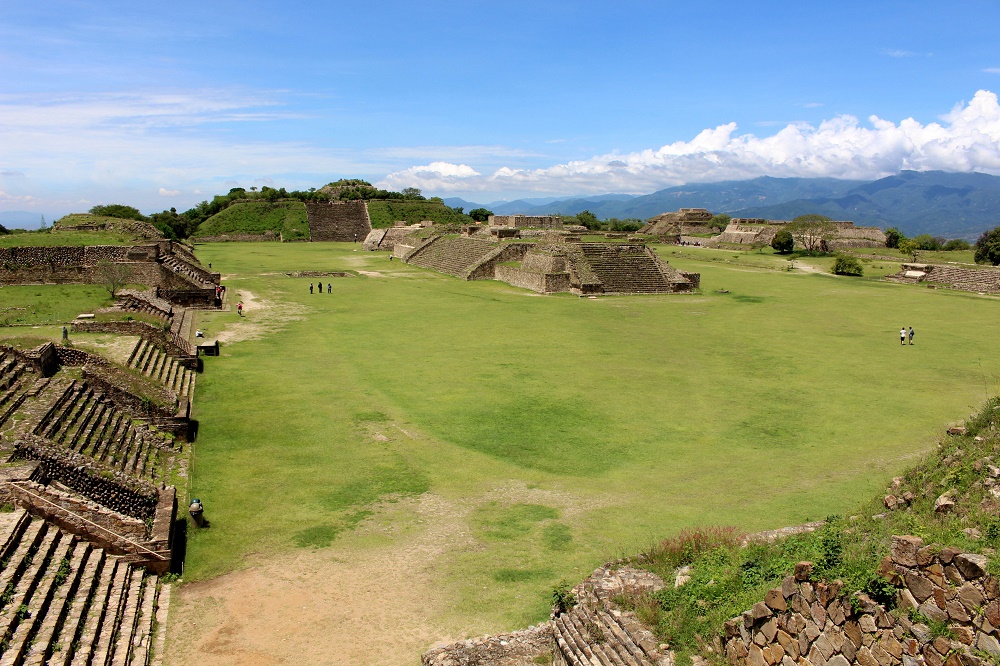
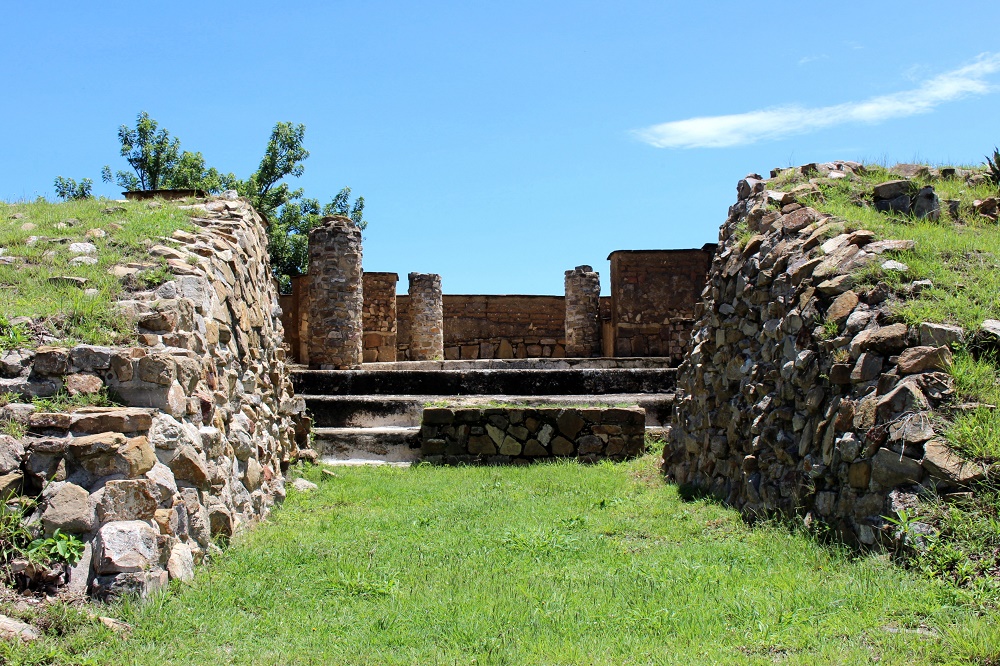
(Information according to the description at the entrance of the site) Monte Albán is one of the few archaeological sites in the world where the rise of the State as a system of government is clearly shown, led by the priestly class. The largest pre-Hispanic city in the region of Oaxaca, Monte Albán was occupied for over 13 centuries (500BC to 850 AD) before it was gradually abandoned, for reasons still unknown.
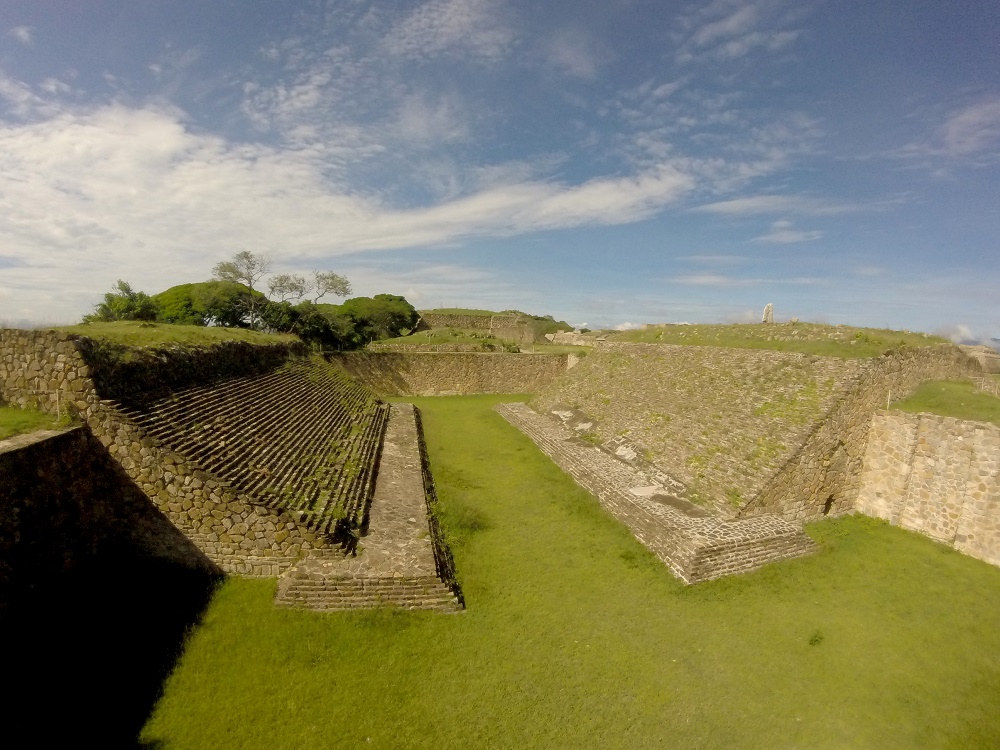 Ball court
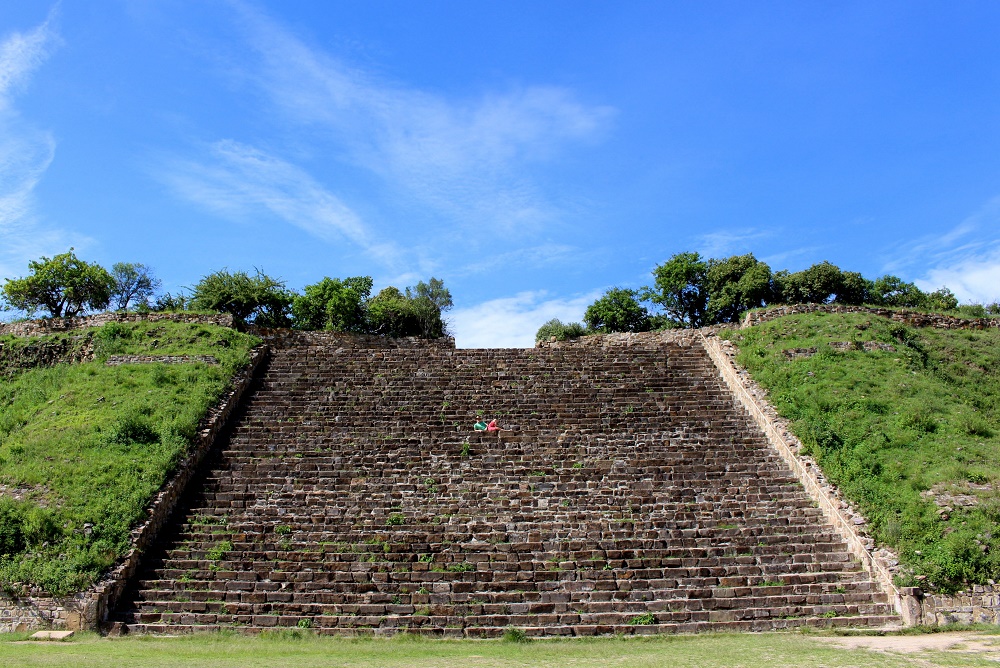 Julien immediately got comfortable.
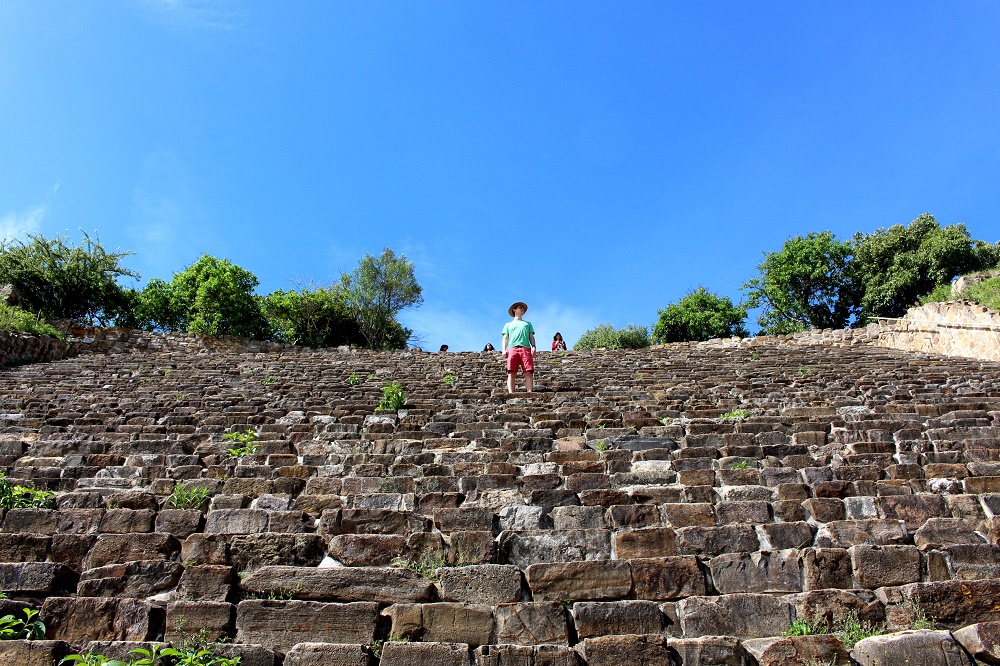 Julien with the ladies.
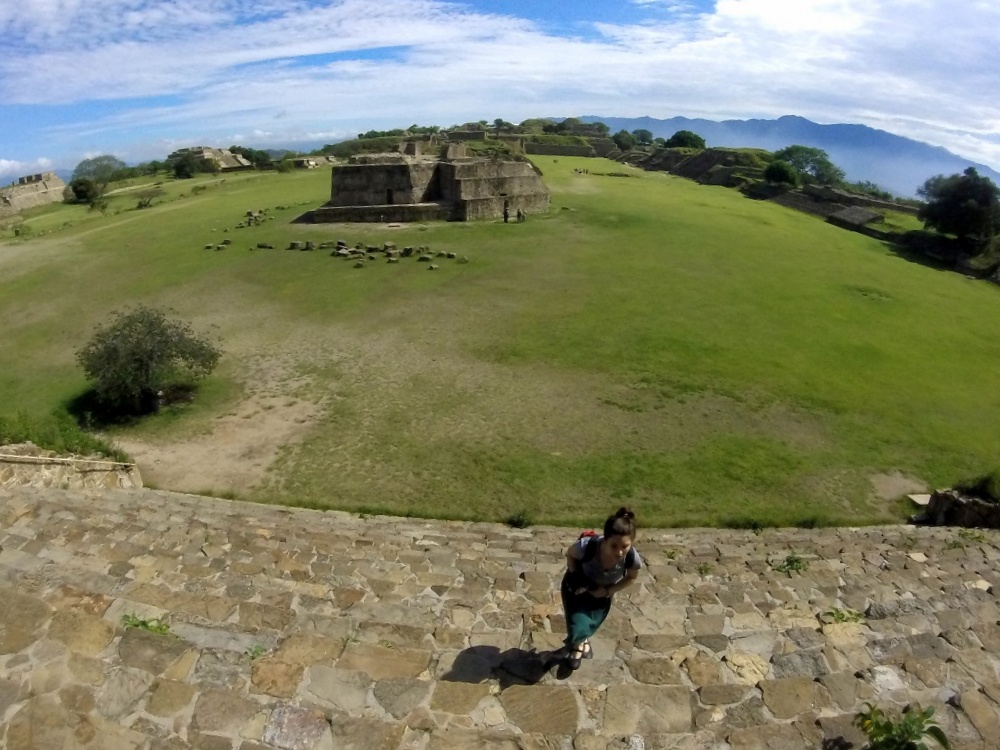
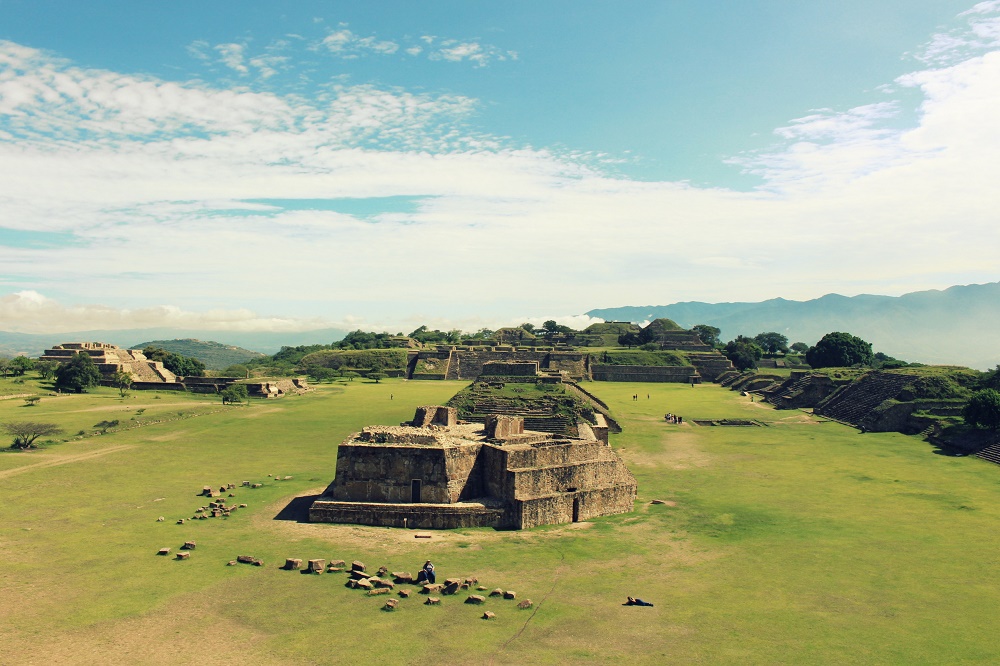 The main plaza with astronomical observatories.
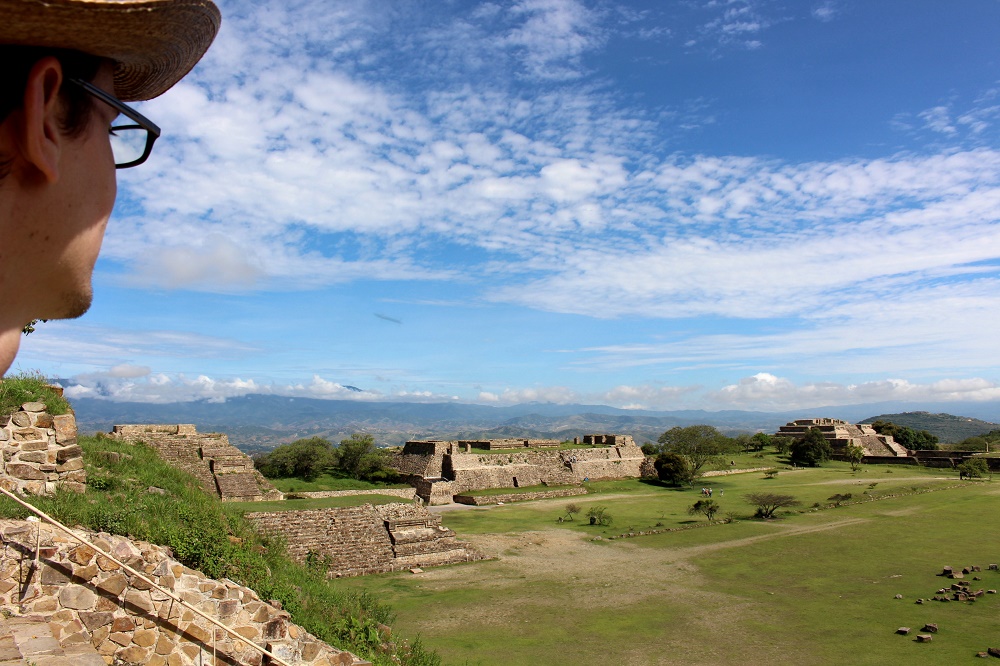
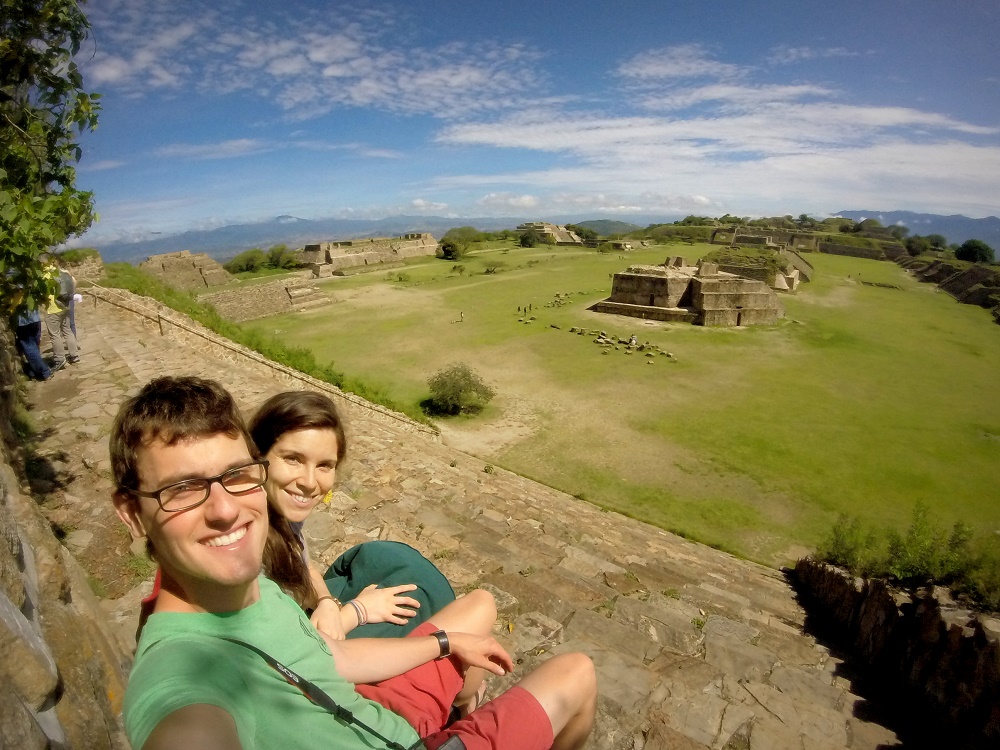


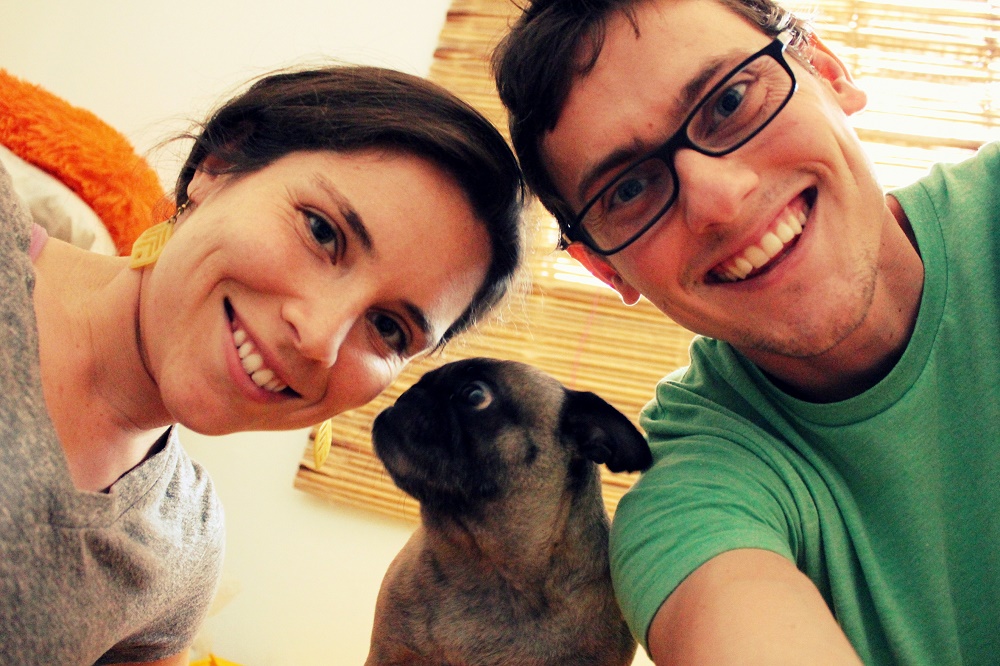 Back in Oaxaca with our Couch-surfing dog-friend, Ambar.
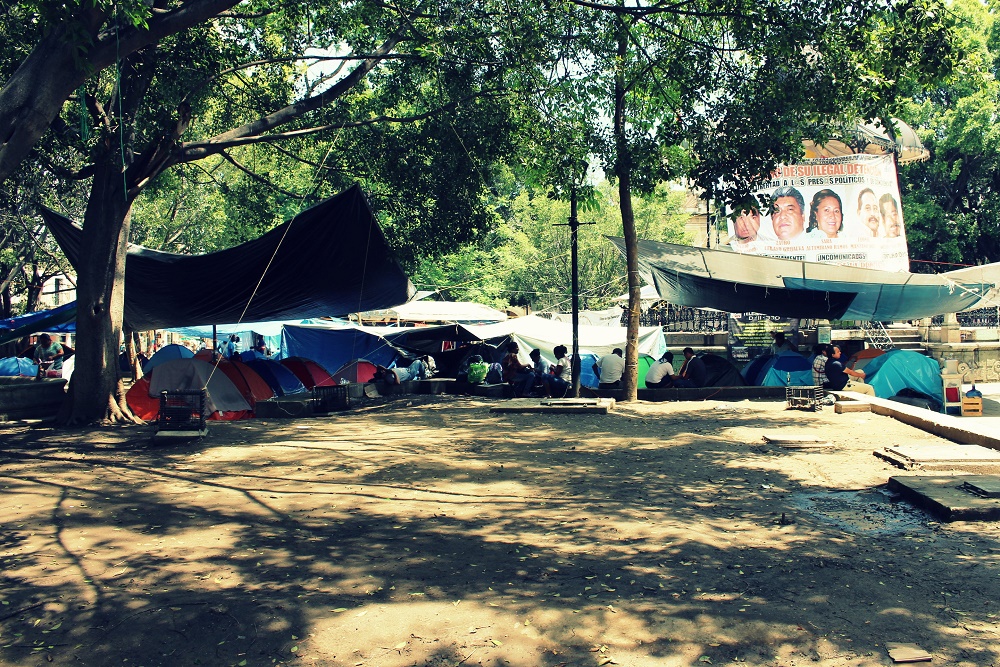 The ongoing teachers’ protest in Oaxaca’s zocalo (main plaza).
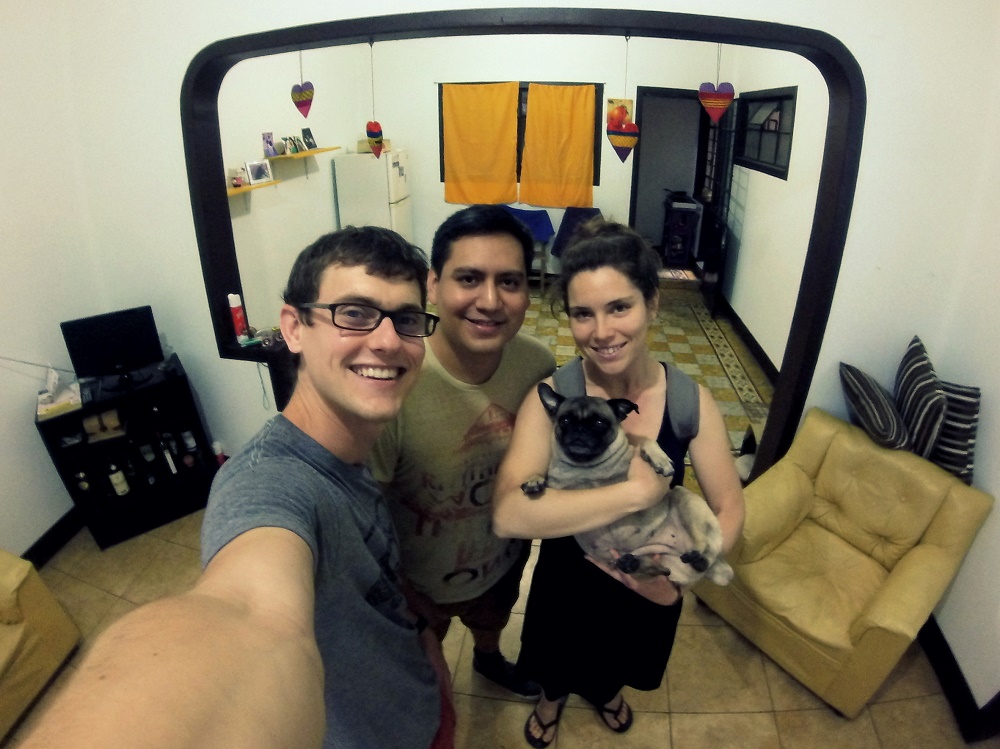 A big thank you to our couch-surfing host Miguel for his generosity and openness….and one last shot with Ambar before heading east to San Cristobal de las Casas!
 This Framerican Life
Comme d’habitude superbes photos! Les couleurs, les cadrages, les sujets. Mes préférées dans cette sélection, la danse de la jupe à Monte Albán, et bien sûr la pose de Chac Mool de Julien dans les marches du temple. Mention spéciale du jury pour celles de Hierve el Agua y la cascada petrificada.
LikeLiked by 1 person
Aw j’adore!
Very well explained.
The photo with the Santo Domingo church, that is actually the Cathedral 🙂
Espero disfruten el resto de su viaje.
Saludos!
Miguel
LikeLike