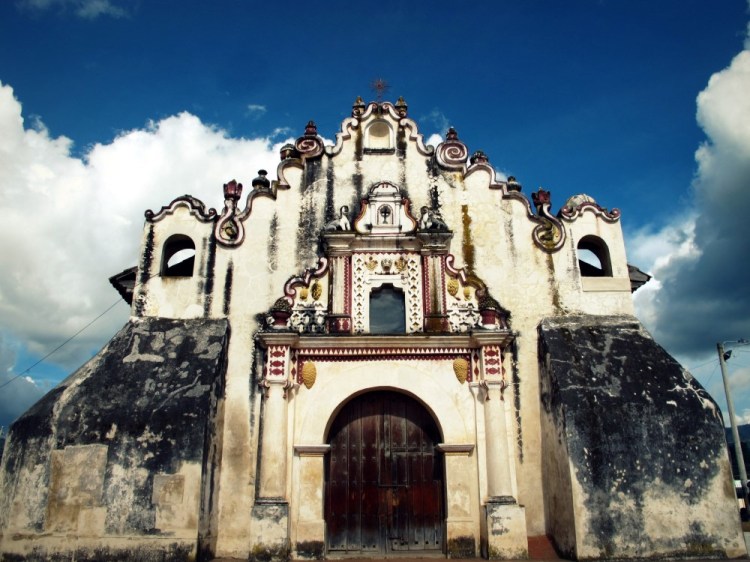
(Second week in Quetzaltenango) Pre Spanish conquest, Quetzaltenango was called “Xelajú” derived from the Mam “Xe laju’ noj,” meaning “under the ten mountains”, an aptly descriptive name for a city in a valley of hillsides and a volcano. The Spanish swept through in the 1520s, and renamed the city Quetzaltenango, “land of the quetzal bird”, a name derived from the Mexican indigenous Tlaxcaltecas who accompanied the Spanish during their invasion of the Guatemalan highlands. Today indigenous and ladinos alike call the city Xelajú or even just Xela in deference to their ancestors. There are no longer quetzales in town, but there are certainly rolling hillsides all around.
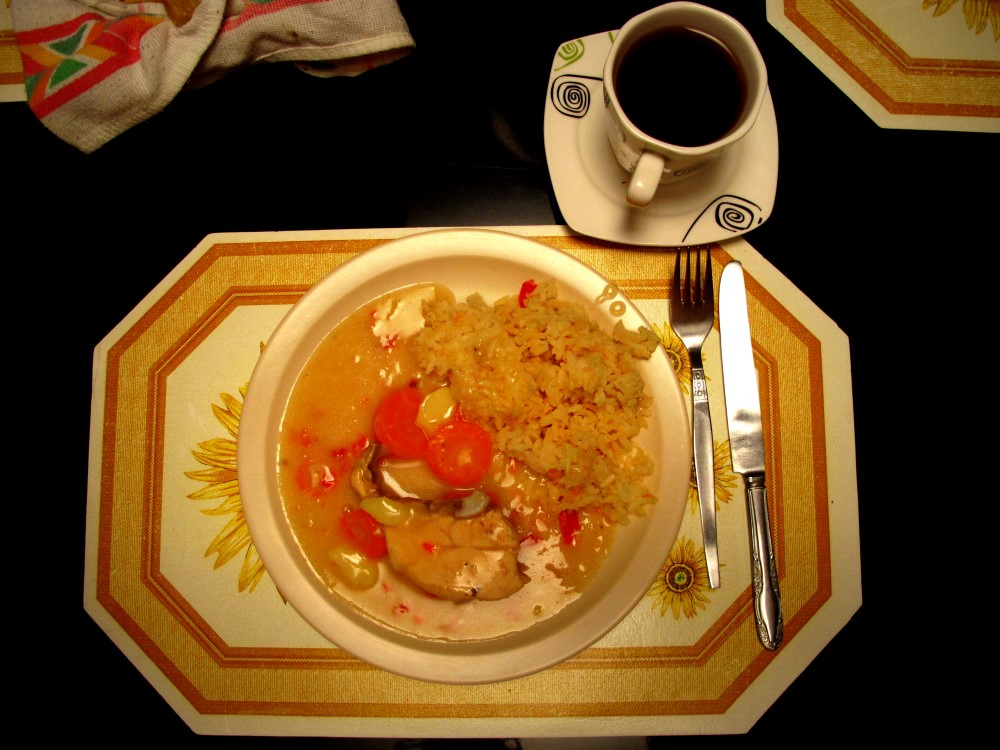 Week two in Quetzaltenango, and still eating! Chicken with rice
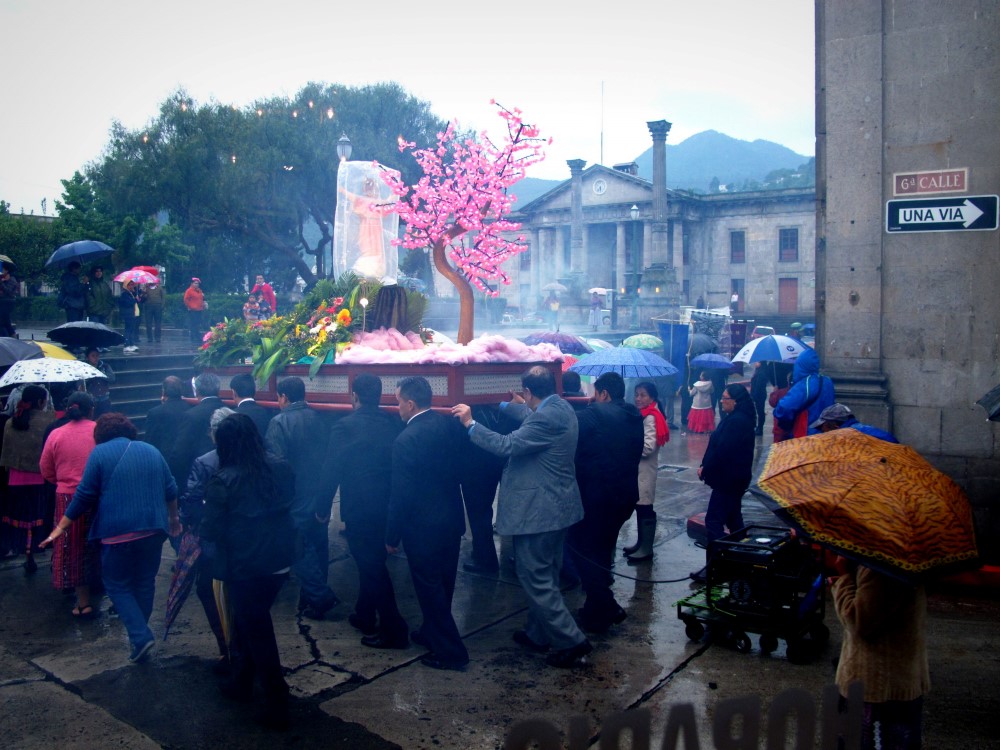 We had seen the florescent pink tree on the back of a pick-up earlier in the day and were impressed by such a vibrant-looking tree; not realizing it was fake. There was a procession that involved this float, a band, and excessively loud fire-crackers (near firework power). Julien was especially tickled by the baby-saint in his rain poncho to protect from the rainy-season afternoon showers.
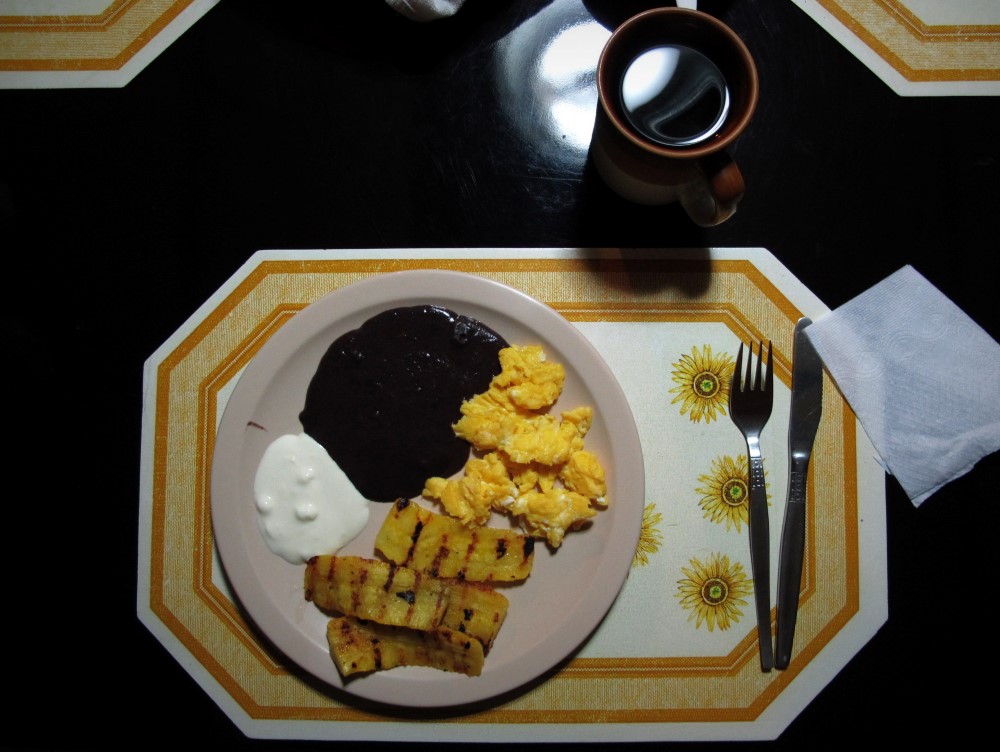 Typical breakfast, typical dinner
 Cornflakes breakfast with a cookie (champurrada) topped with cream cheese. Apple syrup available for extra topping
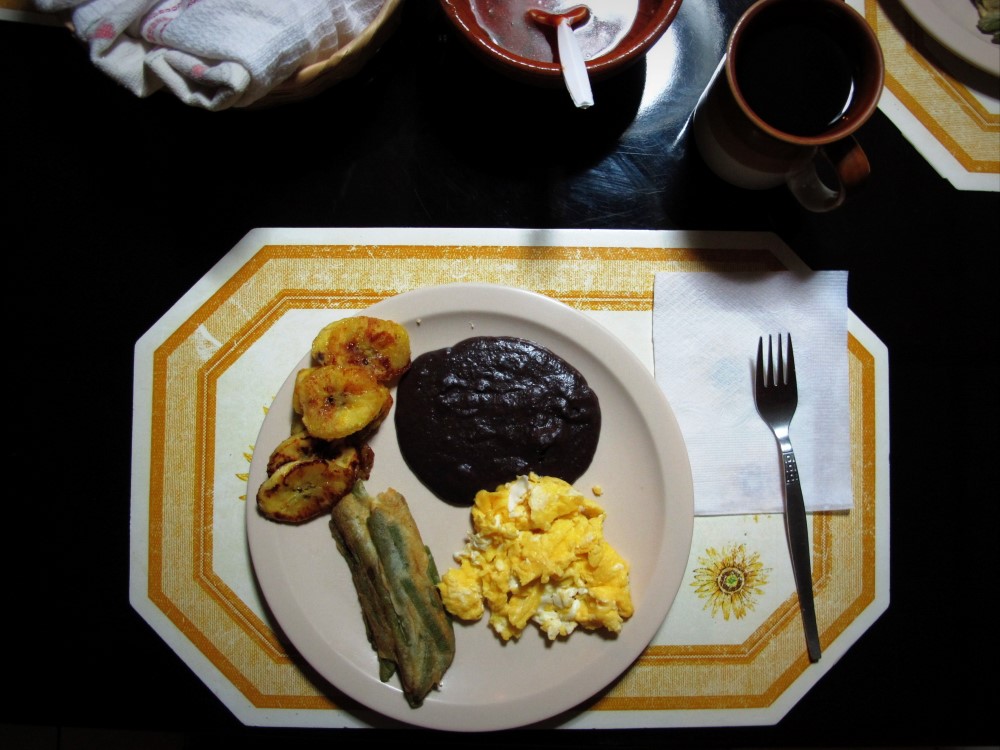 Dinner; though sometimes quite simple and repetitive from breakfast, our host-mother Christy always had delicious home-made salsas available for spicing up dinner, usually a spicy one for me and a not-spicy one for Julien.
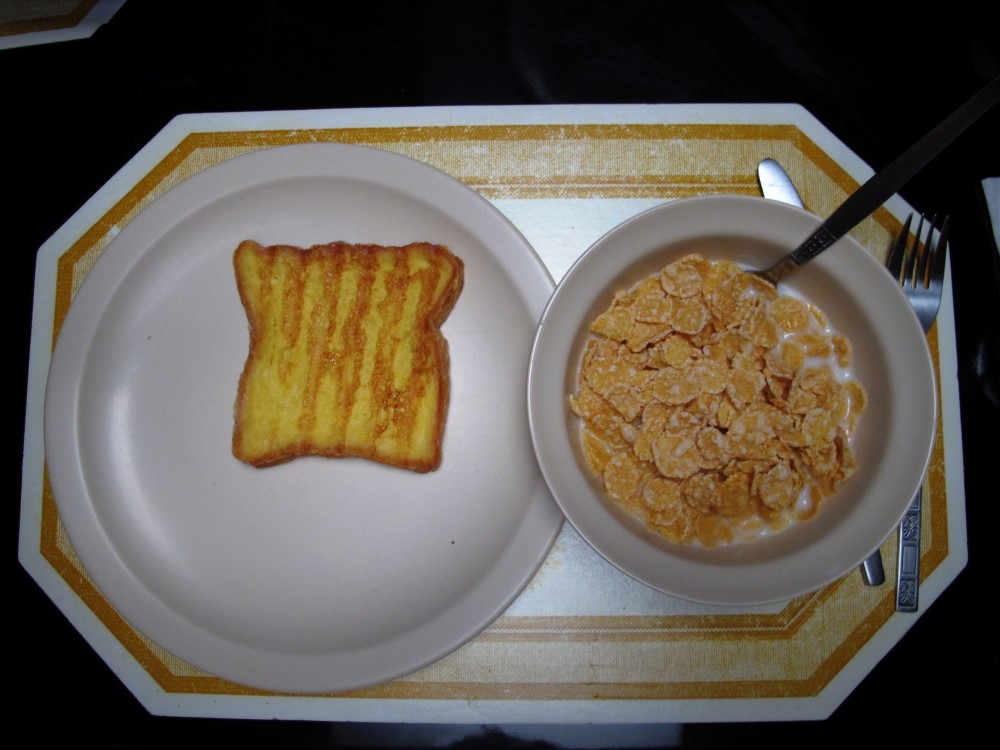 Cornflakes and French toast, always perfectly grilled
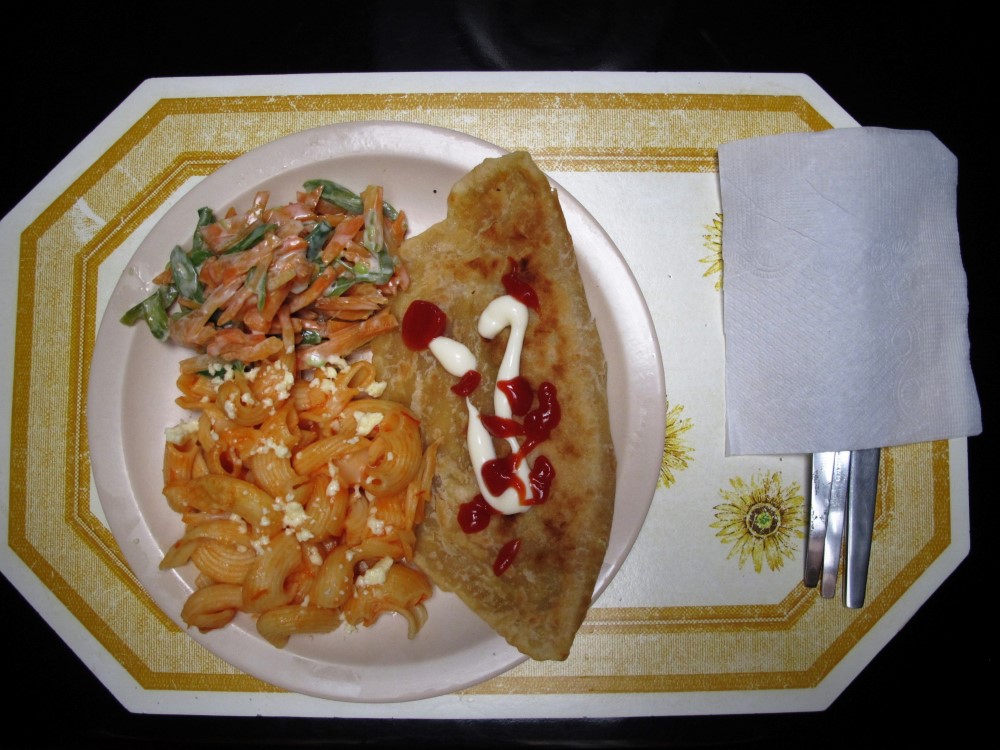 Pasta, Argentinian empanada, and julienned vegetables with mayo
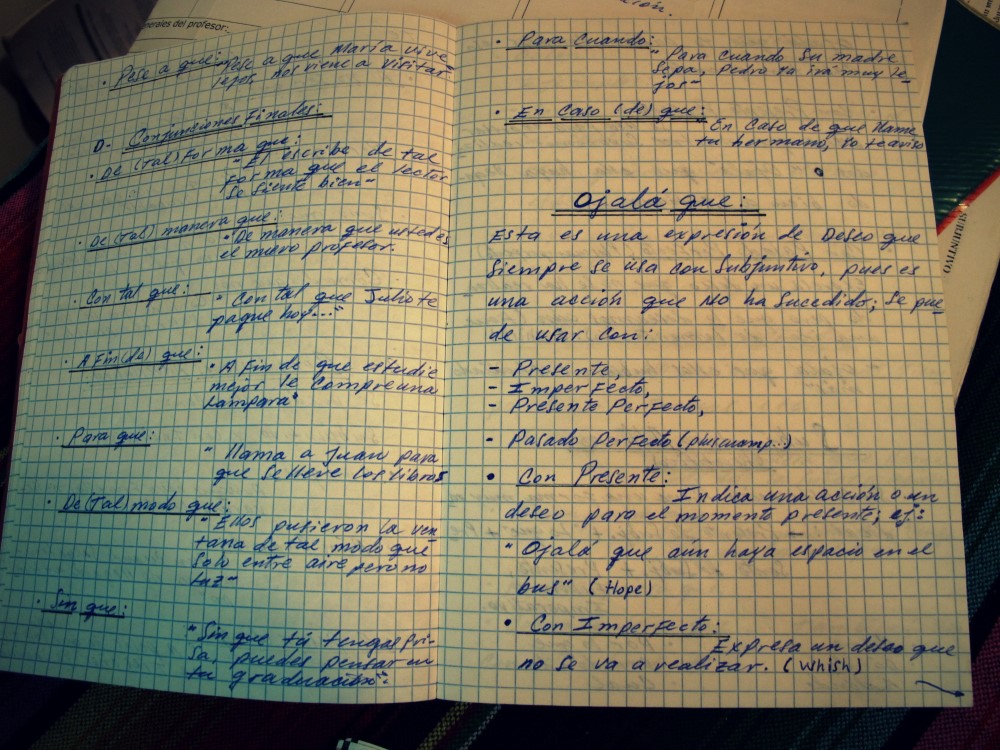 Photos of notes to copy notes
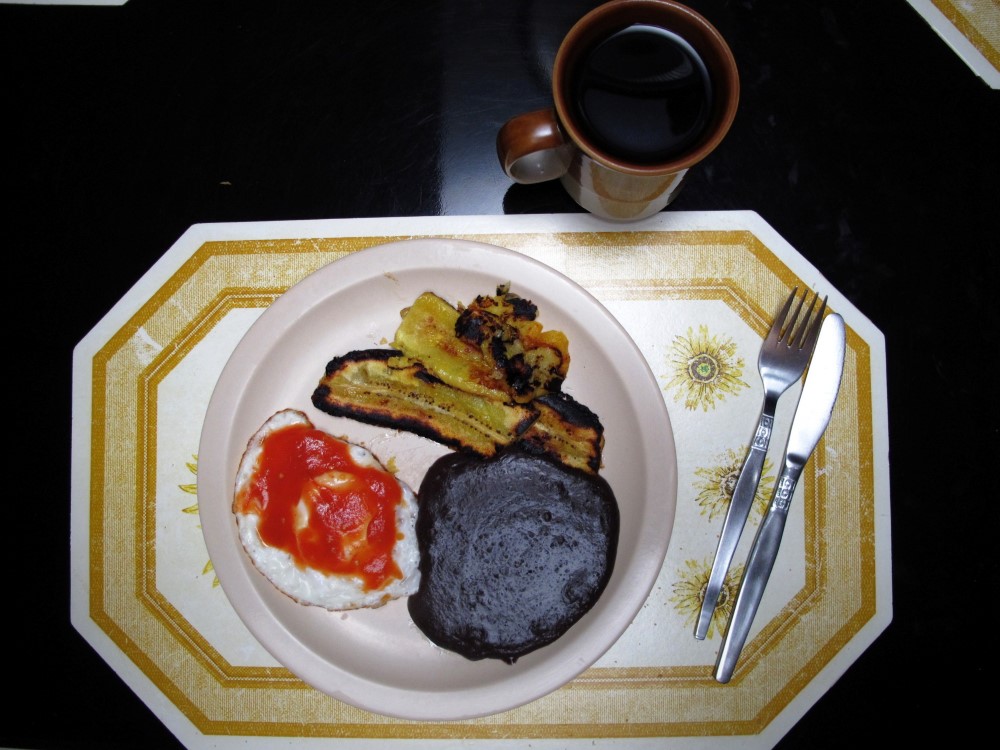 Plátanos, frijoles, and egg with salsa
 Potatoes, red-pepper salad, and beef
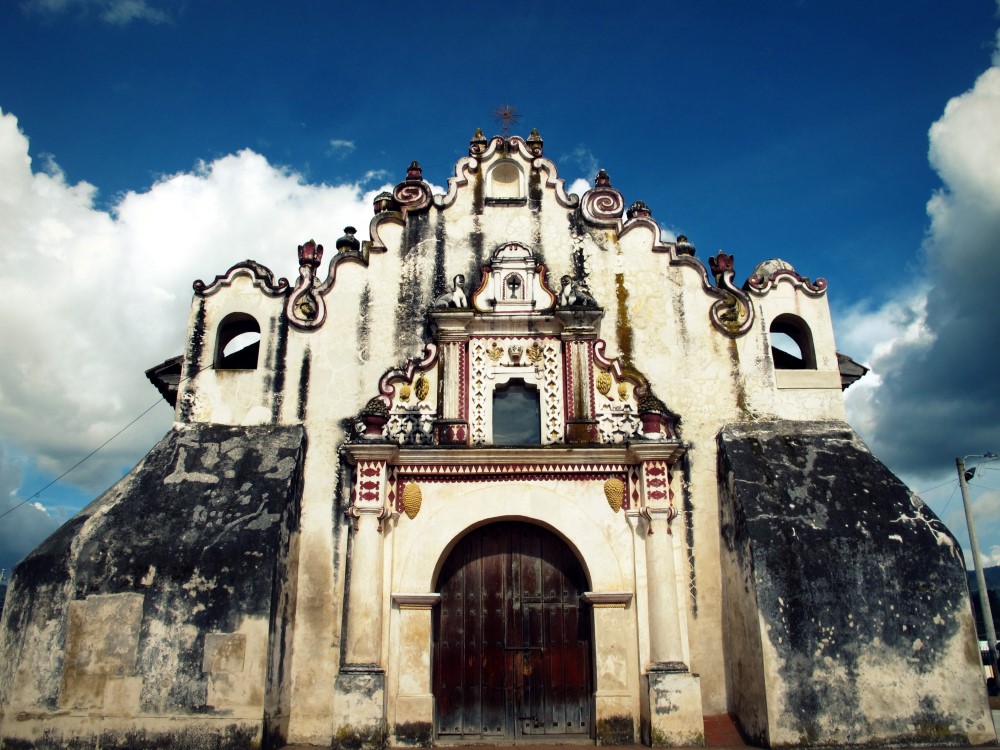 We went on an afternoon school field trip to visit the oldest church in Central America located in Salcajá. It was built in 1524 in a bit of a rush, and the flying buttresses where added later in the form of clunky stone supports on the four corners.
 Quetzal-shaped bush!
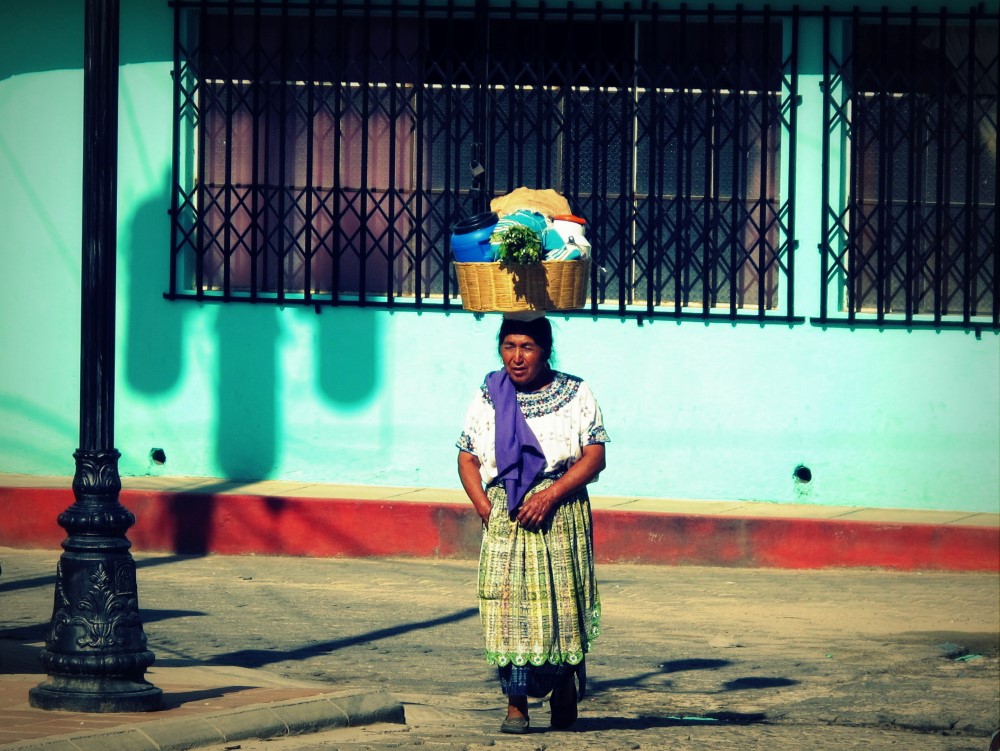 It’s always amazing to see the ease with which these women move about large baskets filled with food, textiles, or any number of random objects, balanced seemingly precariously on their heads.
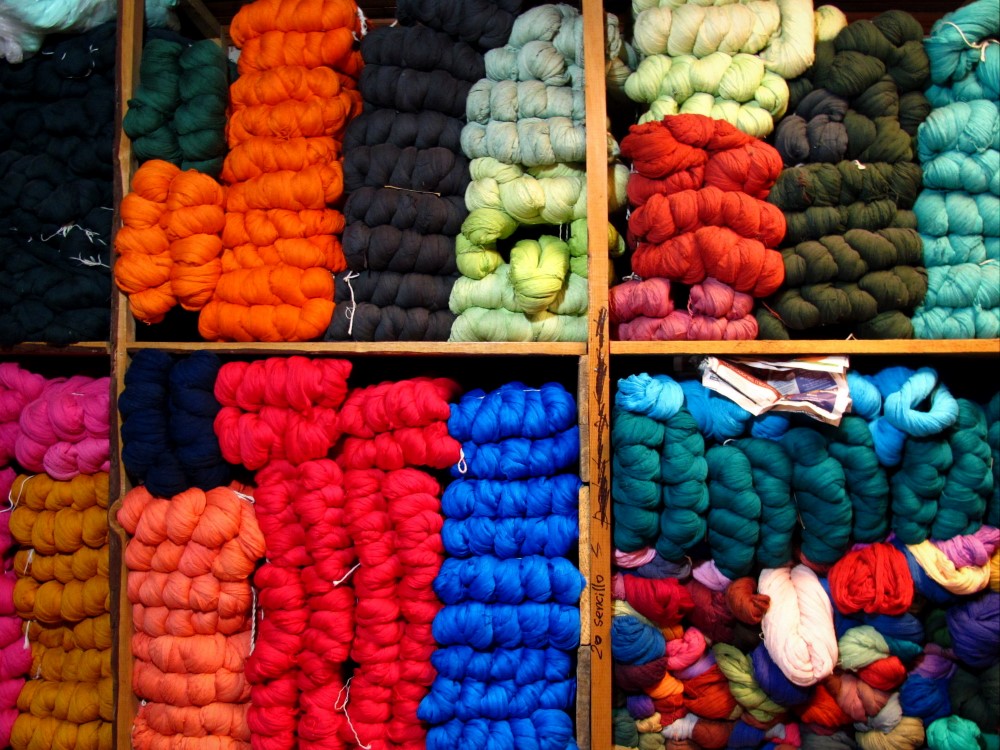
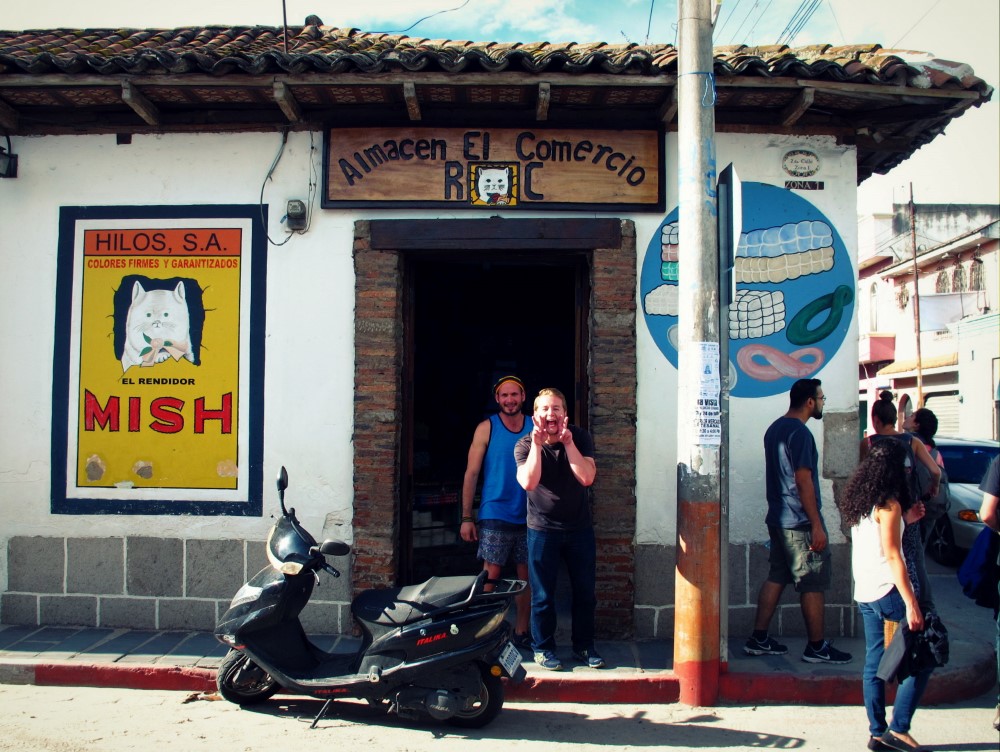 MISH, one of the largest thread producers, necessary for textile weaving. Our friends Alex and Anthony coming out of the store
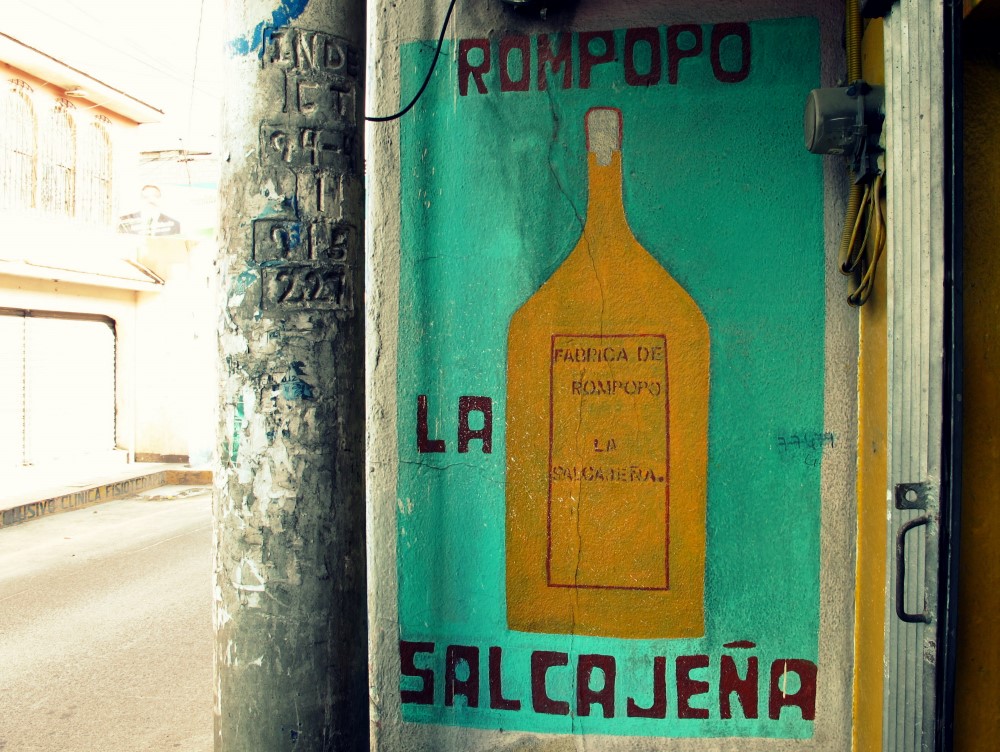 Rompopo, a liquor made with an egg base
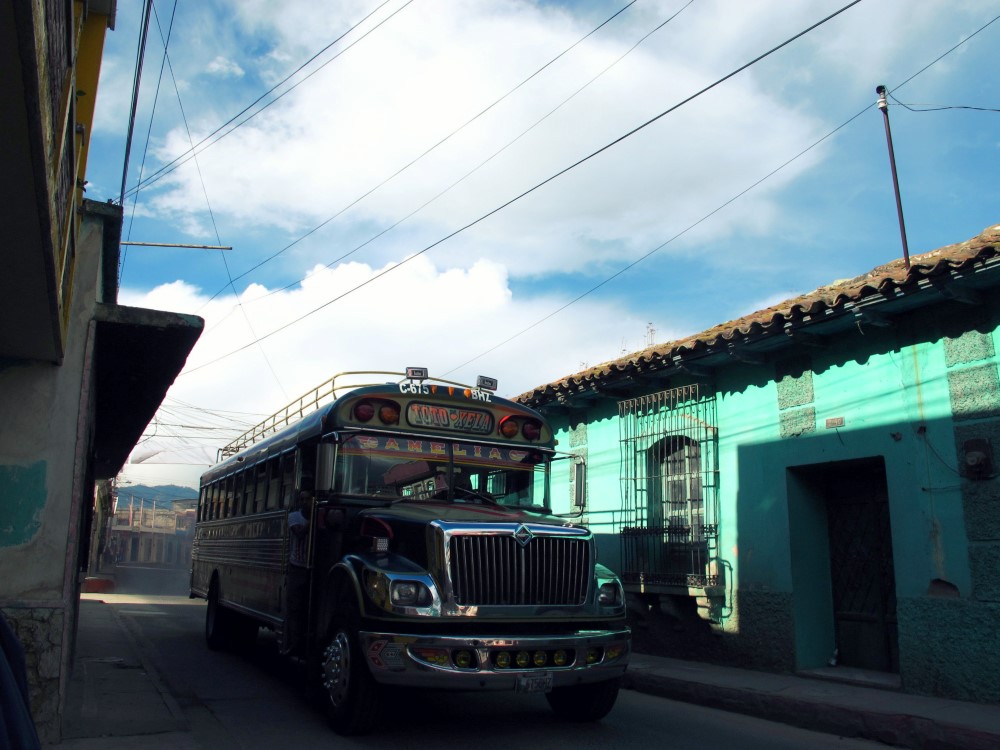 Chicken bus rolling through Salcajá
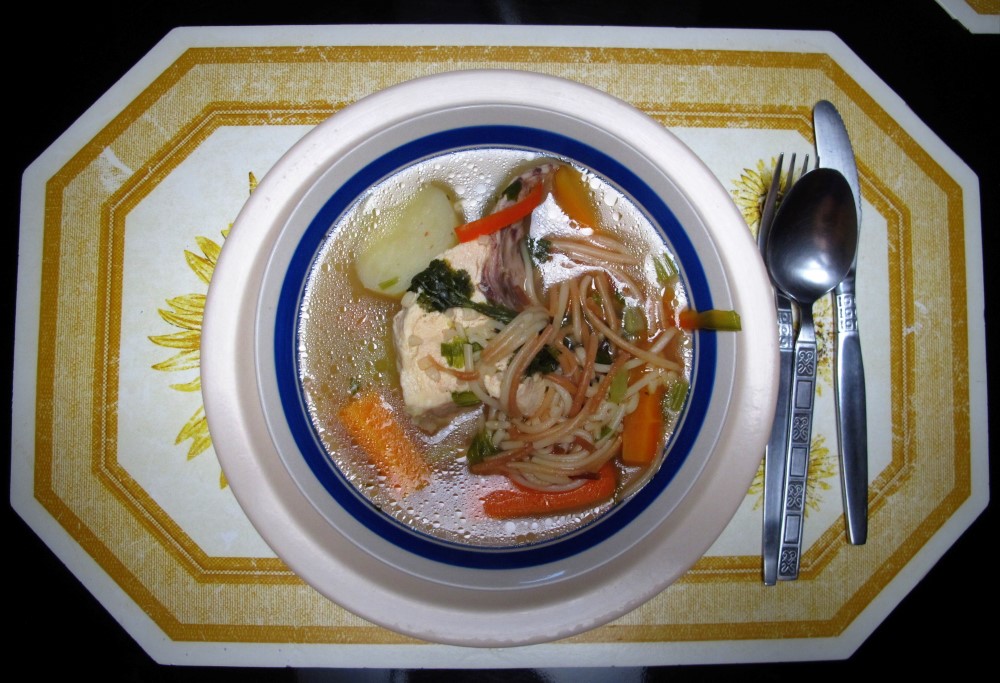 Soup with noodles, a large piece of chicken, and a variety of veggies
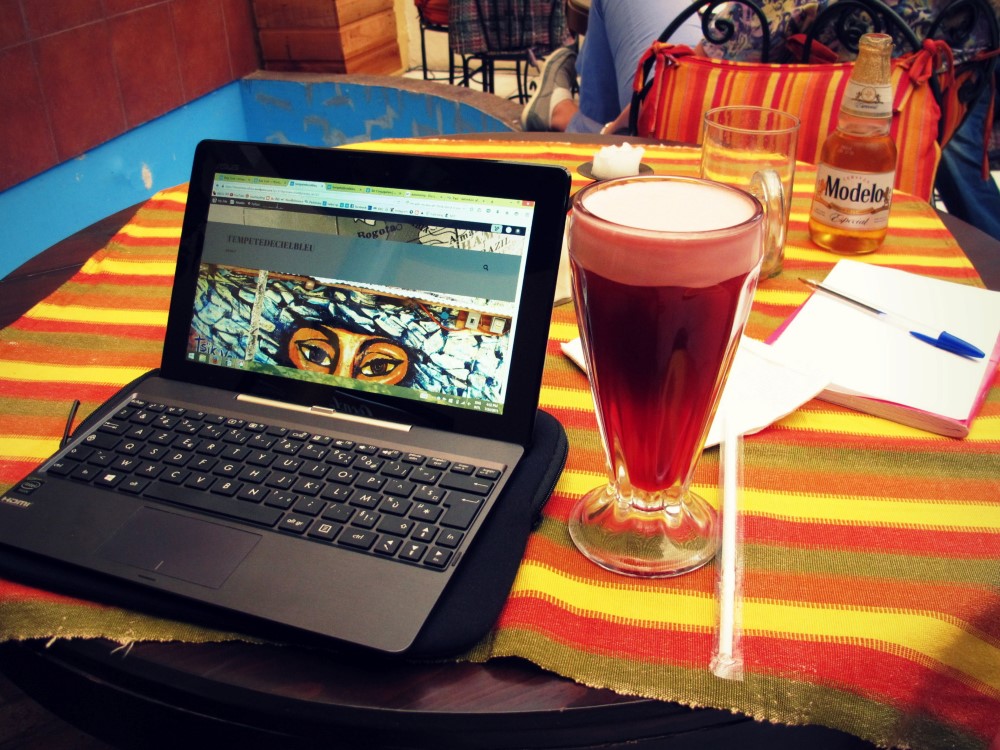 Blogging and homework…and happy-hour
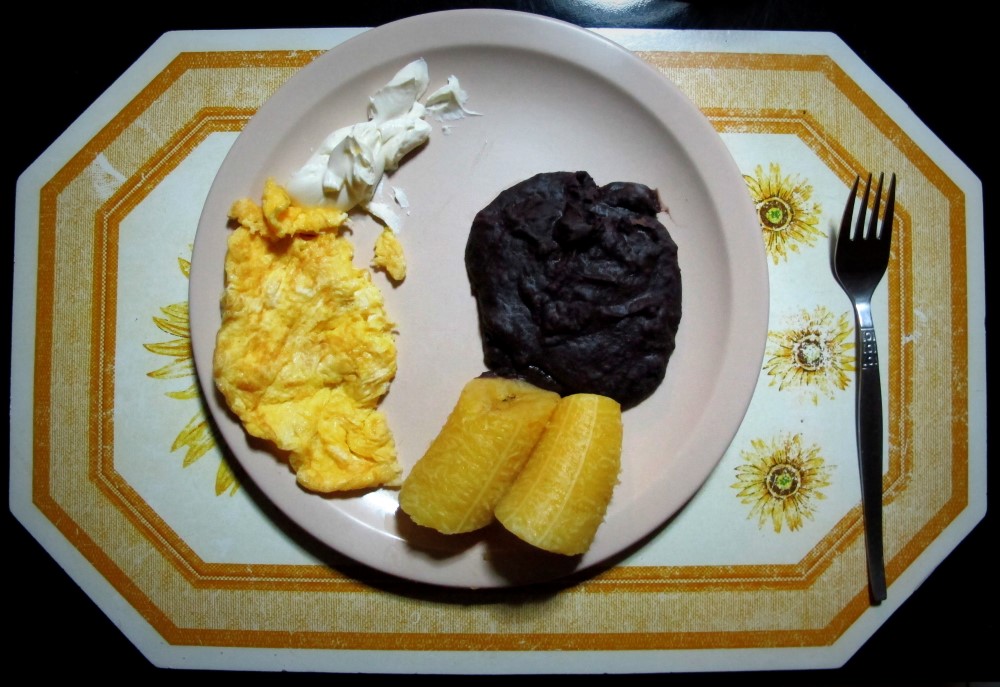 Plátanos, frijoles, eggs, and pure cream.
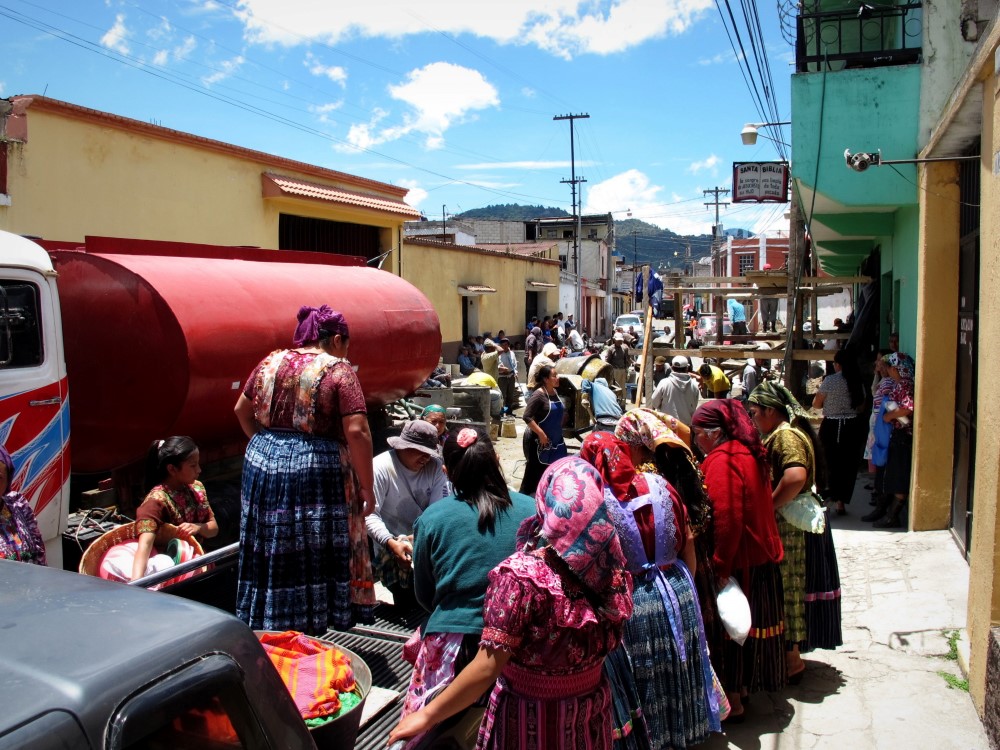 One Saturday we left the house for a morning walk and found an incredible team building up an additional floor onto the Evangelical church next door. At this point the ladies had come to bring the workers lunch, workers that had been at it since 5am.
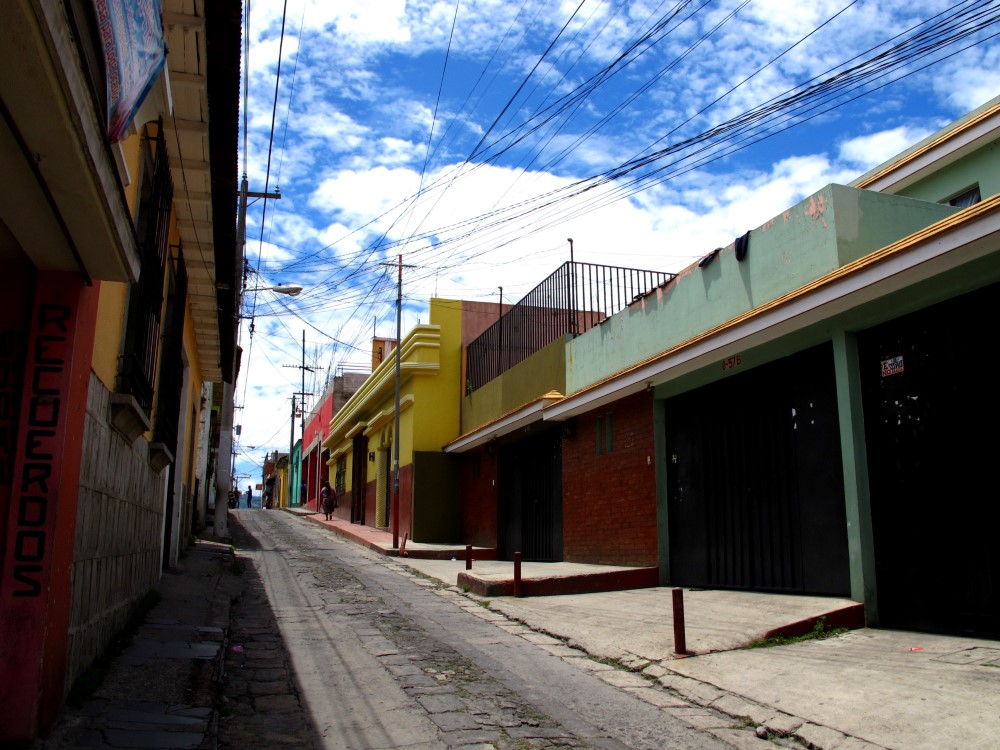
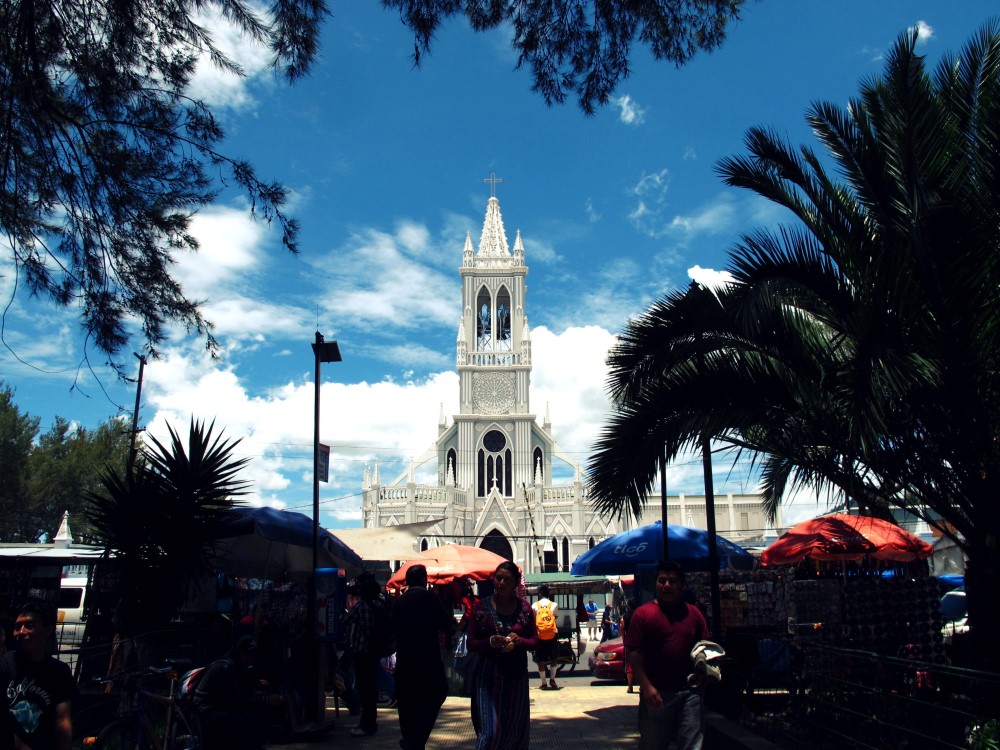 We walked to the northern end of Xela in search of flip flops and got to see a bit more of the city we were calling home.

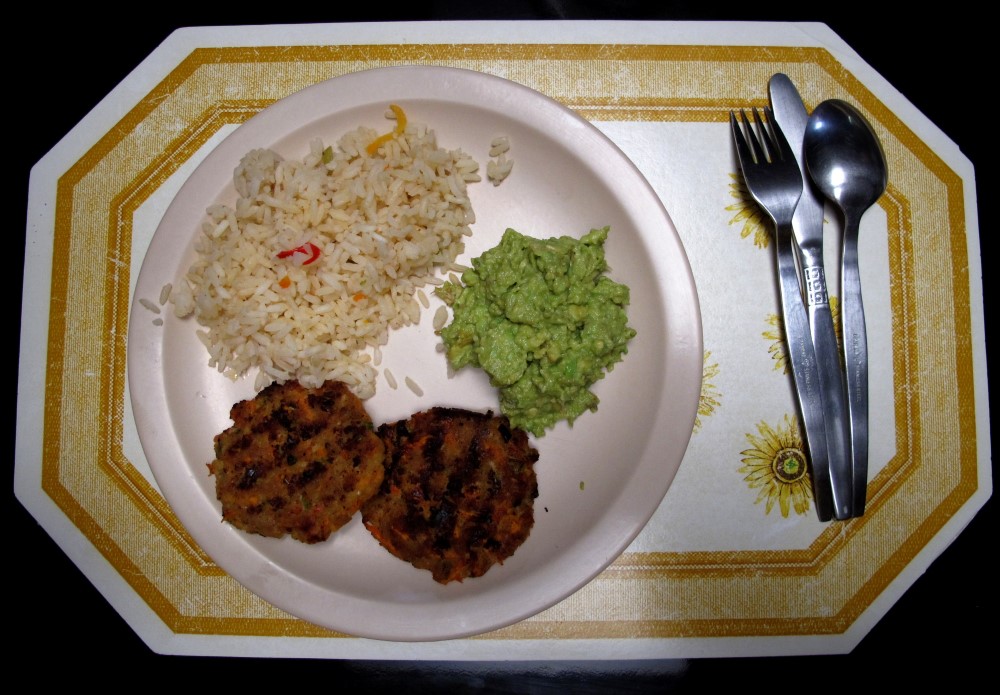 Rice, guacamole, and veggie-beef patties
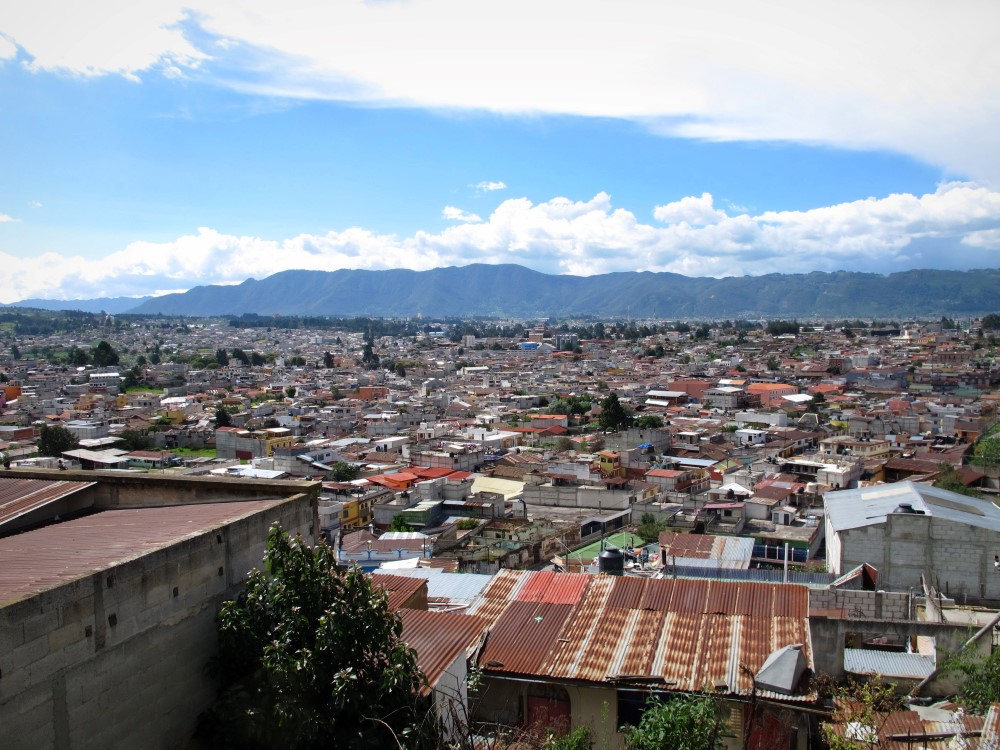 Xela from the CRISTO VIVE church perched on the hillside
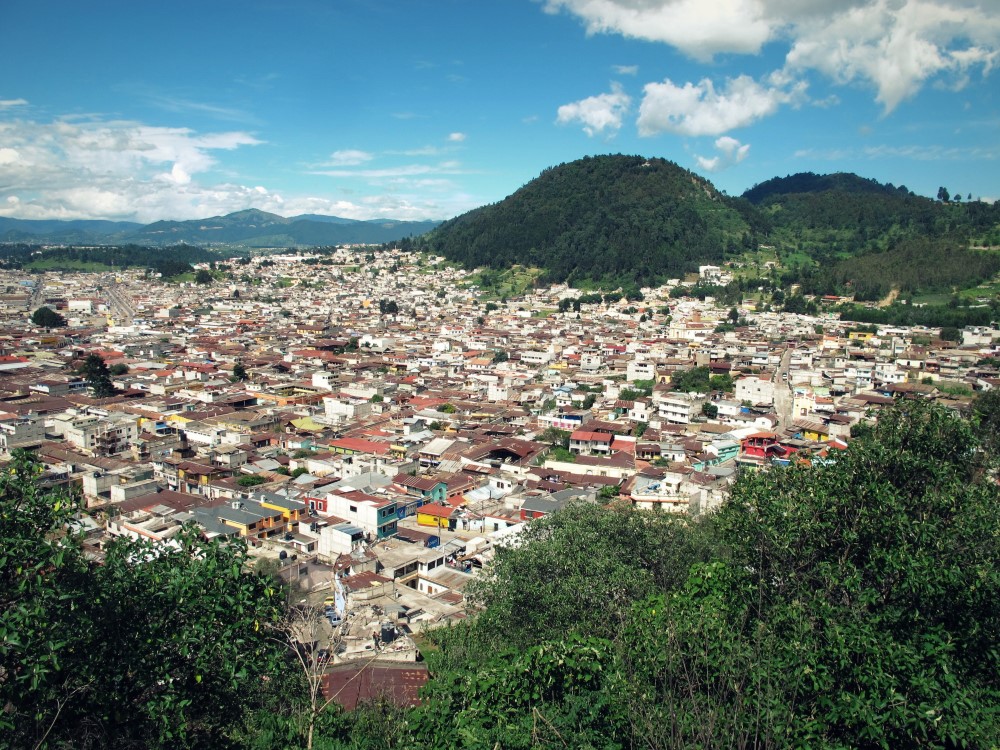 The green hillside to the right is called el baúl, or trunk for its shape like a chest.
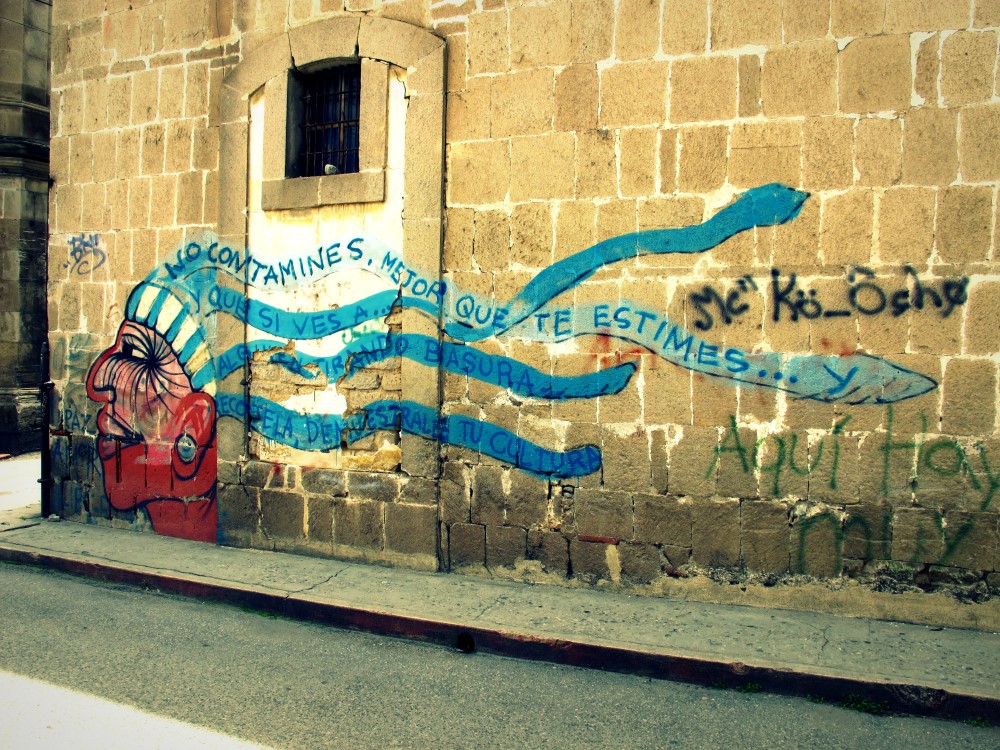
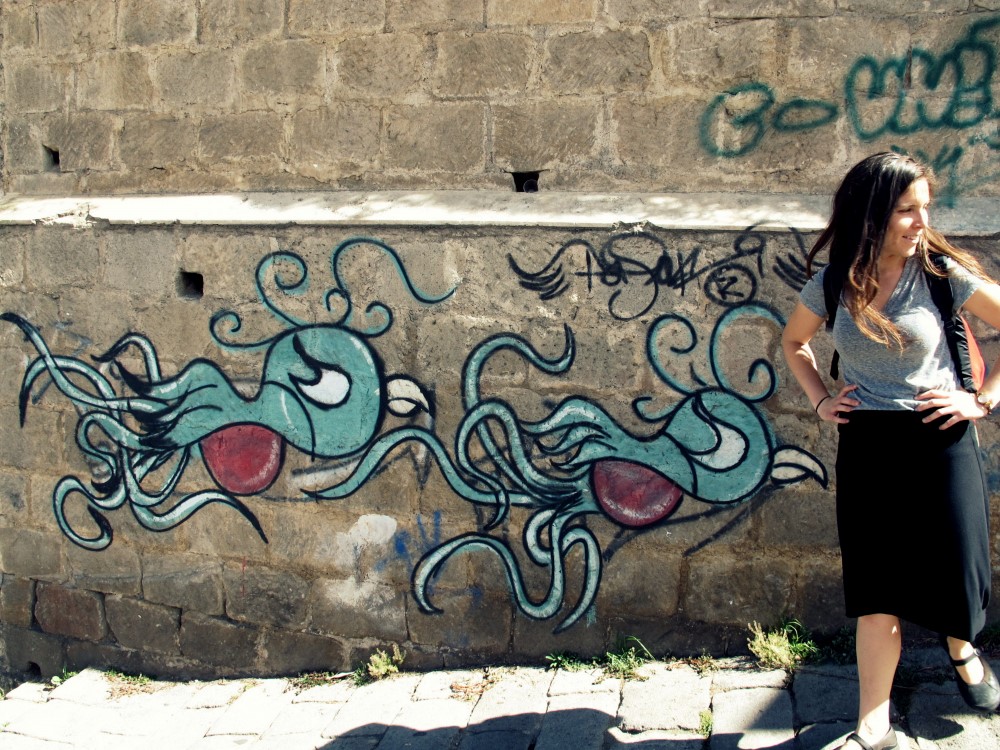 Graffiti quetzales
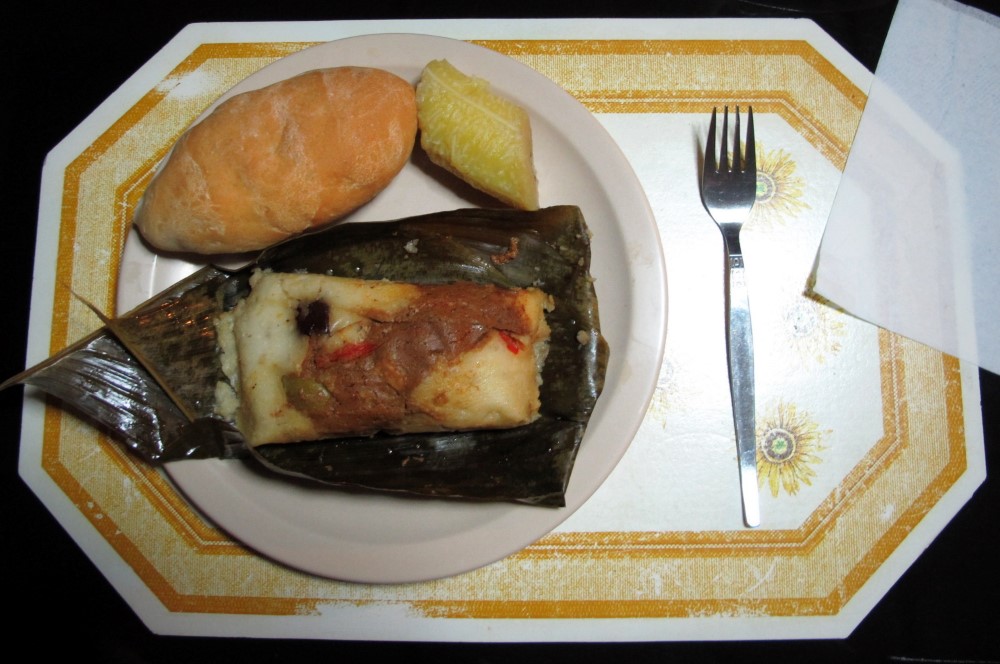 Tamál, bread, and plátano
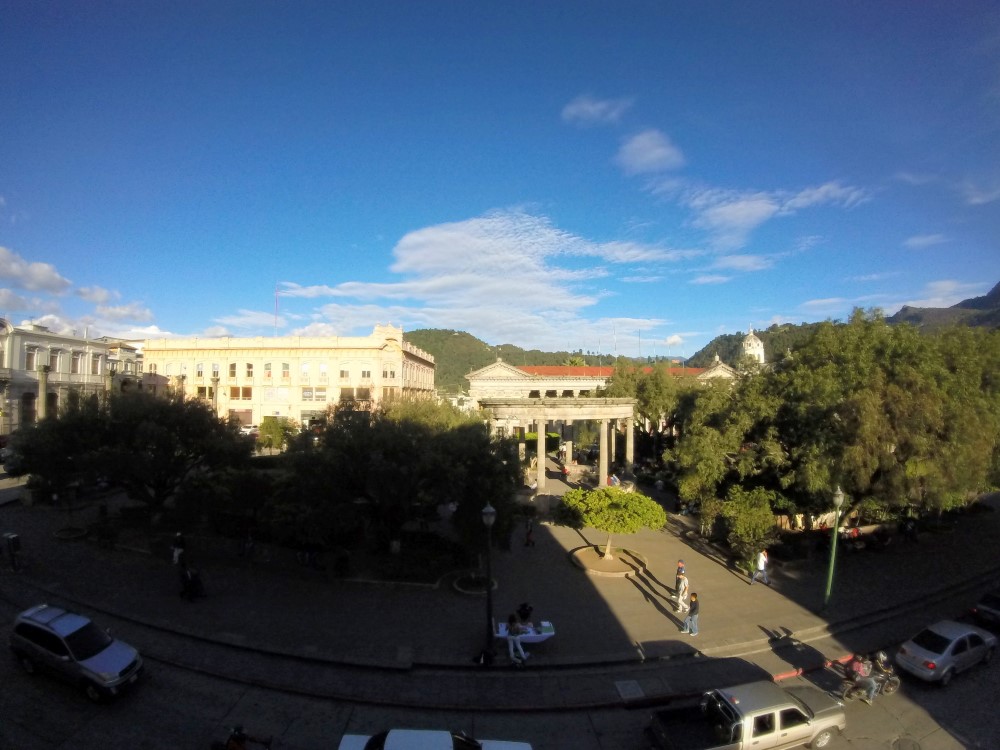 The parque central from a terrace bar
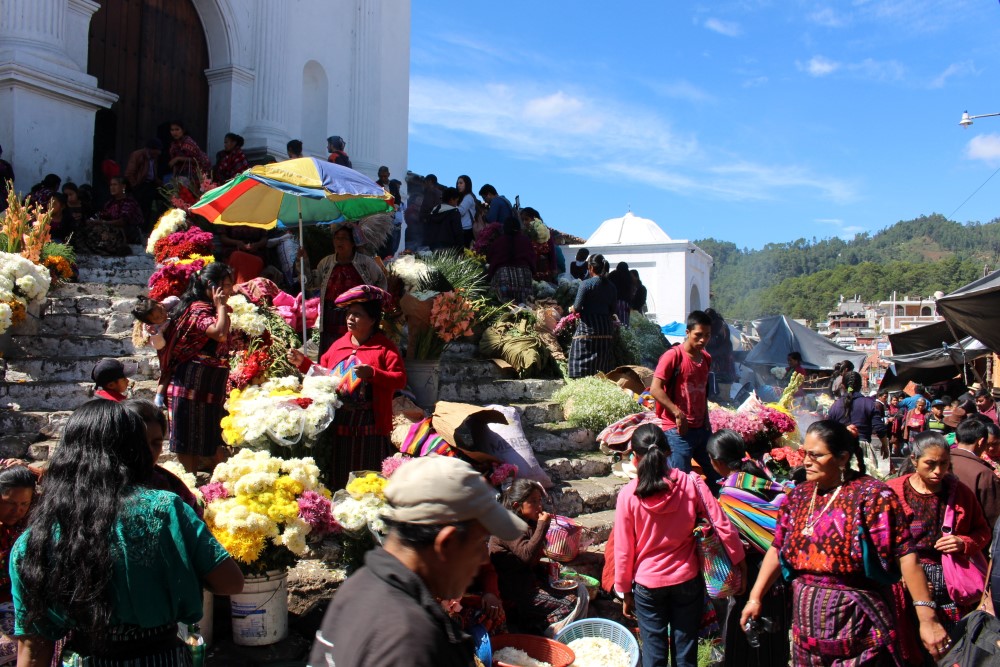
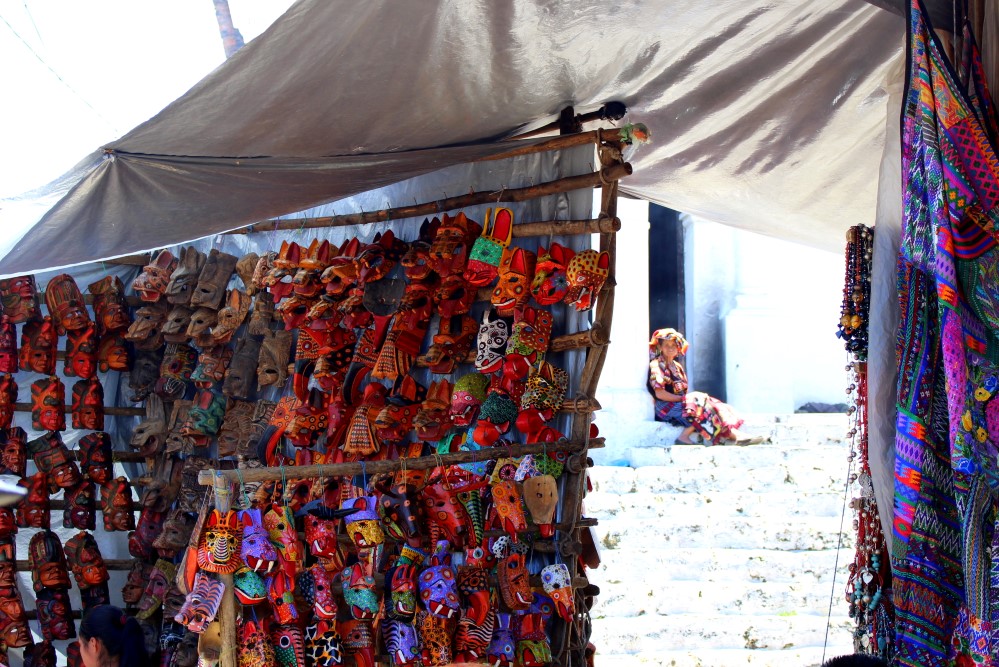
Our second weekend we headed to Chichicastenango best known for its twice-weekly markets, and deservedly so. We went on a Sunday and enjoyed the vibrant colors, endless textile stalls, and bargaining spirit.
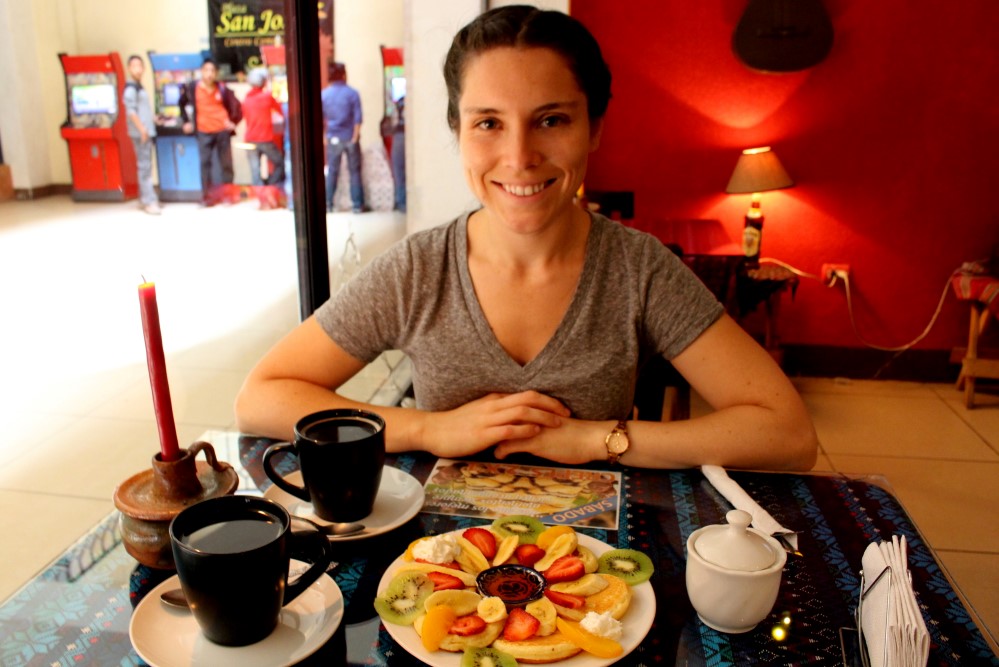 Breakfast of pancakes with fruits. Fuel for shopping!
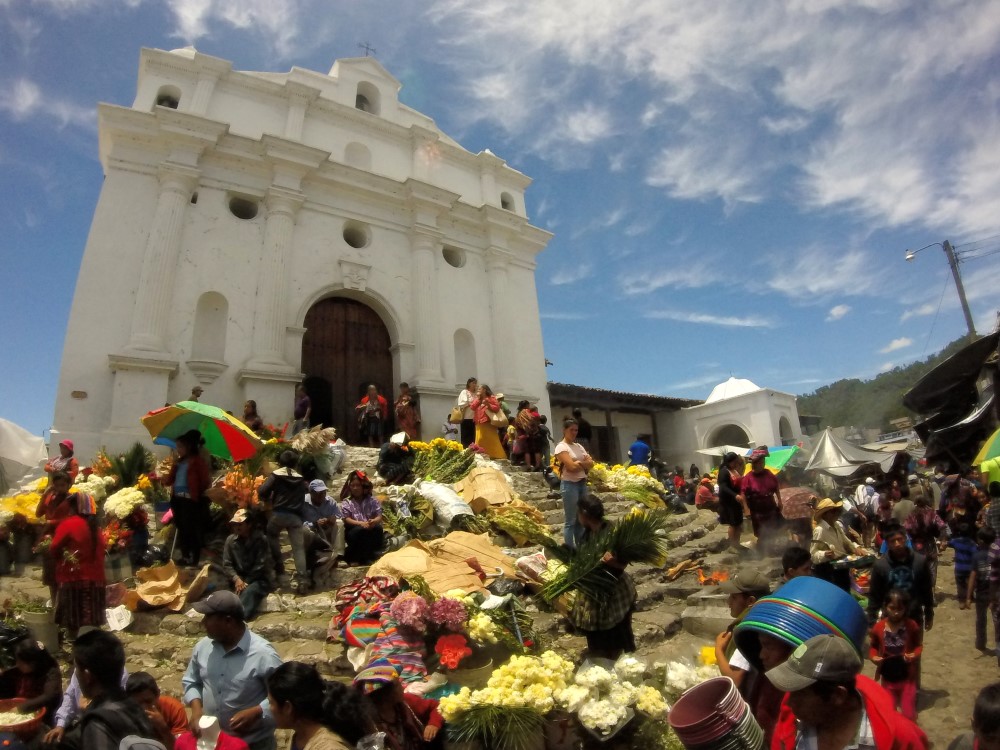
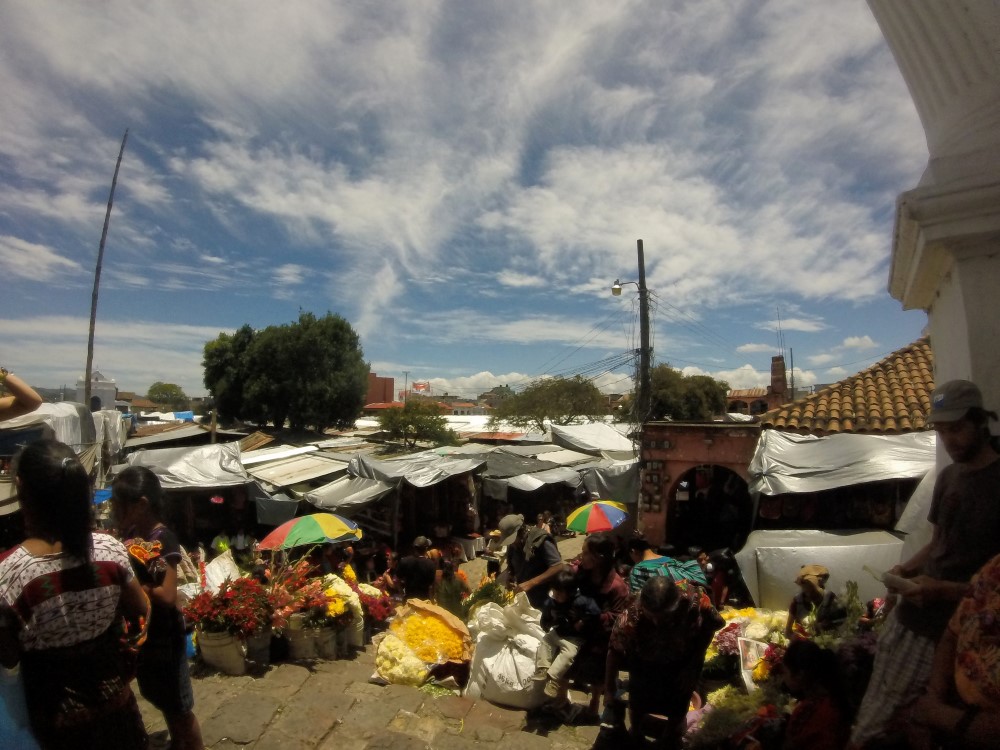
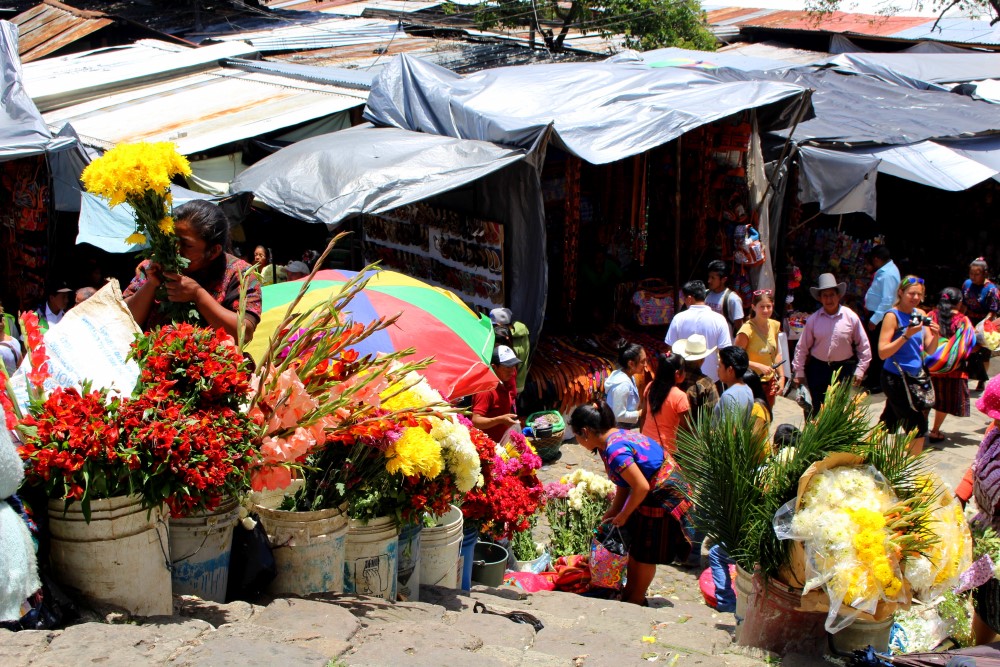
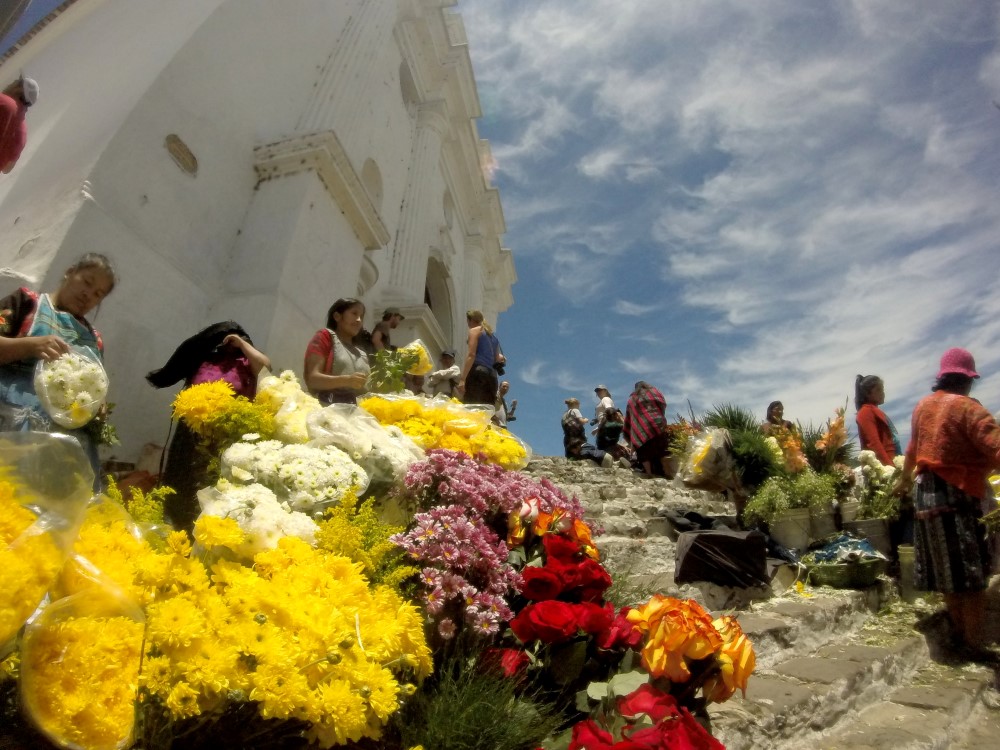 Flower section
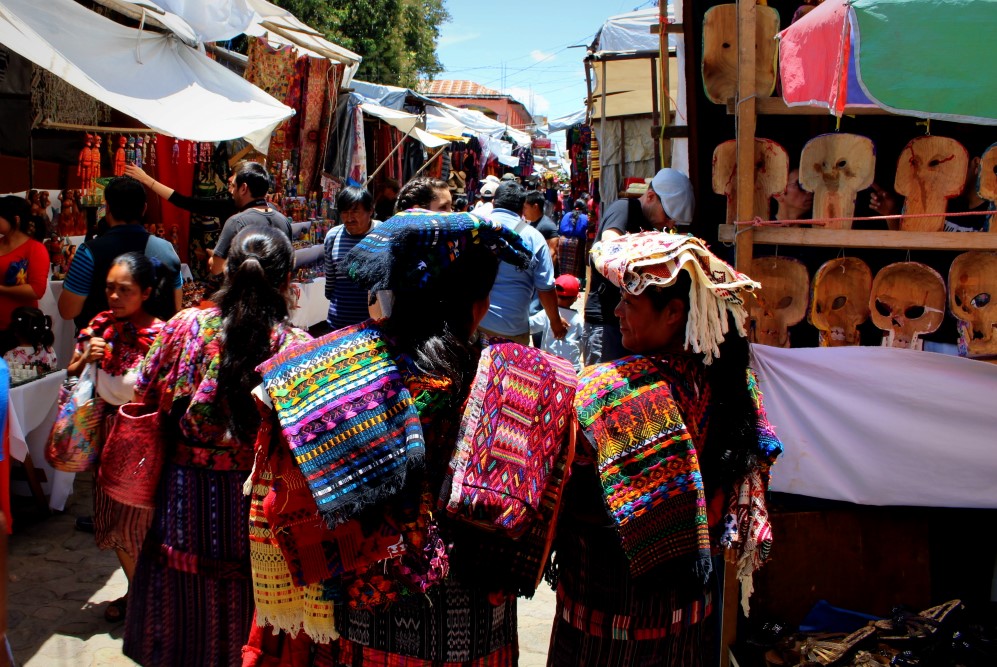
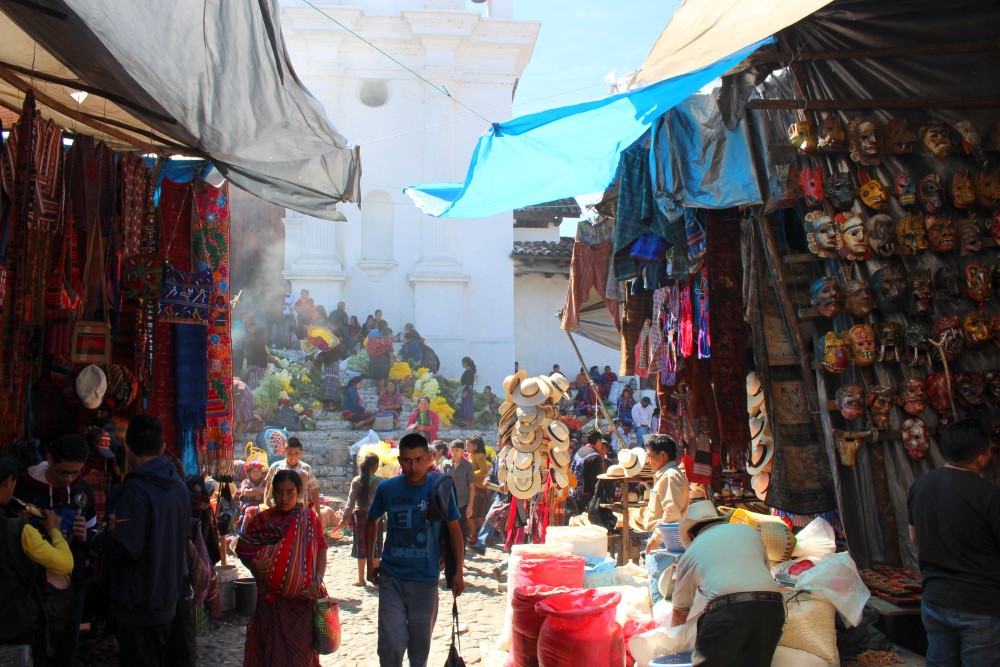 Masks, purses, hats
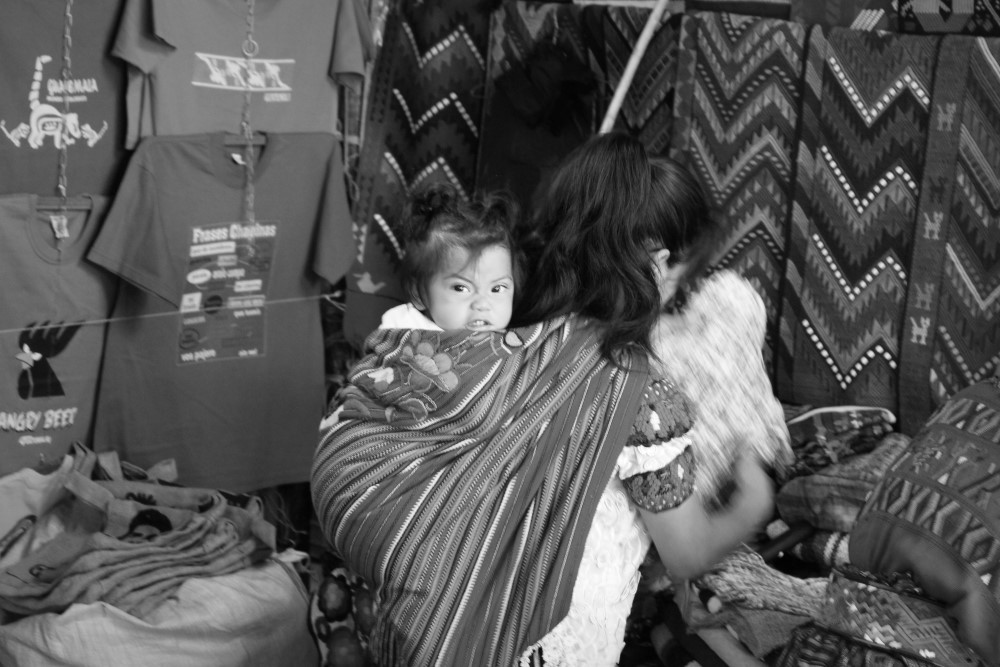 Fiesty babies
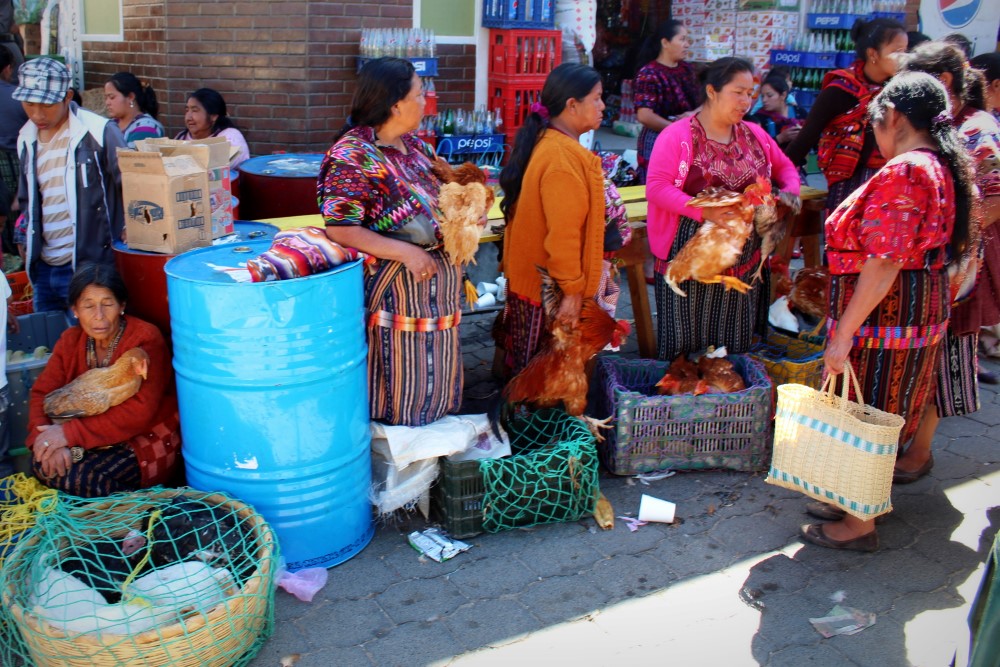 The poultry section. The lady at the bottom left, sleeping along with her beloved chicken, is my favorite.
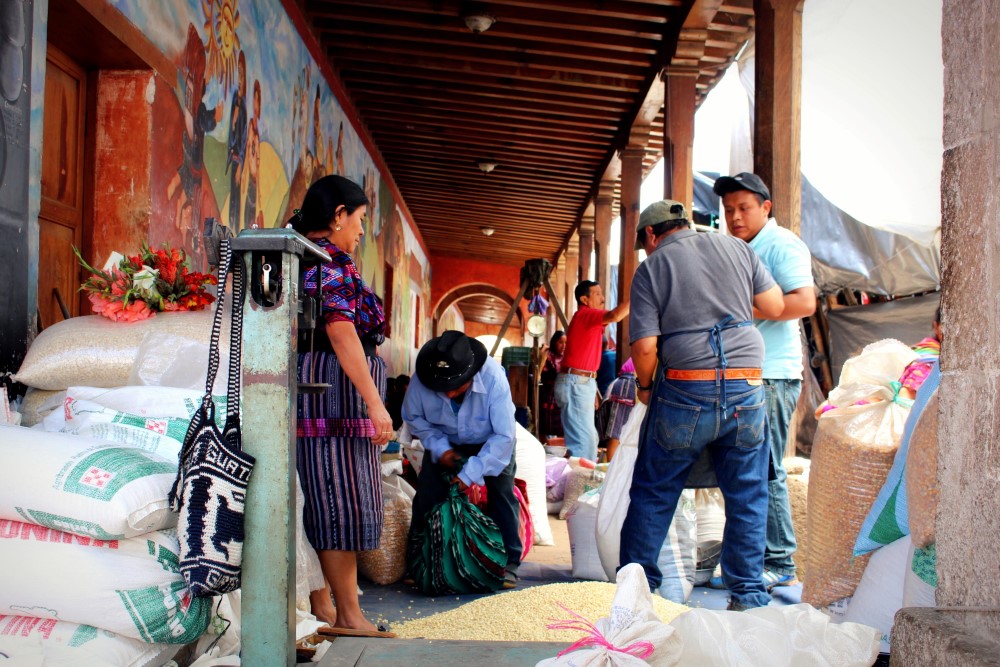 Grain-sorting
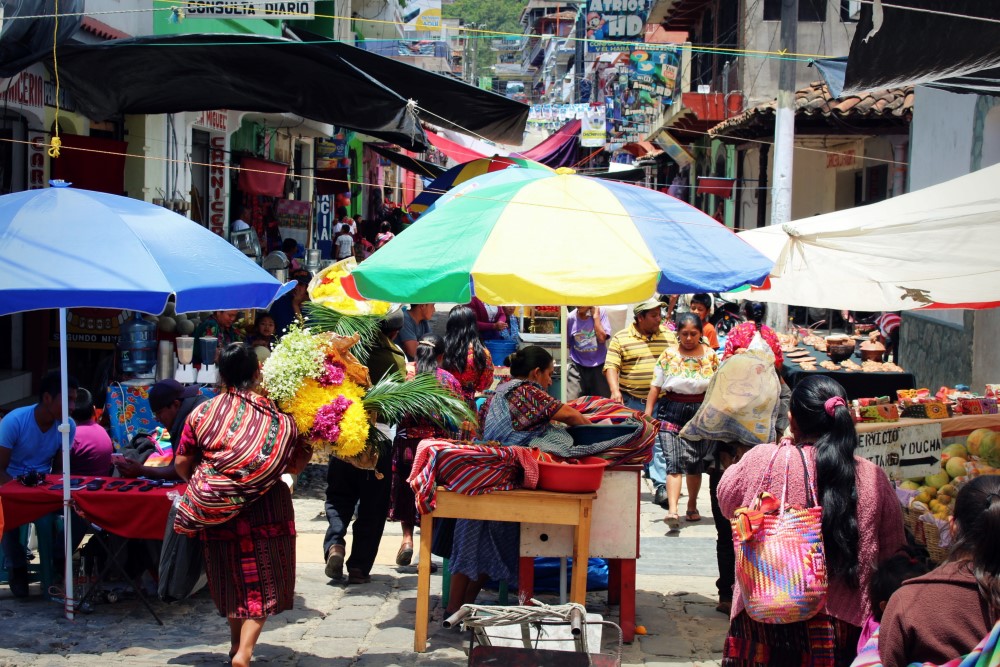

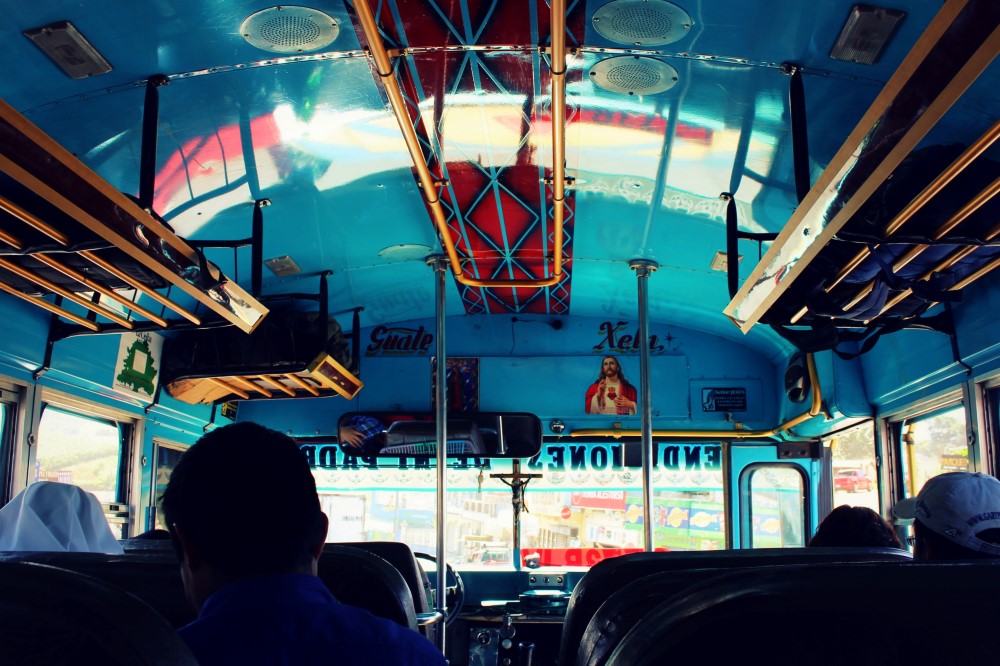 Bus back to Xela
By the end of week two we had developed a pretty set routine: wake up, breakfast, attend class, lunch, café to study, dinner, sleep. Julien’s Spanish continually improved and his stories extended to recounting events in the past, and even the simple future. I was discovering and pushing back against the fictional world that is the imperfecto del subjuntivo, the imperfect past subjunctive.
 This Framerican Life
Superbes couleurs encore au marché et dans les rues ! Certains plats sont fort appétissants aussi ! Merci de nous faire vivre la vie quotidienne au Guatemala.
Bisous à tous les 2.
LikeLike
Hablando de las salsas, generalmente es al revés, el hombre prefiere el chile. Hay que reconocer que ustedes dos no funcionan como toda la gente.
Y hablando del rompopo, era una bebida que le gustaba mucho a la Abuela, (mi madre por supuesto). A mi no mucho.
y siguiendo con Chichi…me pongo nostálgica. El mercado con su gente, sus colores, sus máscaras, sus flores, sus candelas. Las fotos que tomamos son siempre las mismas y al mismo tiempo son únicas, son el momento presente de cada una de las personas. El pobre pollo de la señora que se duerme debe de haber sido un buen almuerzo de domingo .
(Entre paréntesis, a mí me encantan los cementerios y los mercados)
LikeLike