We arrived in Costa Rica less than prepared. This was most likely due to the rushedness to exit Nicaragua in time (we curiously avoided the $2/day fine for overstaying our visa), but we are also fairly skilled procrastinators when it comes to planning exactly where we will be going next, and this, certainly, played a role. We took a bus from San Juan del Sur headed for San José (capital of Costa Rica), and got off the bus part-way, about 7 hours in, to catch another bus to La Fortuna in the cloud forests to the north of the country. We were dropped off on the side of the highway and ran through the constant drizzle that comes with cloud forests to a shopping complex to take out money. This was the first moment we realized we had no idea what the exchange rate was between Costa Rican Colones and the US Dollar. Trusting the ATM would not give the option to empty our bank Julien selected the 90,000 CRC amount, and we headed out, colorful bills in pocket, to catch a taxi to the bus station. 1000 CRC for the taxi and 4000 CRC for a two-hour bus-ride later, I was relieved to learn from a fellow passenger that there were approximately 530C to the dollar. And with that we cozied up for the two-hour ride, the movie Madagascar 3 (in Spanish) providing great entertainment from the drop down screens in the bus.
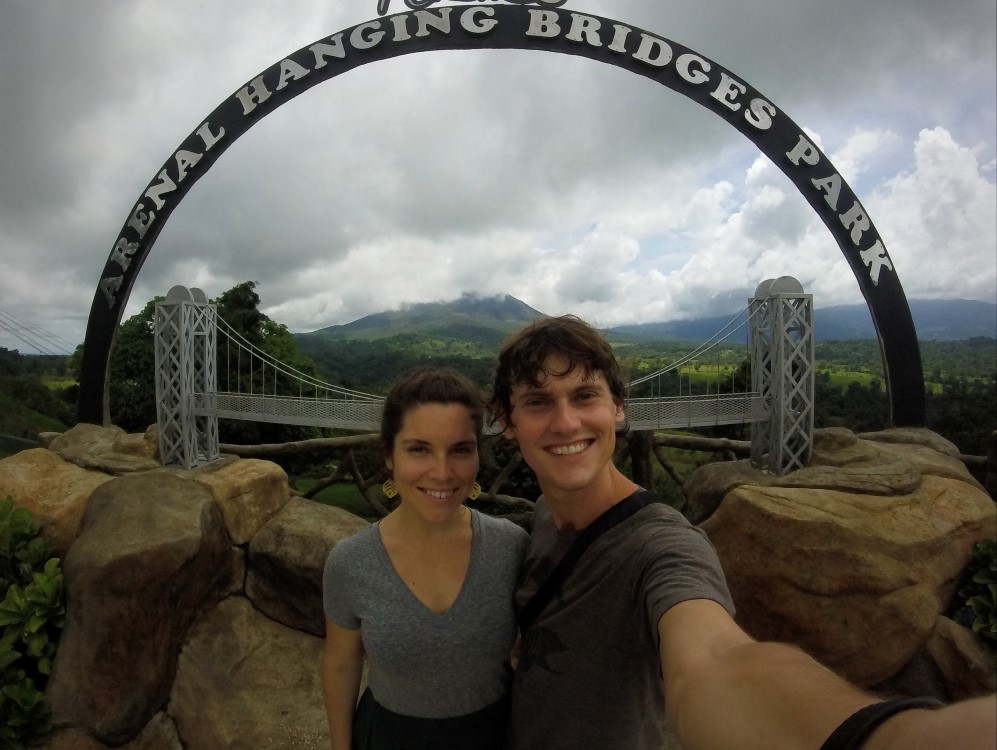
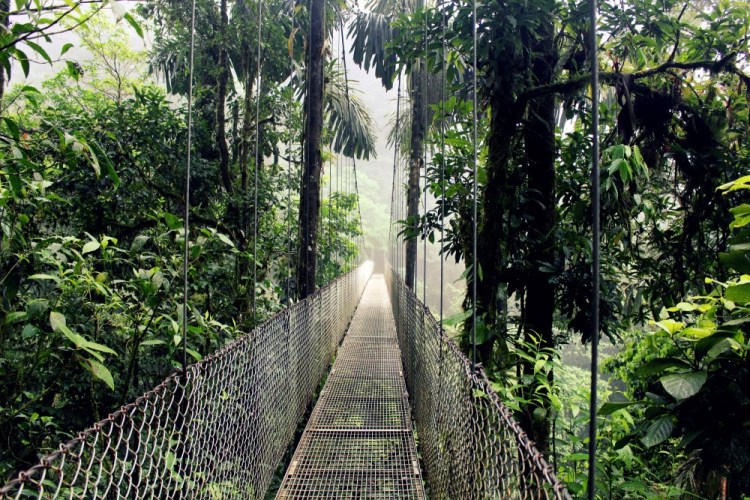
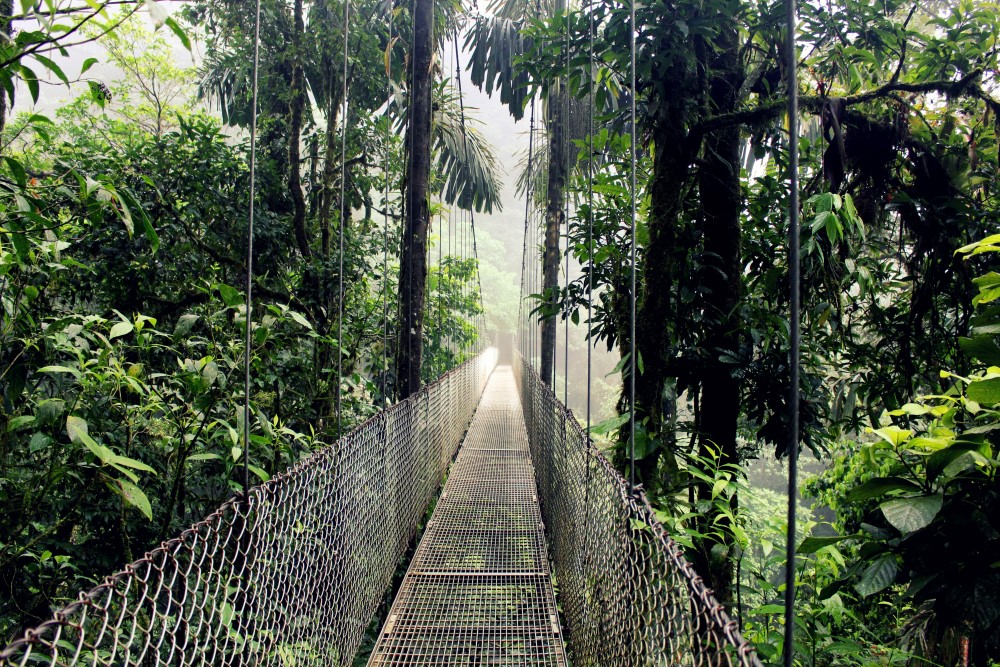
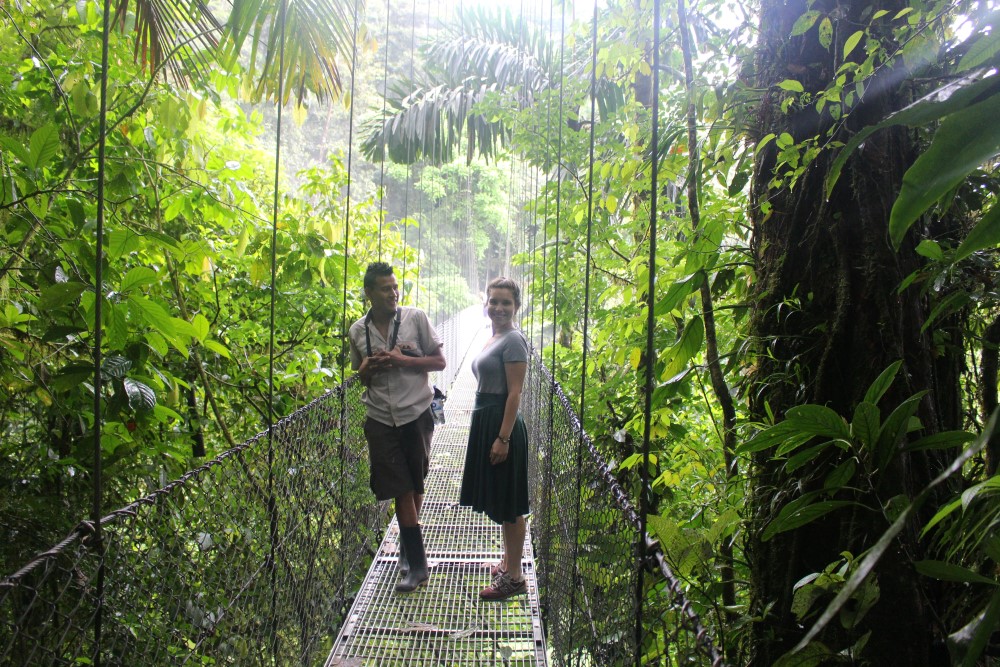
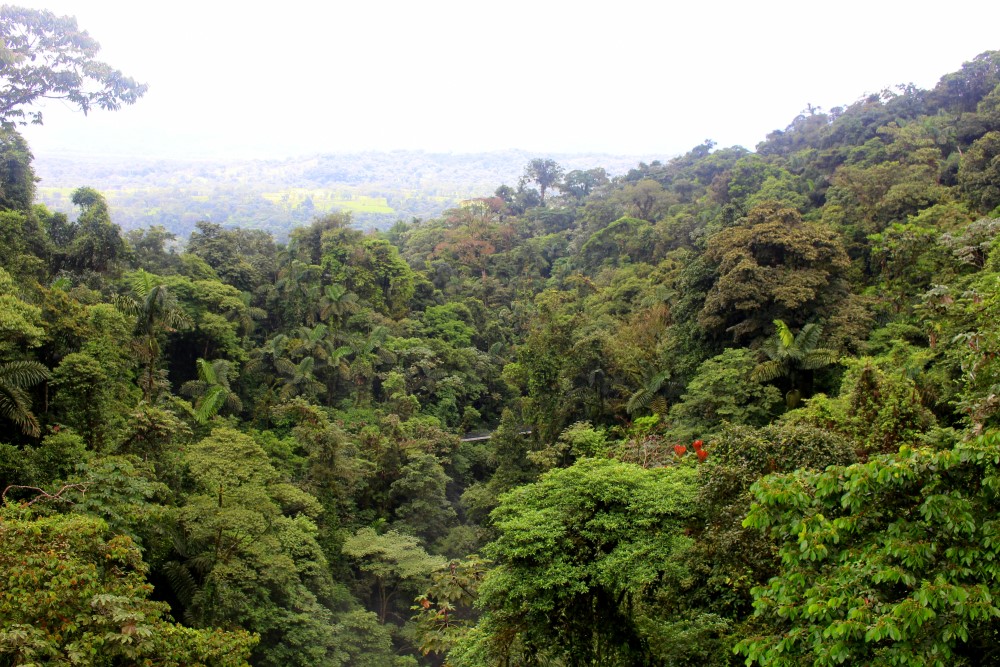
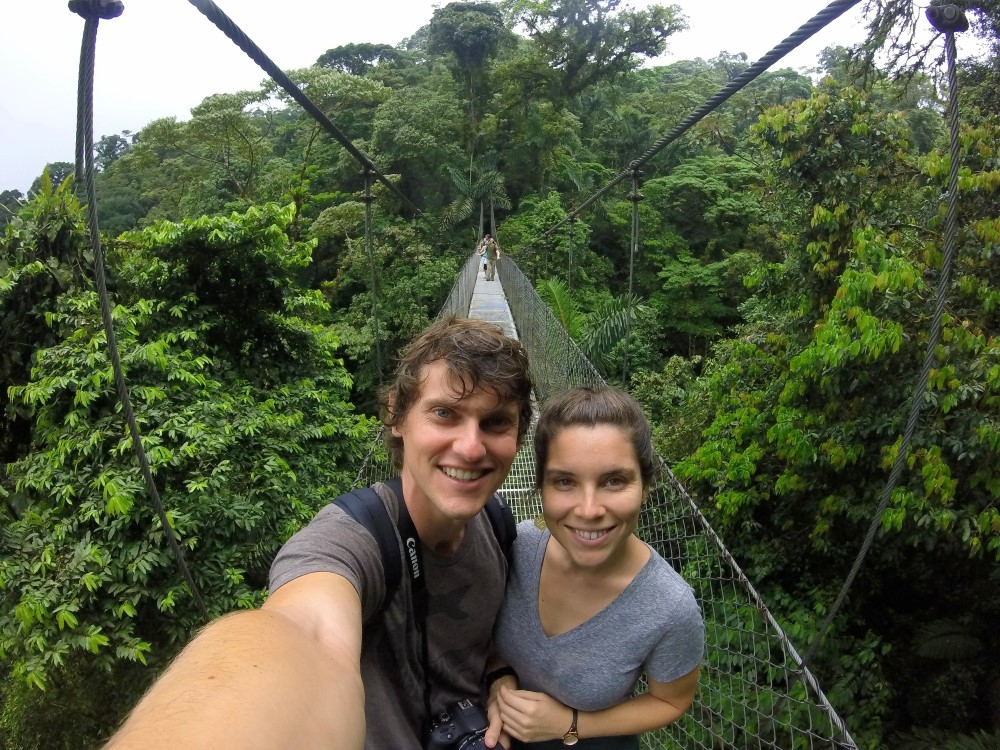
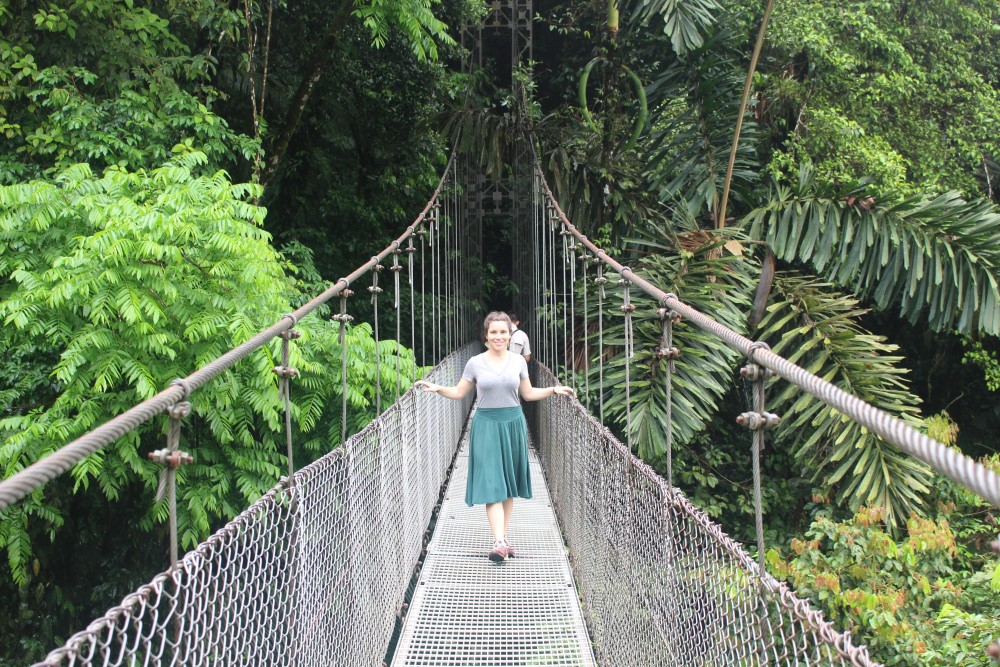
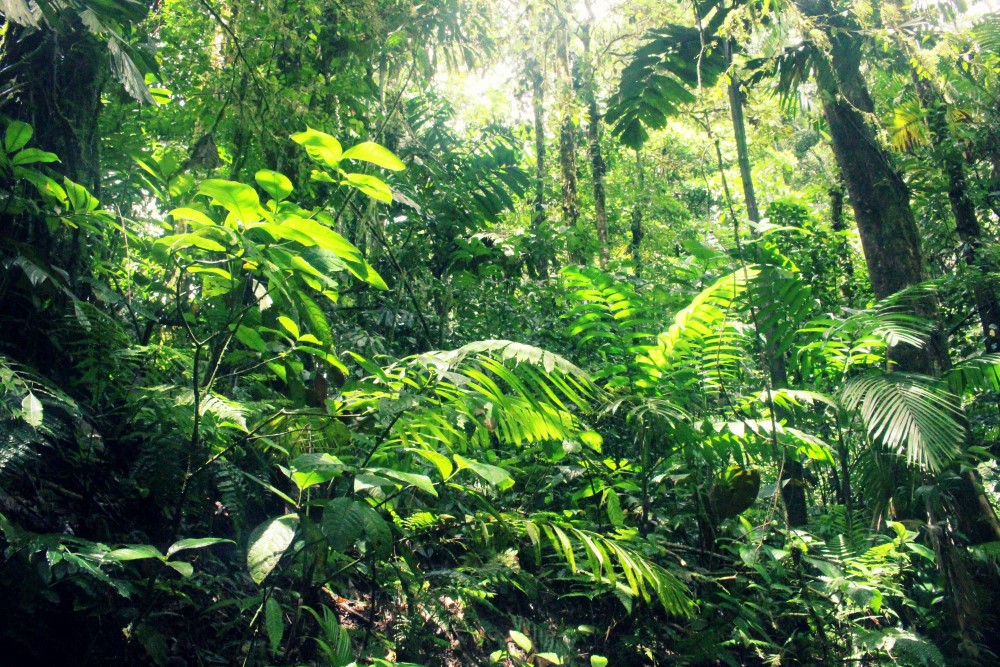
Our first impression of Costa Rica was that it was so green. Every shade greeted our eyes as we stared out the bus window, as well as the next day from our hostel and the nature reserve we visited. Costa Rica has put a strong importance on the environment and eco-tourism is at the top of the list of things to do in the country. This in mind we managed to visit two nature reserves within our first four days. The first was to the Mistico Arenal Hanging Bridges, a preserve that, along with a few animals, is unique in that it contains 16 bridges, 6 of them suspended. The animals were few, but the views were amazing.
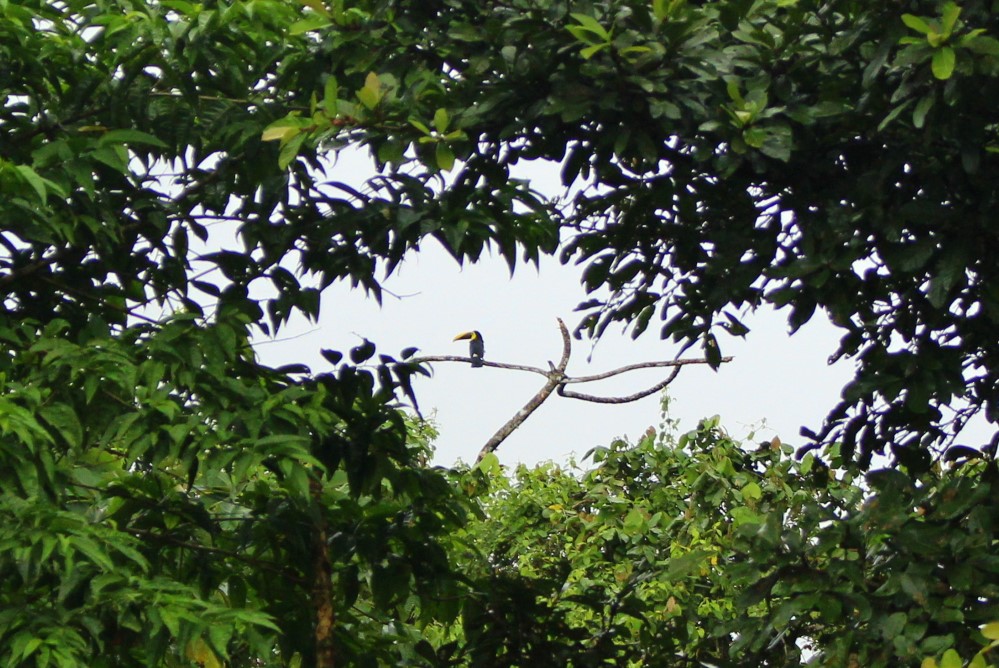 A rainbow-billed toucan, the largest of the toucans
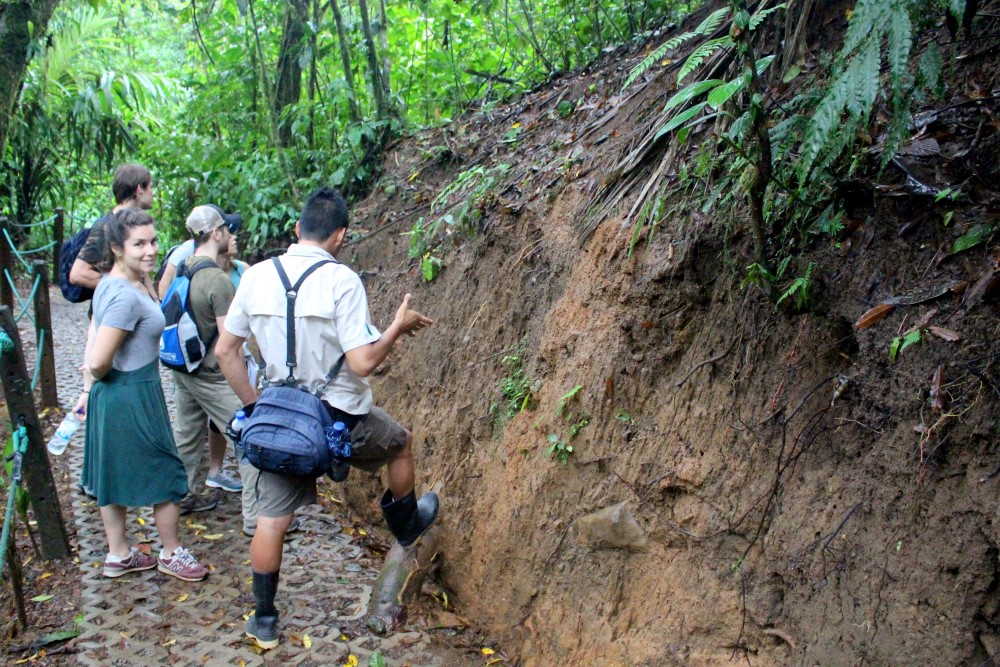 Our guide explaining that this whole embankment is a massive ant house
 Spider monkey
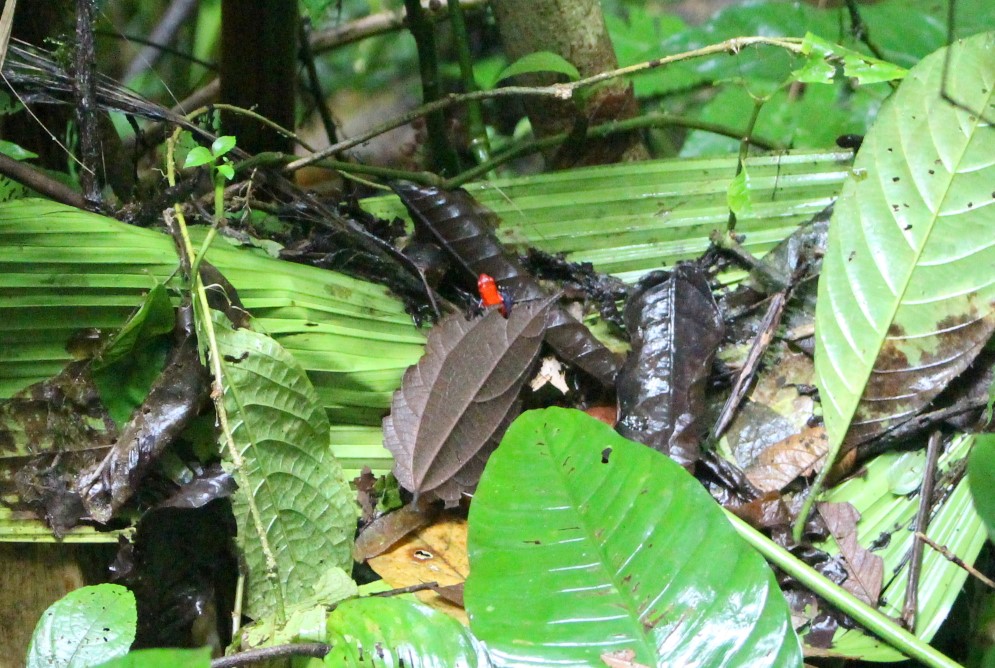 This tiny red frog is the size of your pinkie-nail. I was dubious it was real, so difficult it was to find, but was pleased when I saw it hop away.

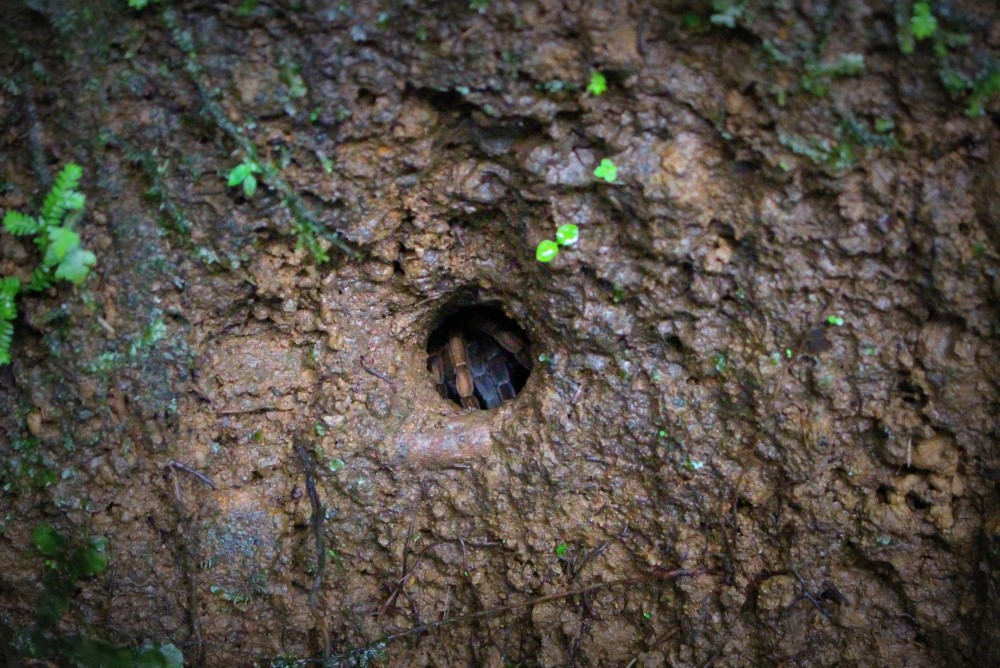 Tarantula legs. I spotted this one.
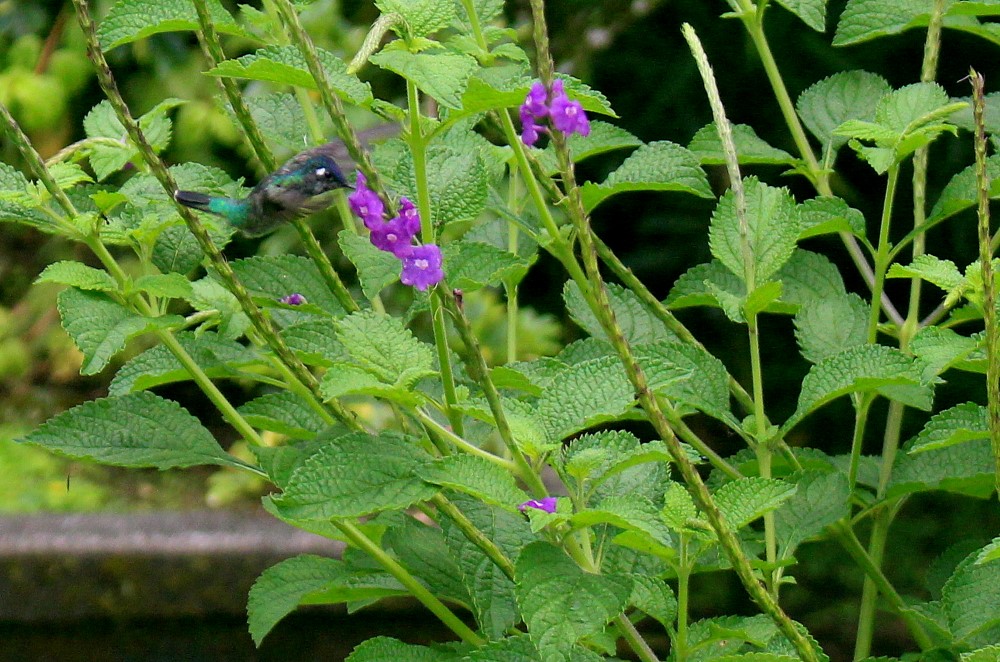 A very hungry hummingbird
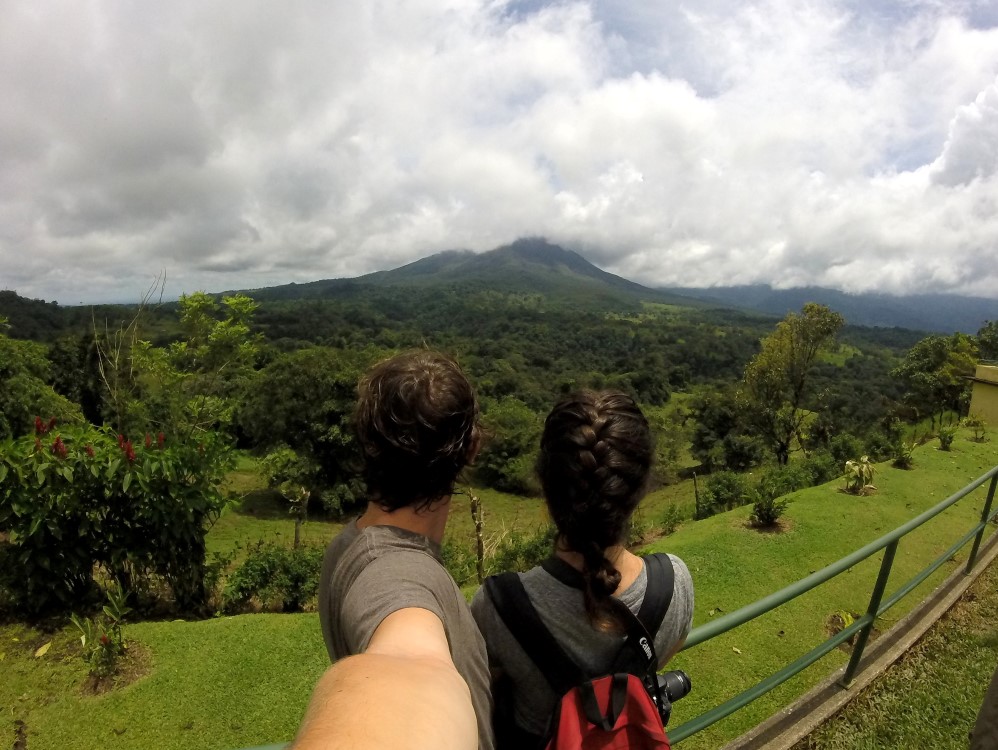 Looking over Volcán Arenal
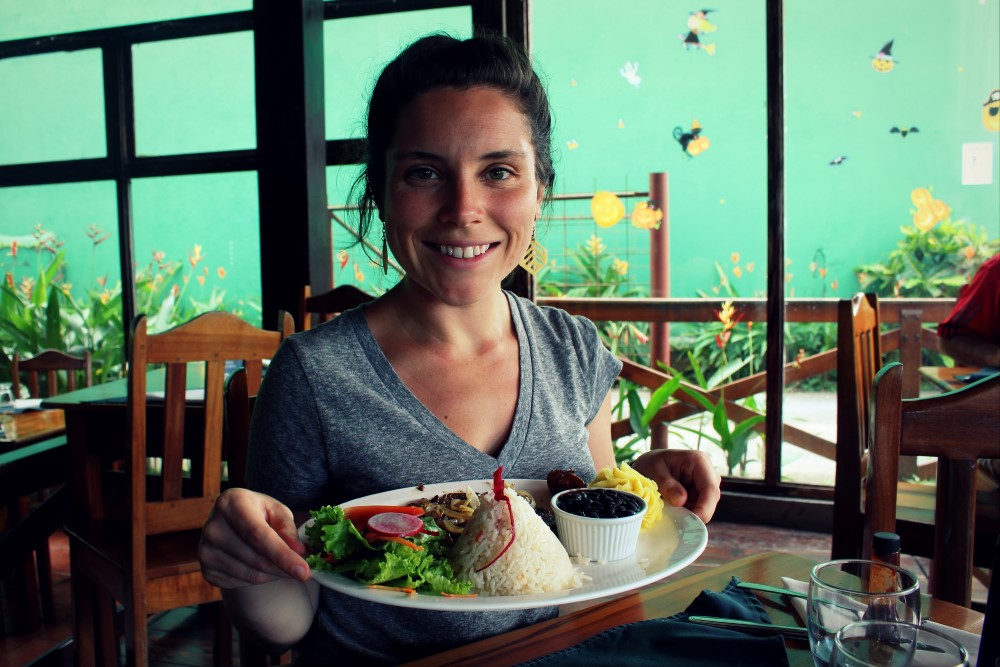 Comida típica, typical food, of Costa Rica, the “Casado”: rice, black beans, plantains, salad, meat, and a dash of mashed potatoes. I can only assume the rice is in volcanic shape as a nod to the Volcán Arenal that looms over La Fortuna
 Originally called “El Burío”, La Fortuna was renamed as such after Volcán Arenal had a massive eruption in 1968. Three villages west of the volcano were completely destroyed while the fortunate El Burío, east of the volcano, remained untouched.
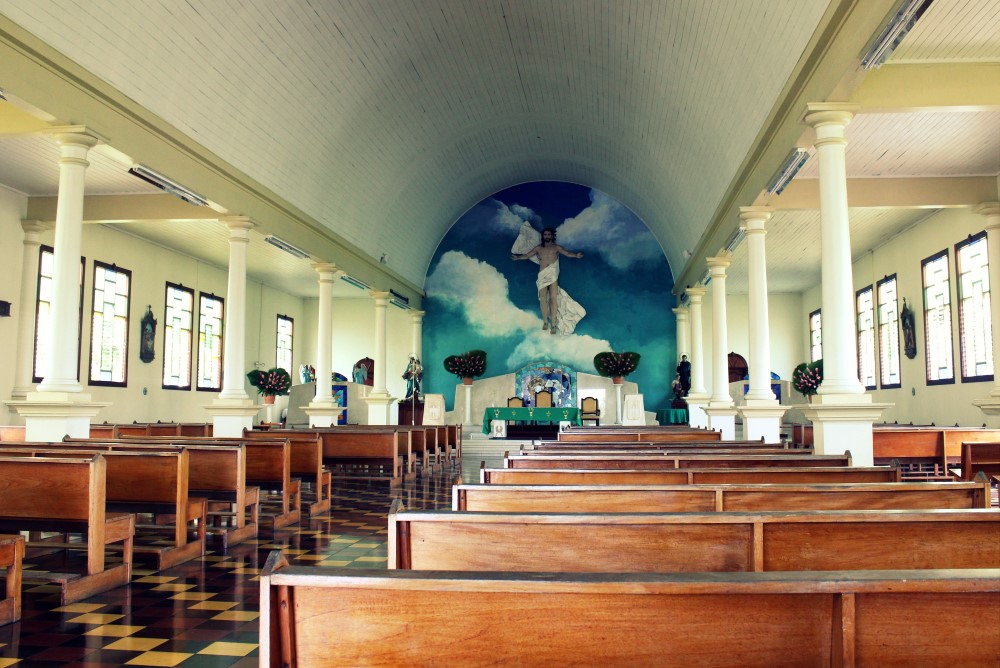
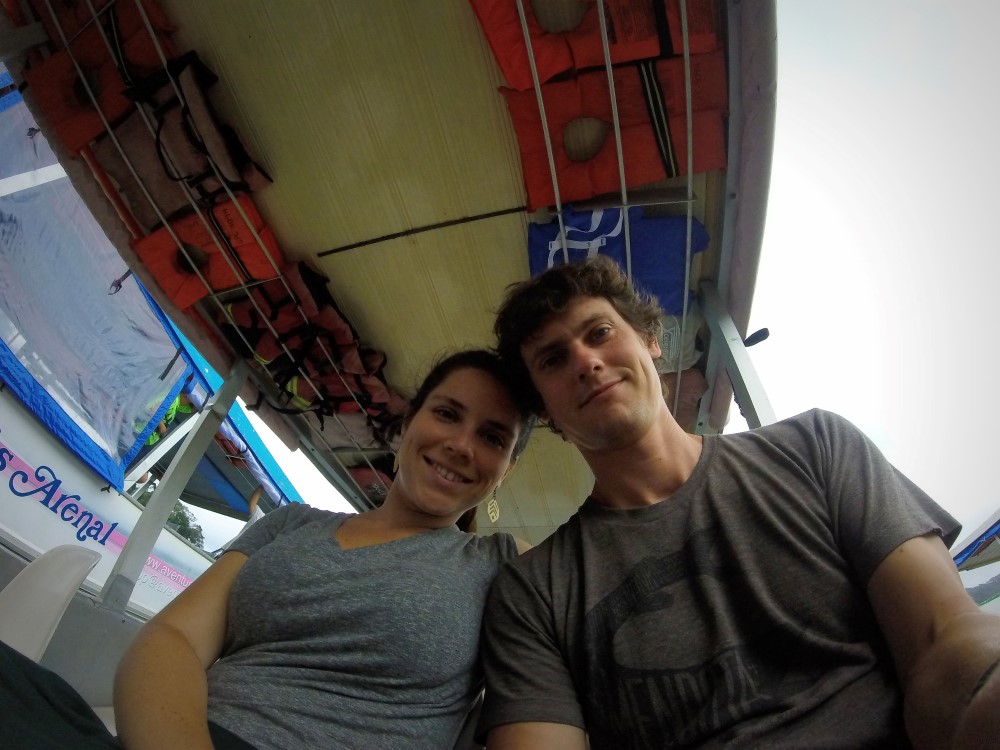
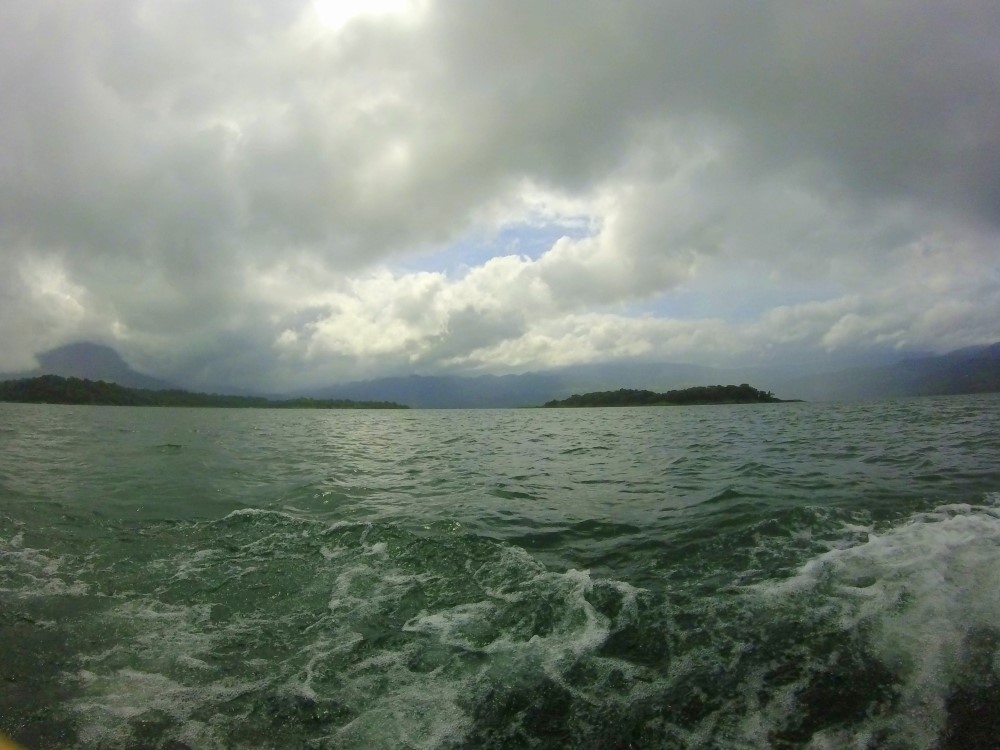
The next day we took a boat across Arenal Lake, the largest land-locked lake in Costa Rica. In 1979 it was expanded to become three times its original size, part of a hydroelectric project that originally made up 70% of the country’s electricity (today making up about 15%). Fascinatingly when they enlarged the lake, they relocated citizens of Arenal and Tondadora to flood the land, and the abandoned towns still lay at the bottom of the lake. It is rumored that during the dry season, the steeple of Arenal’s church can be seen peeking through the lake’s surface.
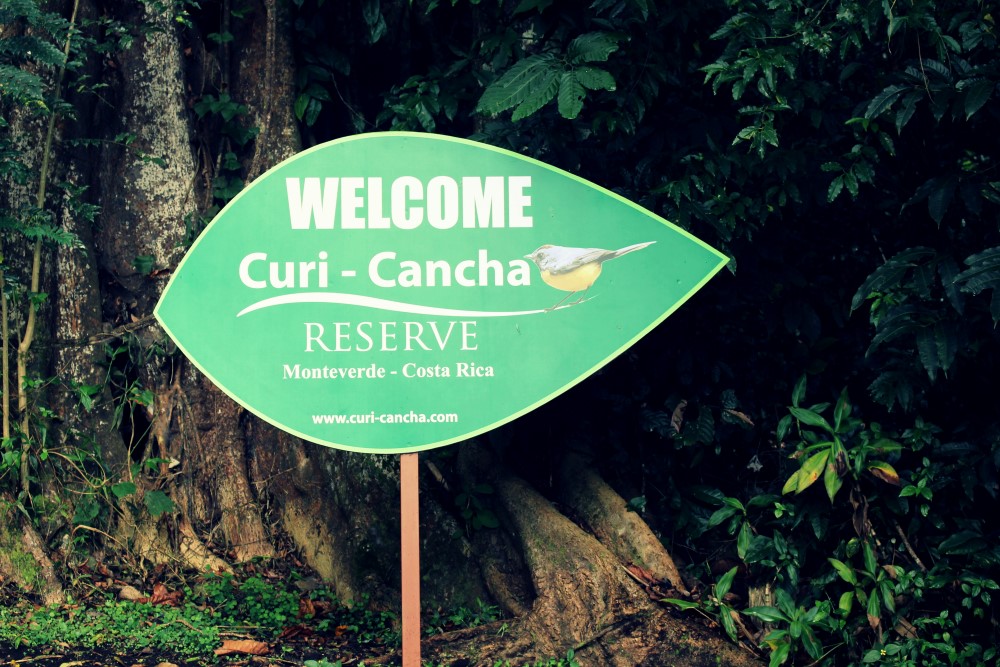
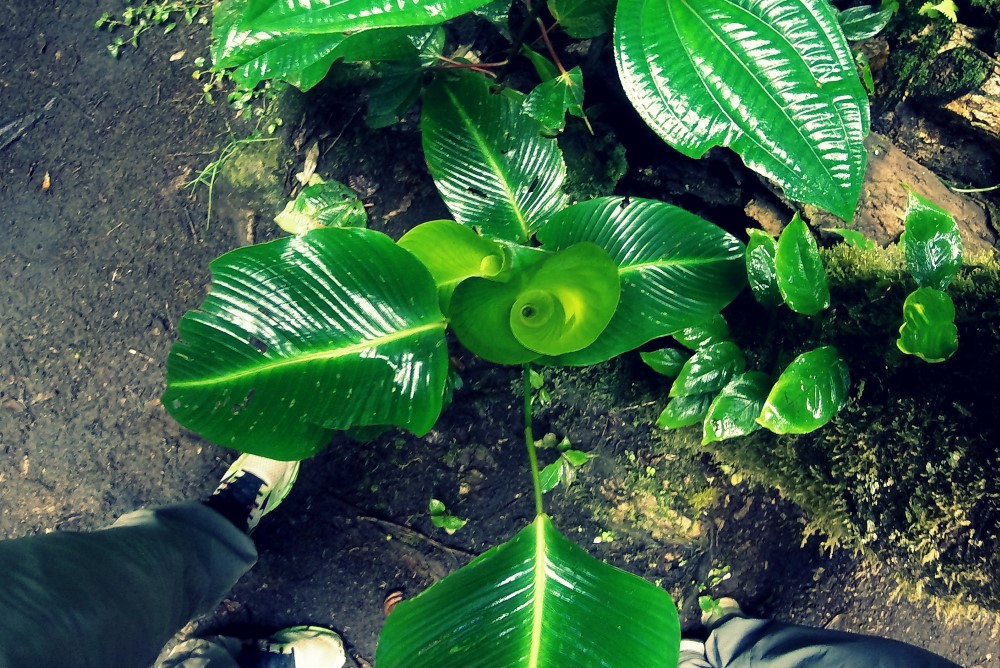
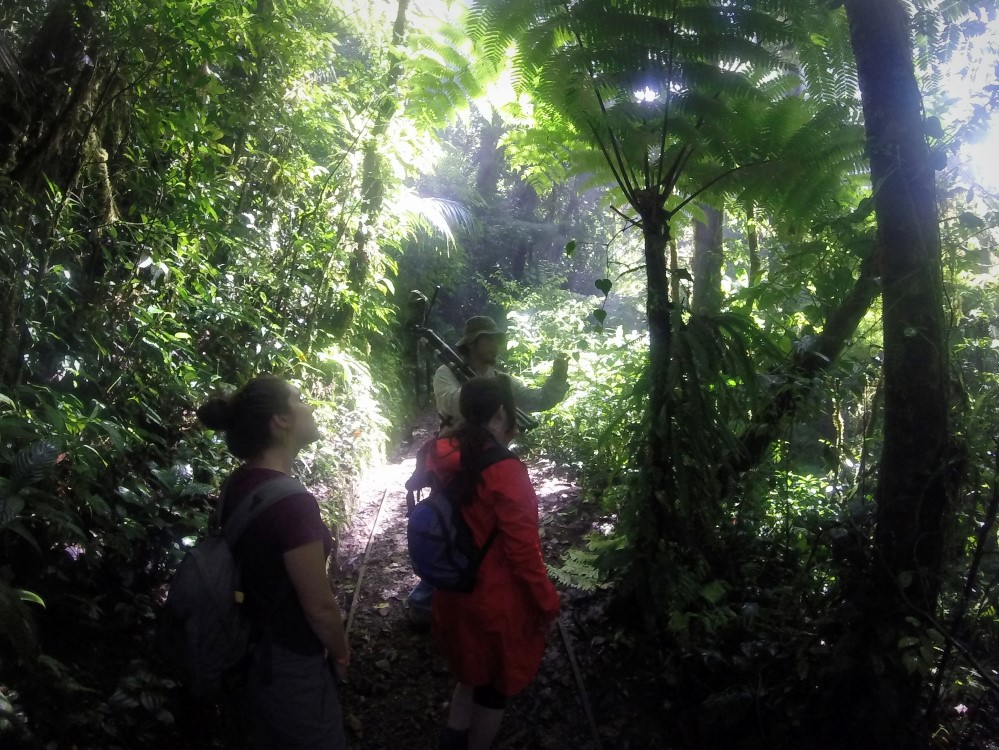
And so it was that we found ourselves in Monteverde, also known for its numerous nature reserves. We went to Curi-Cancha reserve, apparently our best bet for spotting the rare quetzal. Alas, no quetzales were found, but we had an interesting tour about cloud forests. Luckily plants don’t move around as much as scarce birds, so we received a lot of information about the vegetation of the reserve.

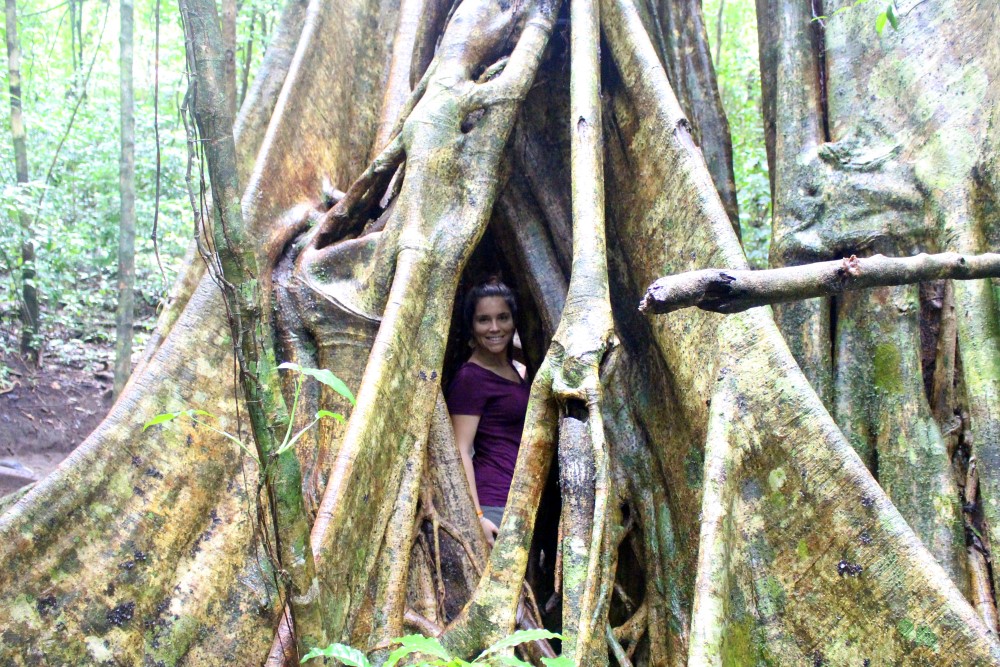
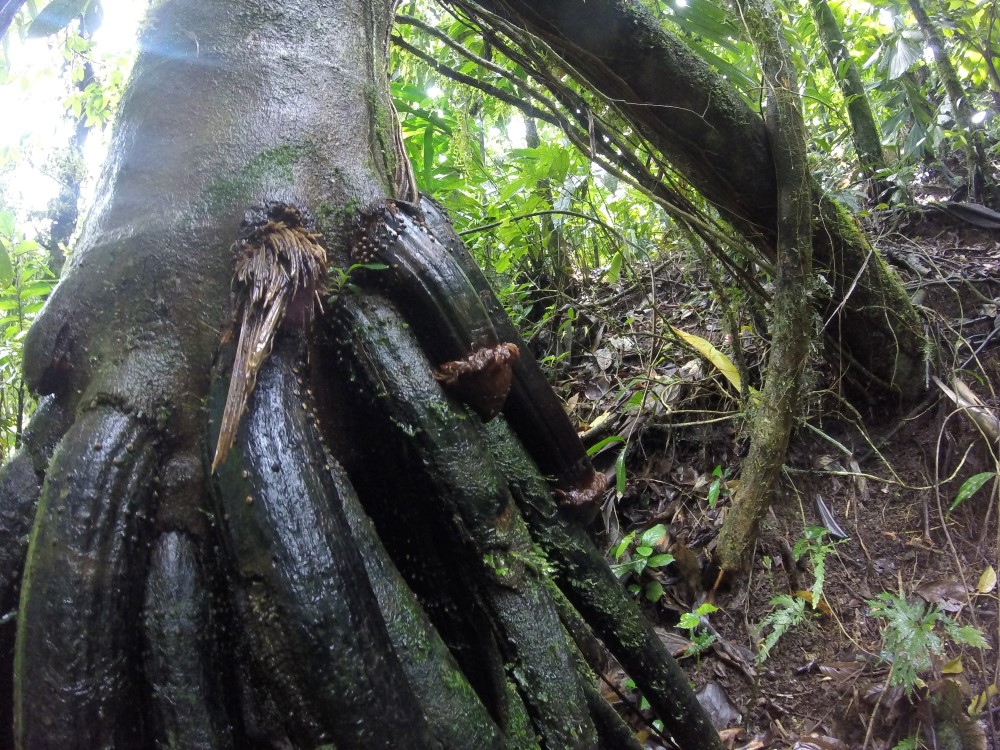
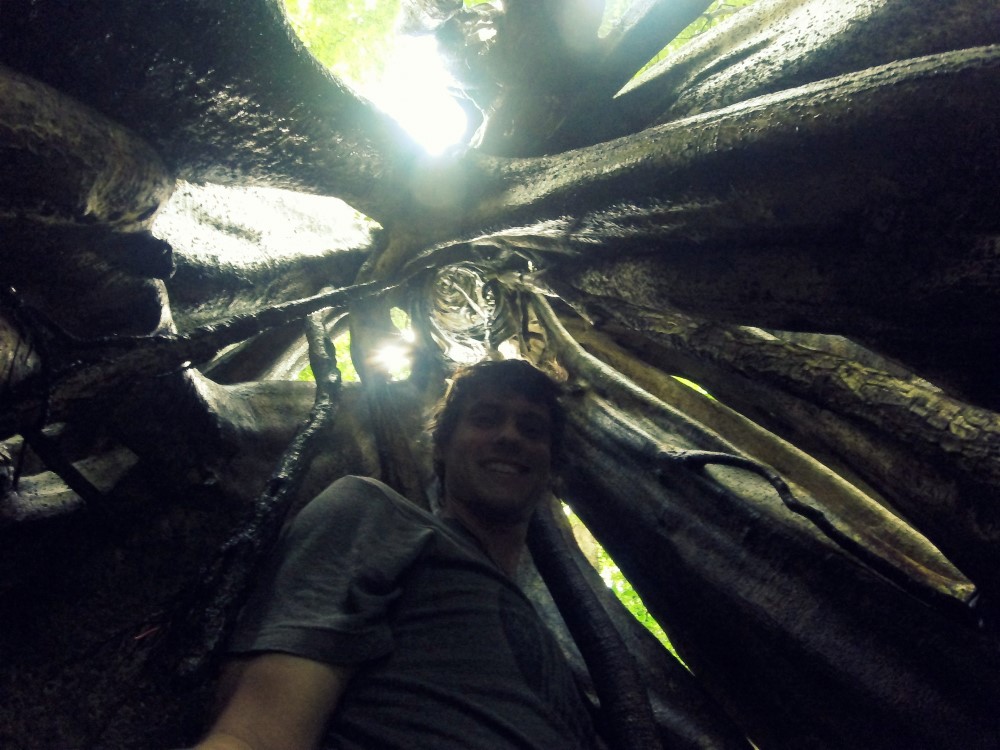
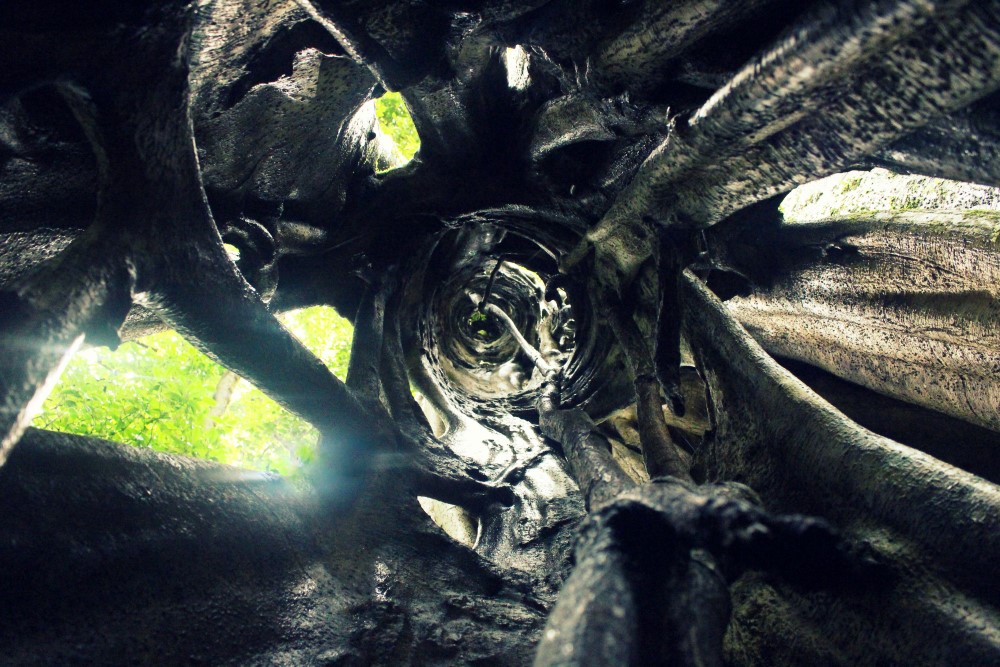 This is actually a parasitic vine that successfully killed the tree that it used to be surrounding, thus leaving it to be a hollow shell.


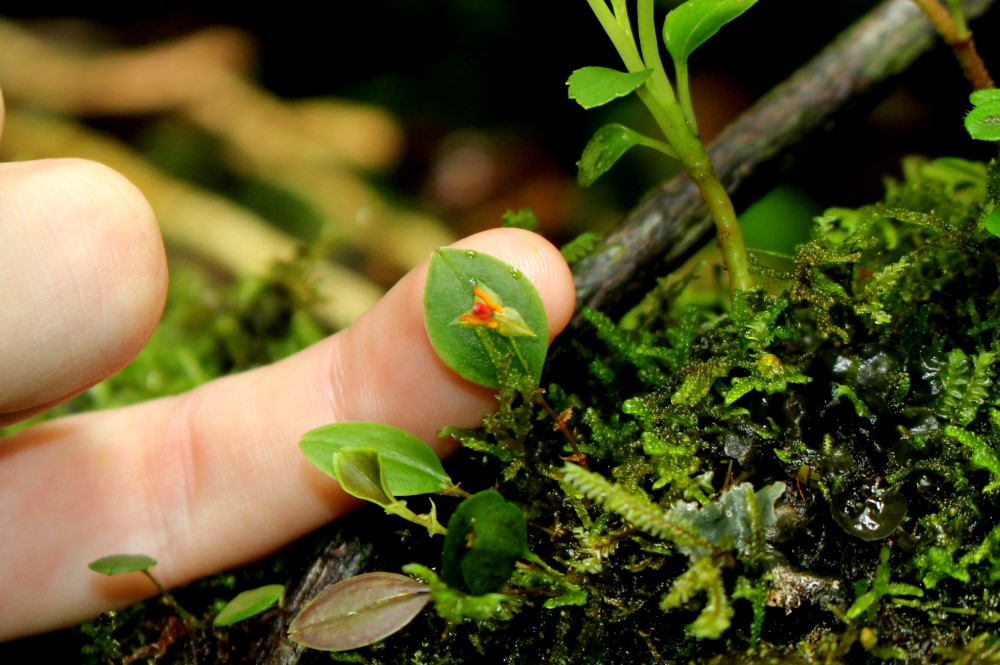 One of the world’s smallest orchids
 This Framerican Life