(Huaraz is the capital of the region Ancash)
Day two: we had booked one of those activity-packed day-tours, this one taking us north of Huaraz. We would visit a town famous for its ice-cream and many legends, then off to Yungay, a city completely buried by an avalanche triggered by that fateful earthquake of 1970, then off to lunch before visiting the turquoise waters of glacier-lake Llanganuco, and then to finish up, we’d have a little pottery demonstration with the opportunity to buy some hand-crafted works. A full-day guided tour for 35 soles (about $10), spectacular landscapes included.
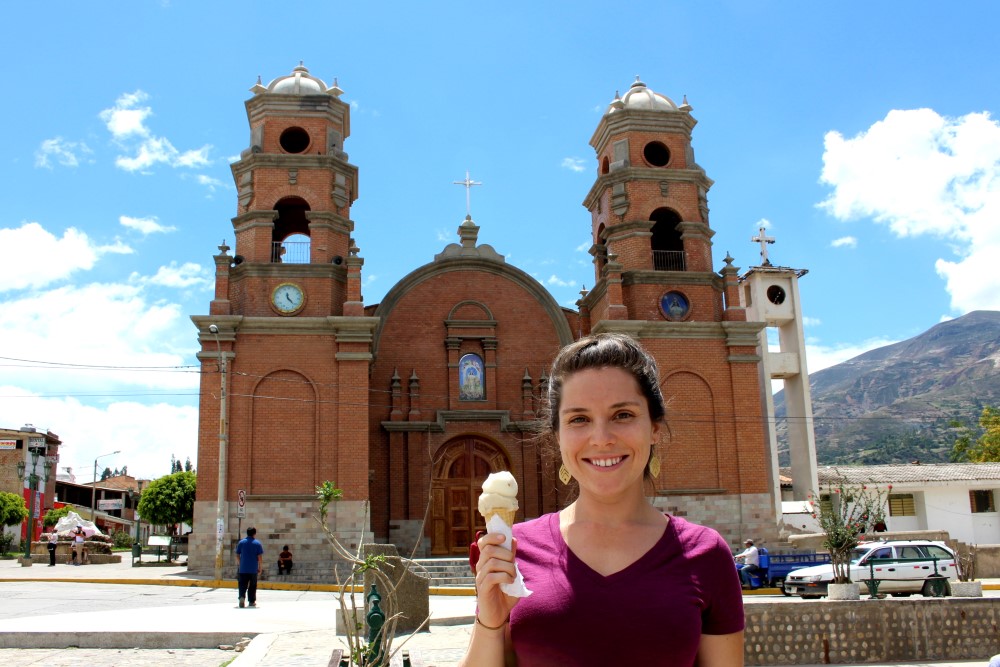 Enjoying a scoop of peanut and a scoop of beer ice cream in front of Santuario de la Virgen de las Mercedes, Carhuaz.
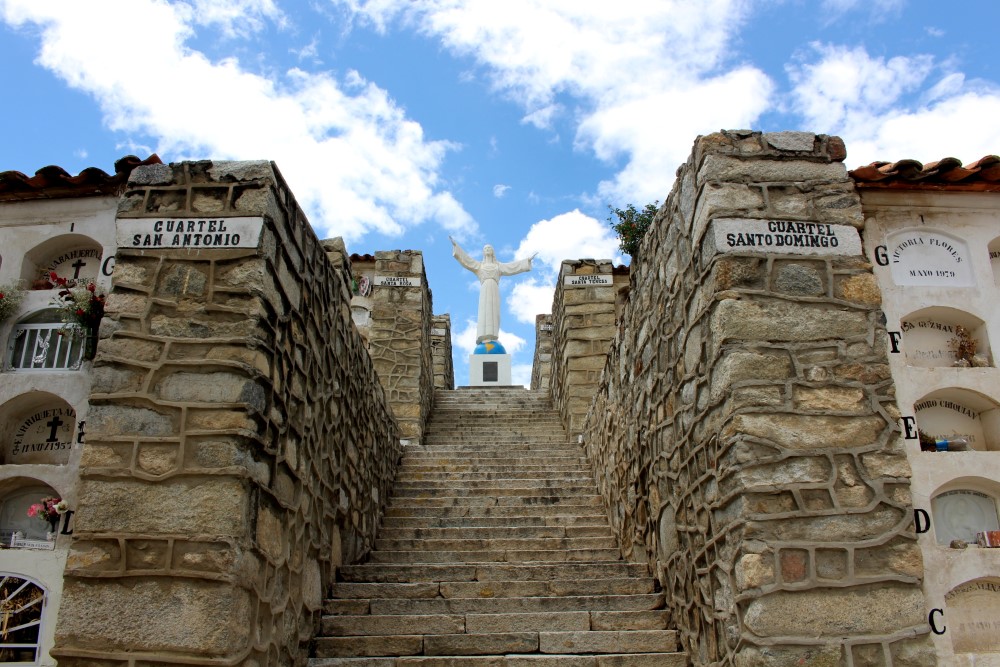
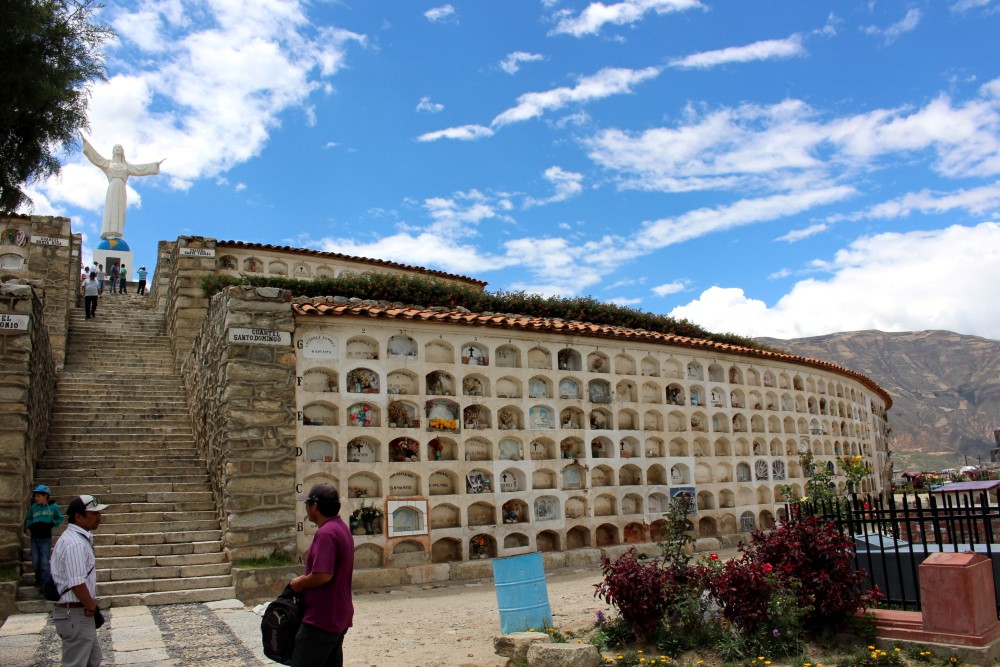
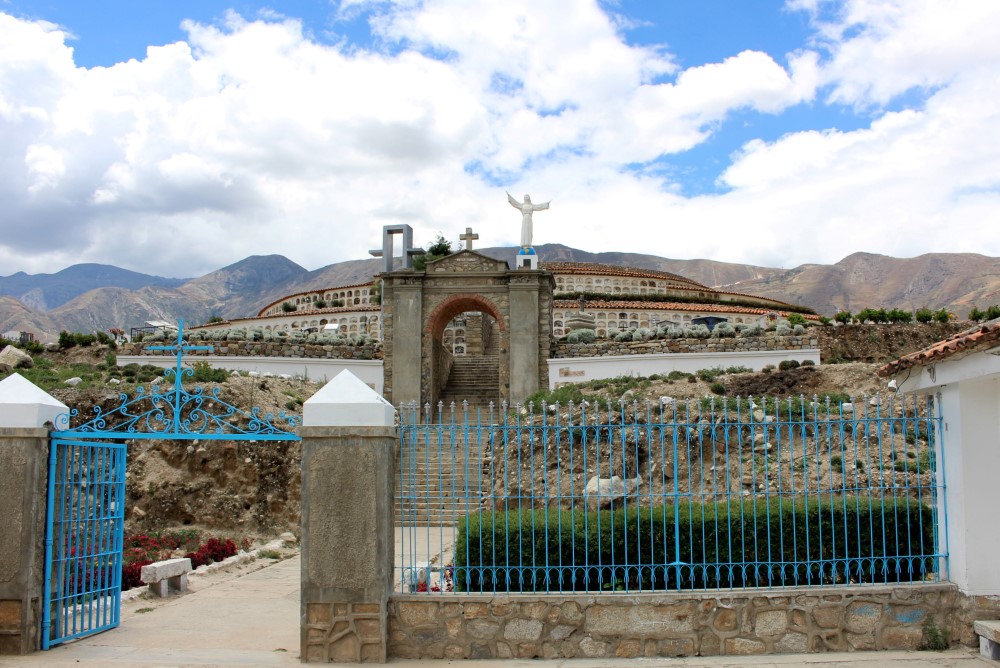 May 31, 1970 an 8.0 earthquake loosened 10 million cubic meters of snow, ice, and granite from Huascarán’s northern face. Within three minutes the entire city of Yungay was buried, an entire town of 25,000 extinguished. The only survivors were about 300 residents attending a circus that was just out of the avalanche’s path, and 92 people who ran to the top of this Swiss-designed cemetery. The cemetery is made up five concentric levels, each about fifteen feet tall, and since debris reached only the second level, those at the top survived.
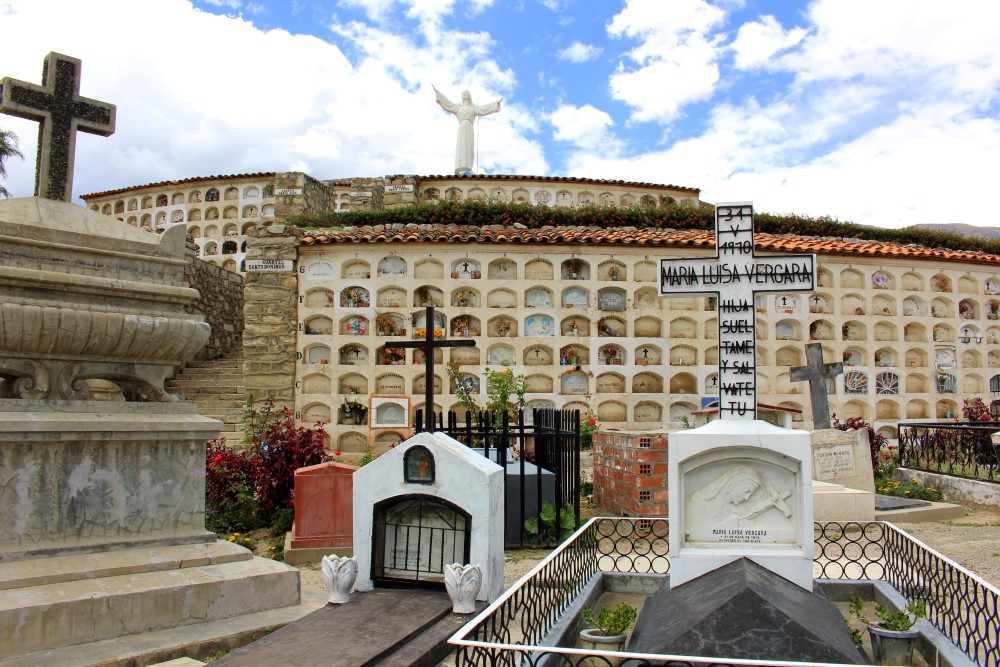 The tomb of María Luisa Vergara, a mother who tripped while running up the cemetery steps. She encouraged her daughter to leave her and continue the climb to save herself; the daughter survived, and María Luisa died in the rubble: “Mija, suéltame y sálvate tú.”
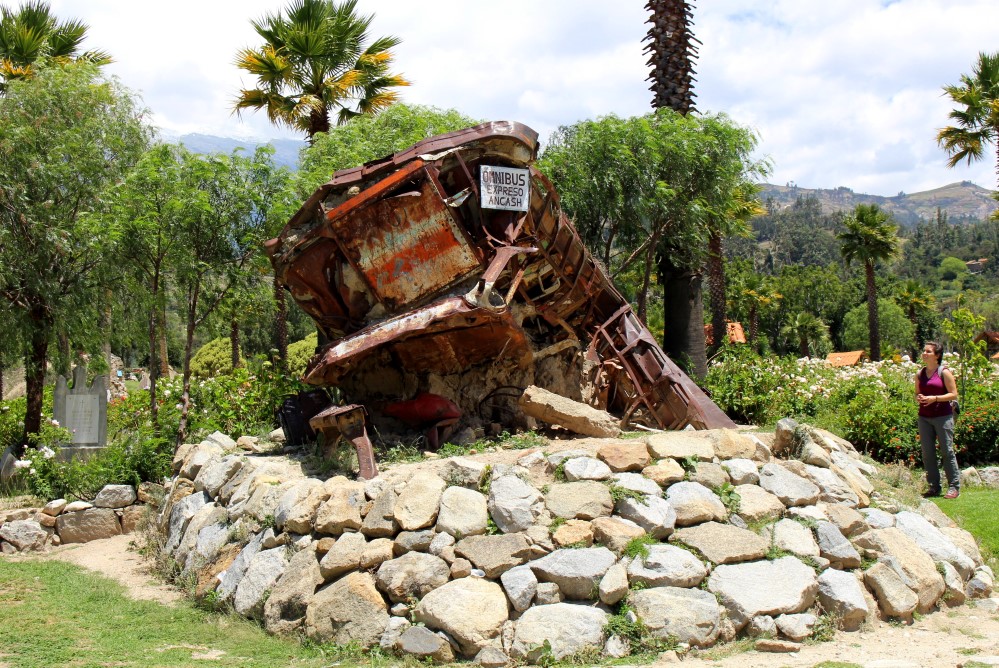 The metal of this bus was easily twisted around a pillar by the mudslide that was estimated to have had speeds between 280 and 335 km/h (175 and 210mph).
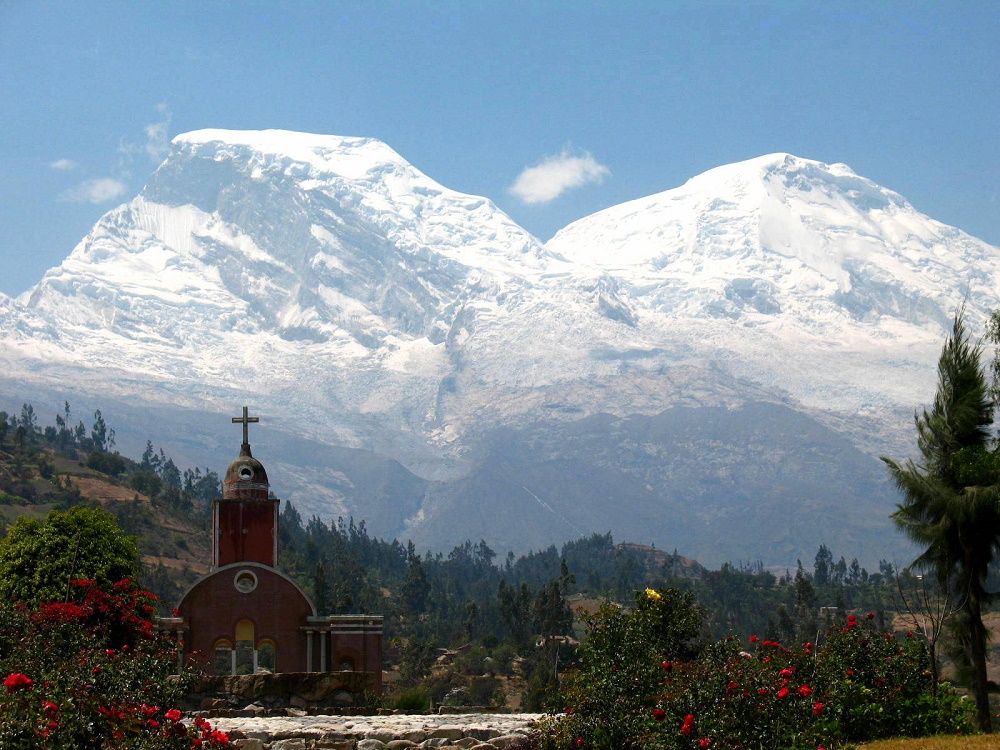 The whole city is buried about 8-10 meters (25 to 40 feet) underground, effectively turning it instantly into a cemetery where 25,000 are still buried. The culprit, Huascarán (Peru’s tallest mountain at 6768m, 22,200 feet), in the background.
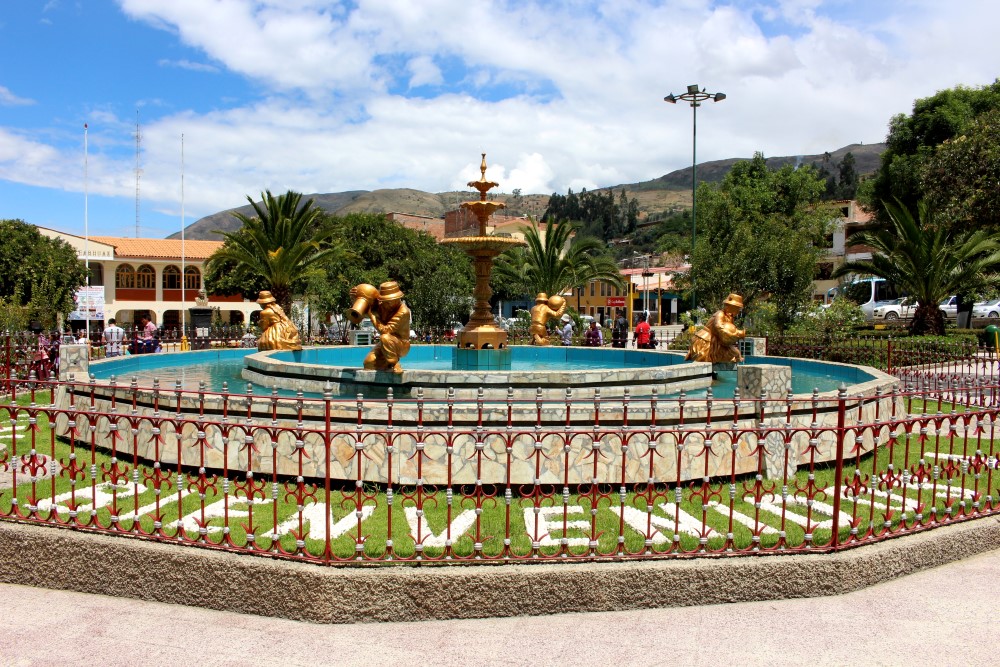
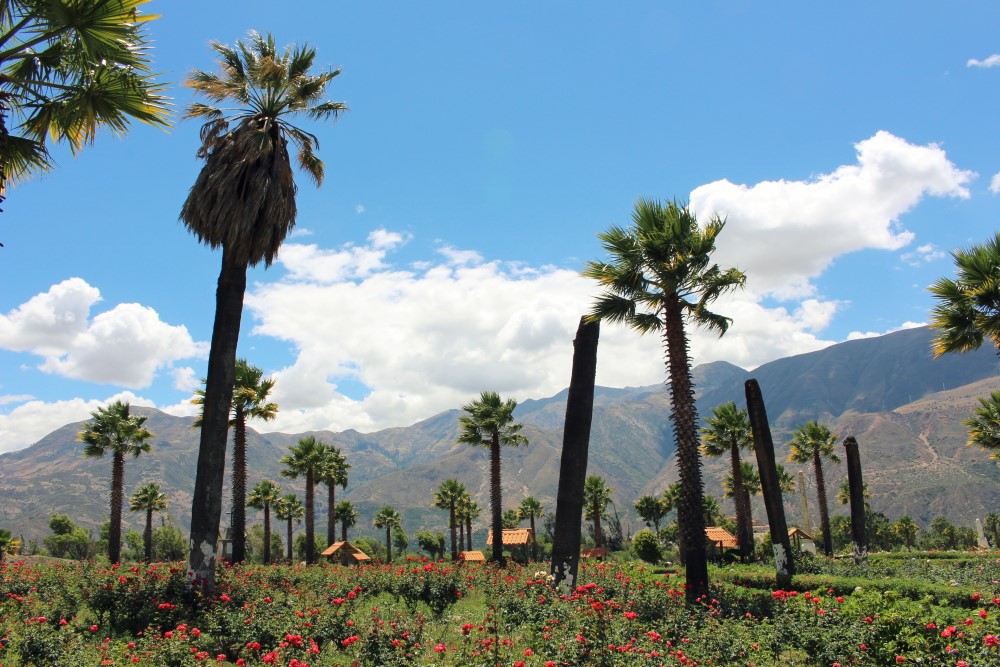 Only four palm trees from the original 36 of Yungay’s main square survive today. Well kind of; three of them are palm-less trees and the fourth is the hairy one to the left.
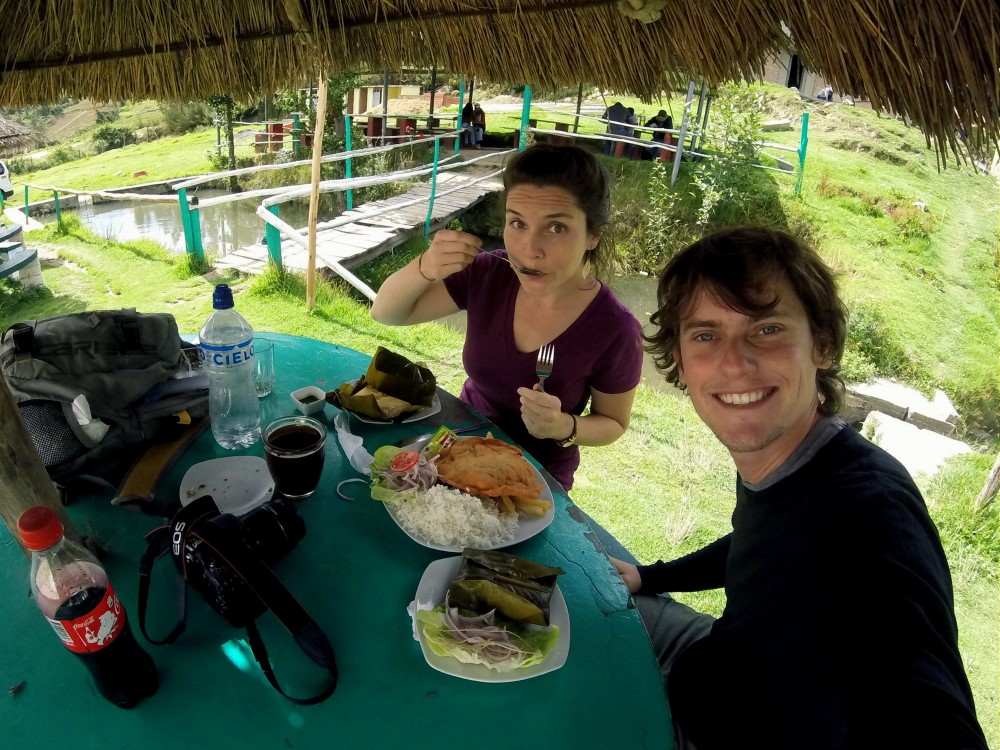 Pollo Milanesa and tamales for lunch
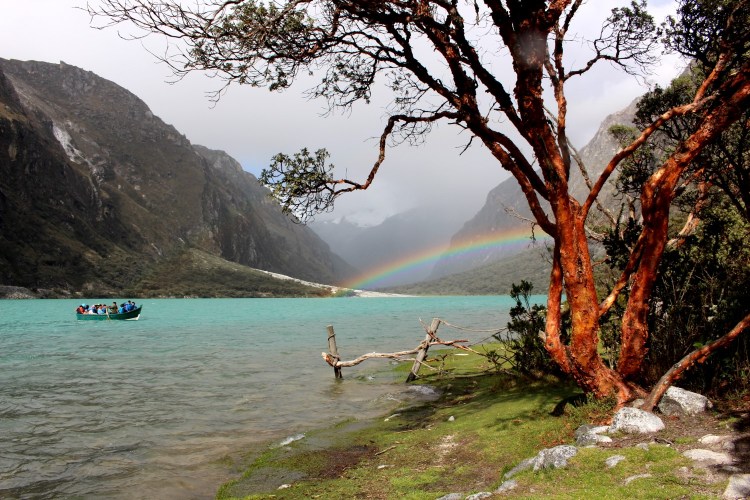
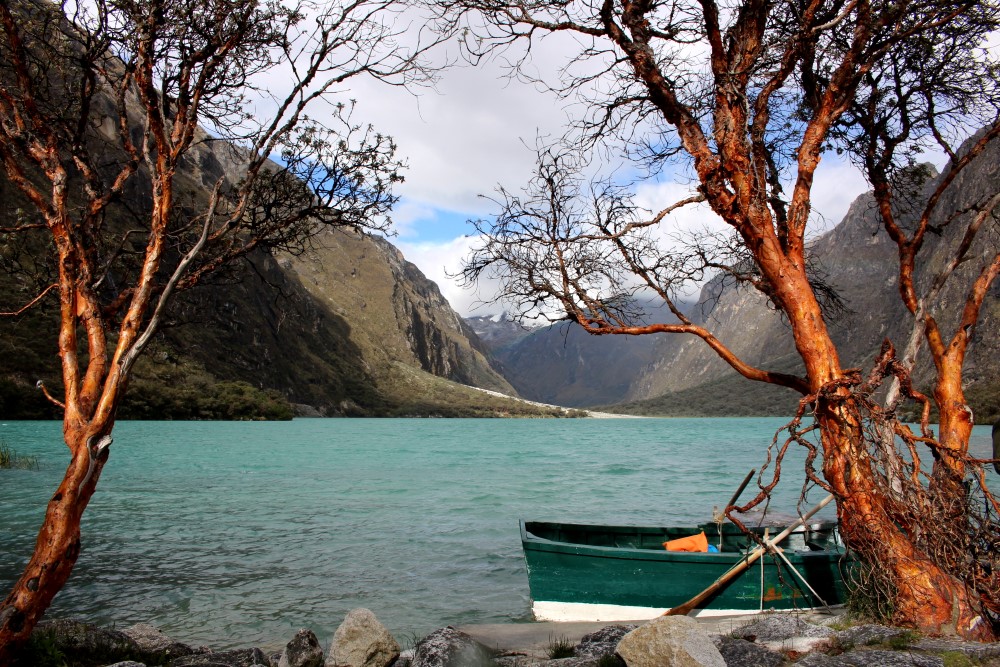
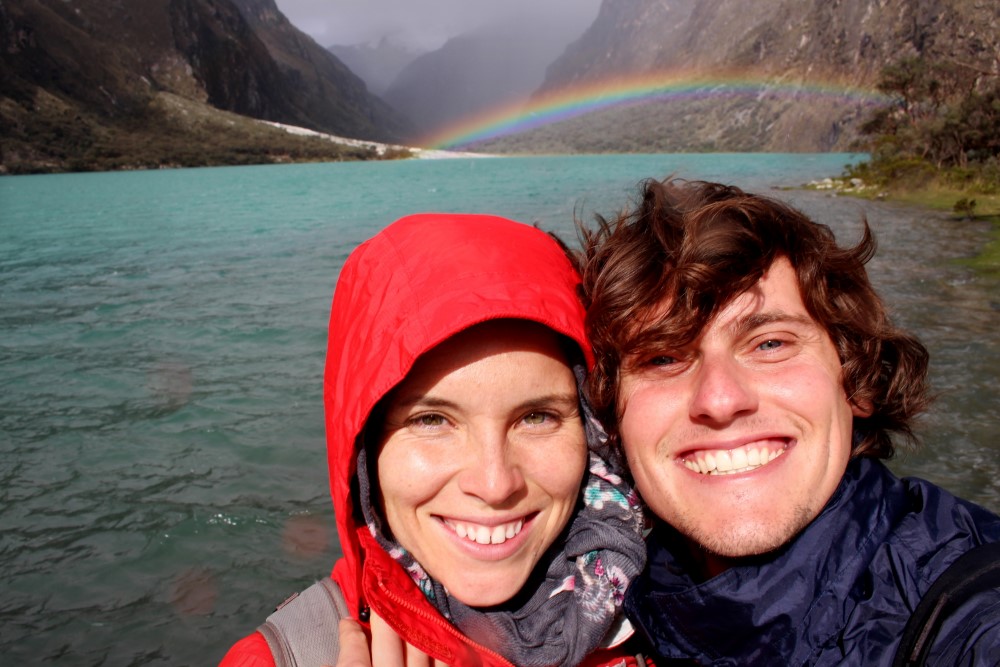 From balmy temperatures with palm trees to glacial temps with glacier-fed lakes! The light rain was not appreciated at first, but the strong sun came through and gave us a lovely rainbow.
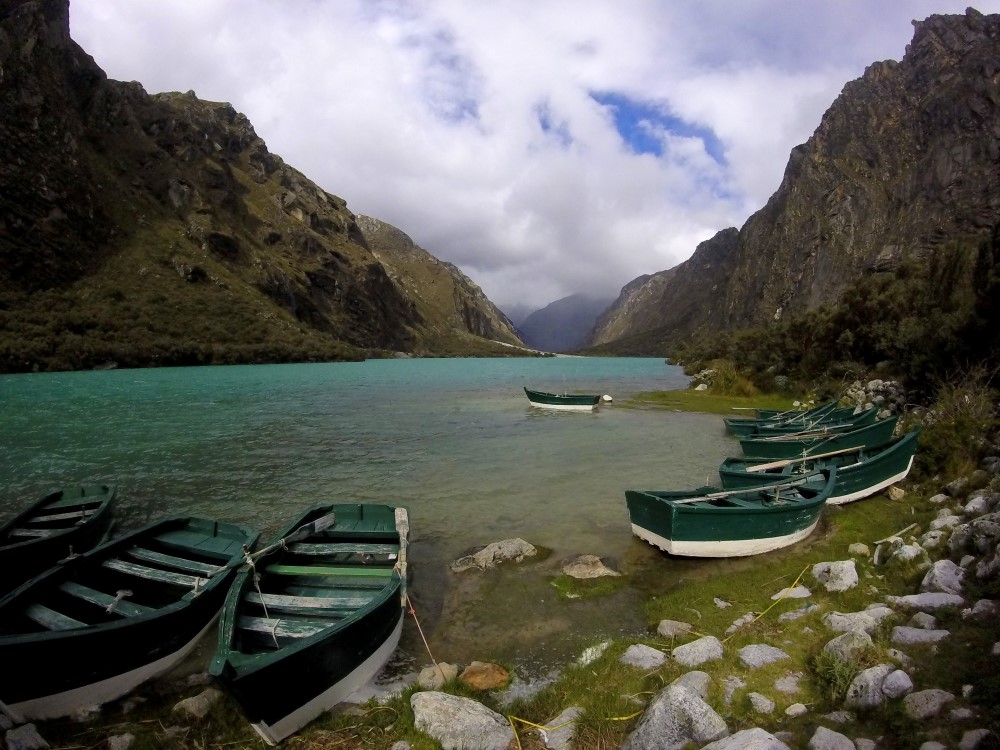 Laguna Llanganuco, 3850 m (12,600 ft) above sea level
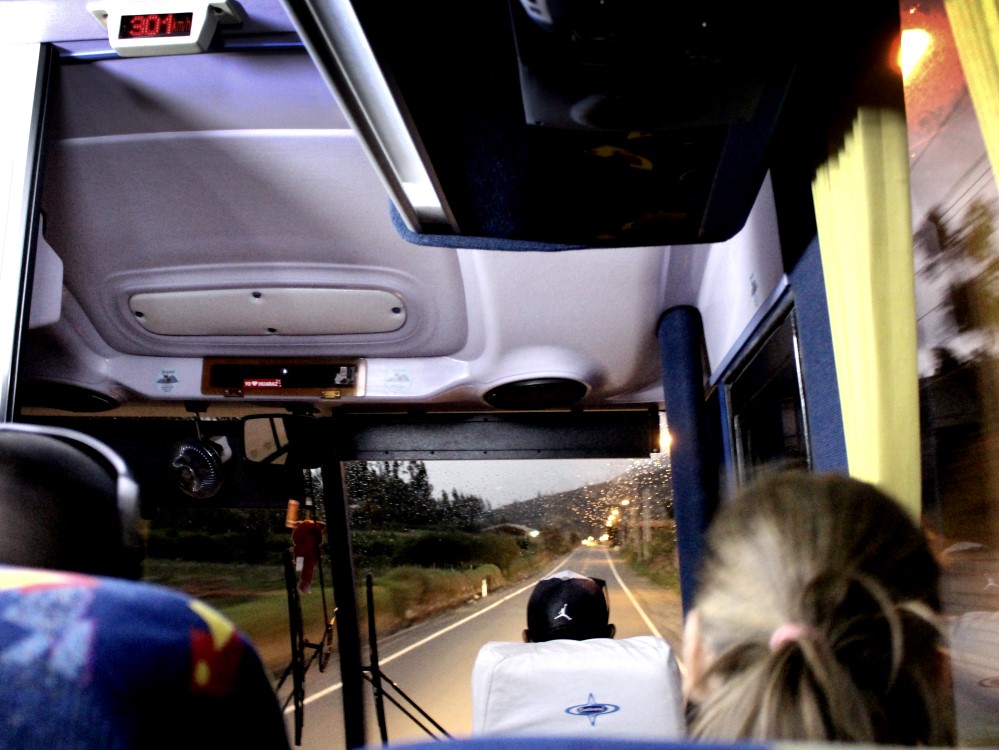 That time our tour bus was traveling at 301 km/h (190mph)

Click here for a video summary of our day
 This Framerican Life
Très beaux paysages encore (les couleurs sont très belles) mais aussi beaucoup d’émotion dans votre reportage. On n’imagine pas que tout un village ait ainsi disparu en peu de temps. Quelle tristesse !
Un gros bisou à tous les 2.
PS : il ne doit pas faire très chaud ! Et, au fait, bravo pour votre blog avec les réponses à nos questions (c’était vraiment une idée géniale)
Mom
LikeLike