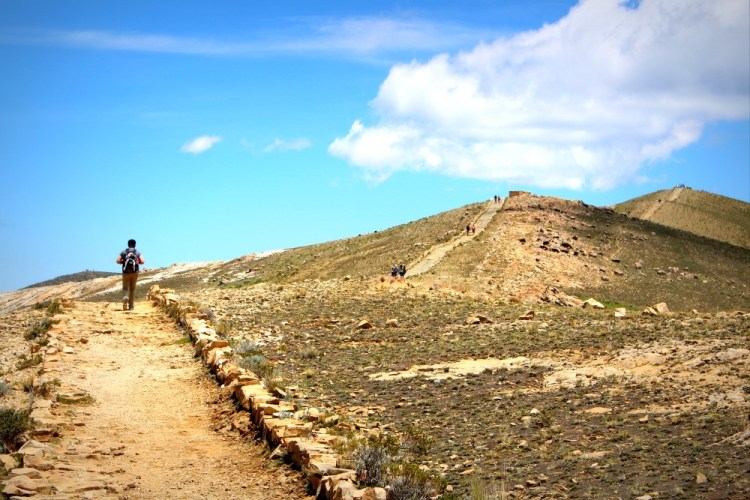
From Arequipa we were off to our last stop in Peru, Puno. Puno is of little interest other than a jumping off point to Bolivia, and we planned to spend less than 24 hours in the small city.
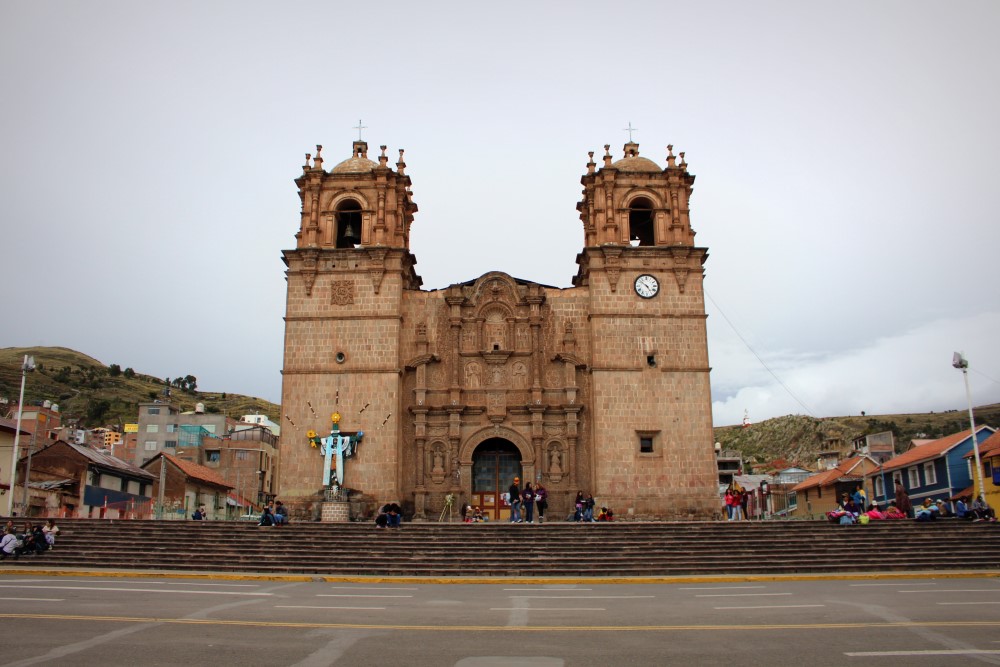
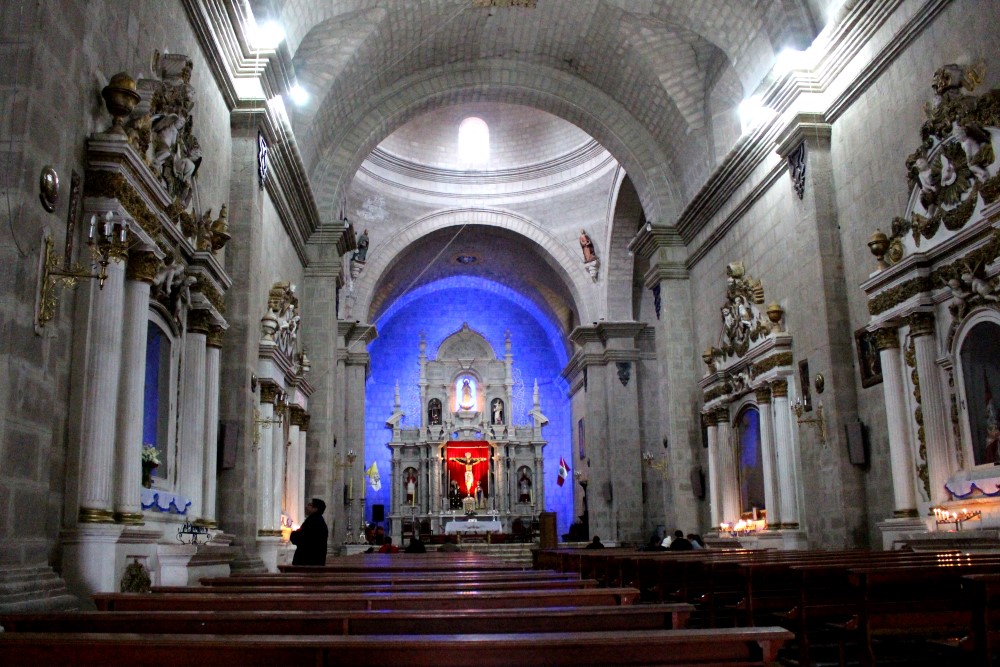
Puno’s Cathedral
Puno also has a Bolivian consulate where U.S. Citizens can get their Bolivian visa. Europeans do not need a visa, but Bolivia has this lovely reciprocity fee for U.S. Citizens; $160 will buy you a multi-entrance visa (though I can’t imagine it’s any easier for Bolivians to go to Europe than to the US). There is an incredible lack of reliable and consistent information regarding obtaining the visa, so rather than waiting for our bus to pull up to the border in hopes of getting the visa on site but possibly getting sent back, we decided to be responsible and get it at the consulate in Puno. We were too late the afternoon we arrived, so already we had to delay our 7am departure the next day to the 2pm bus. We arrived at the consulate at 8am on the dot to find this sign on the door.
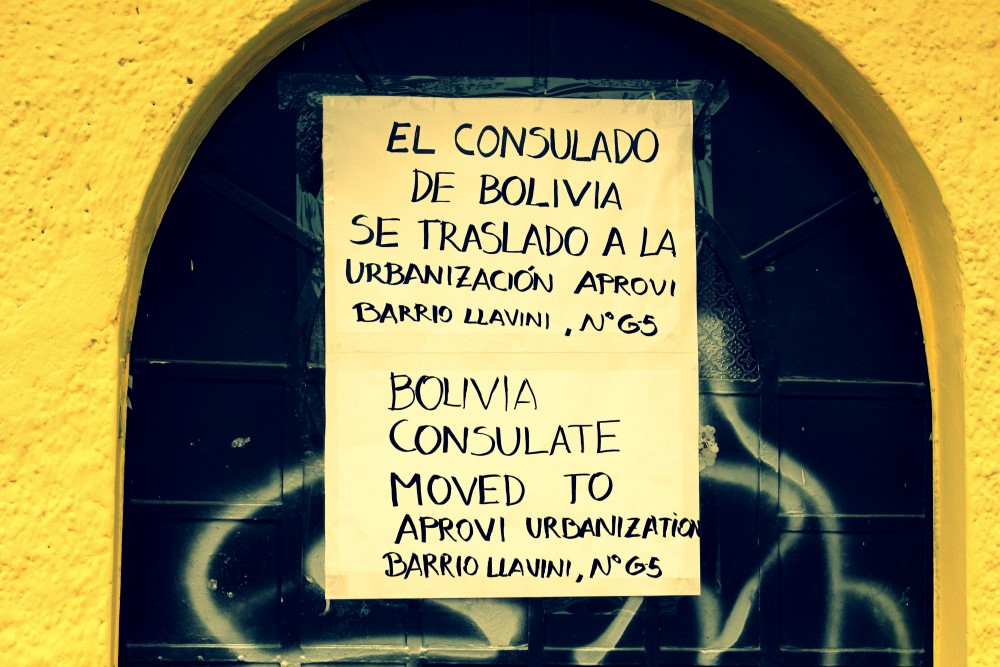
I’m not going to go into great detail about how nobody (police, tour info office, travel companies, taxi drivers) had any idea where this address was, nor how once we found the consulate, we had to taxi back and forth between the consulate and town three times because concise information was unable to be given. I won’t delve into the unnecessary process of conjuring up an “itinerary” of our time in Bolivia, nor the comically large (full-page) copy made of my debit card as proof of having enough money for our trip. I won’t even share a detailed account about how once our $160USD bills were scrupulously inspected (many rejected for such imperfections as a crease) and the visa granted, it was for only five years, despite my conviction it was ten. Conclusion of this story, the visa is easily obtained at the border, no running all over town necessary.
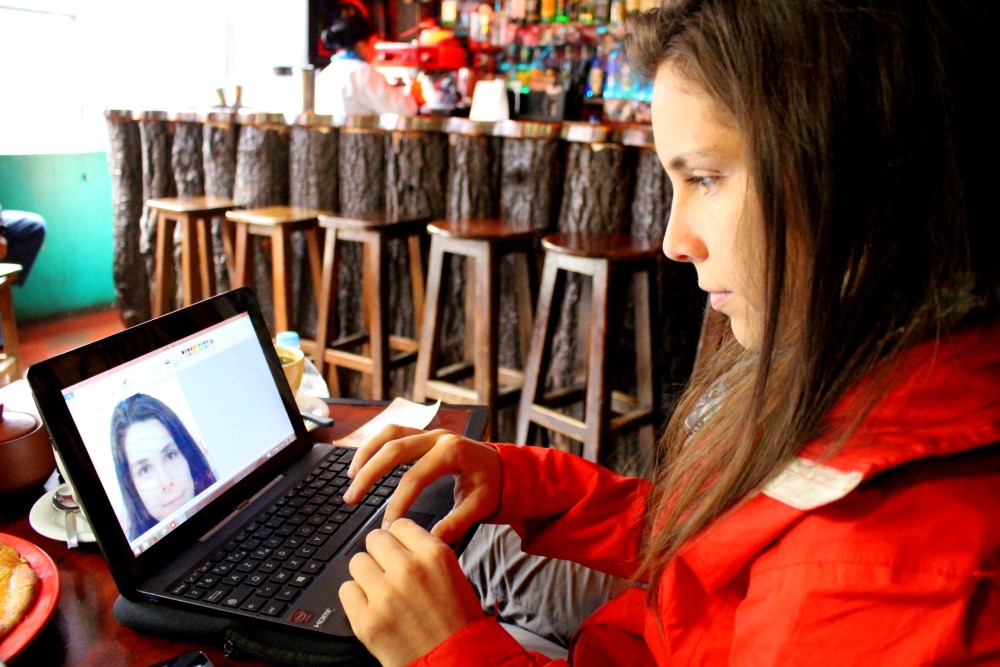 Me editing the blue lines from a scan of my passport photo to have a picture with a white background. This photo was reduced in size to less than 1×1 inch on the application, and luckily due to the quality of the black & white printer, the blue lines running across my face disappeared completely as well.
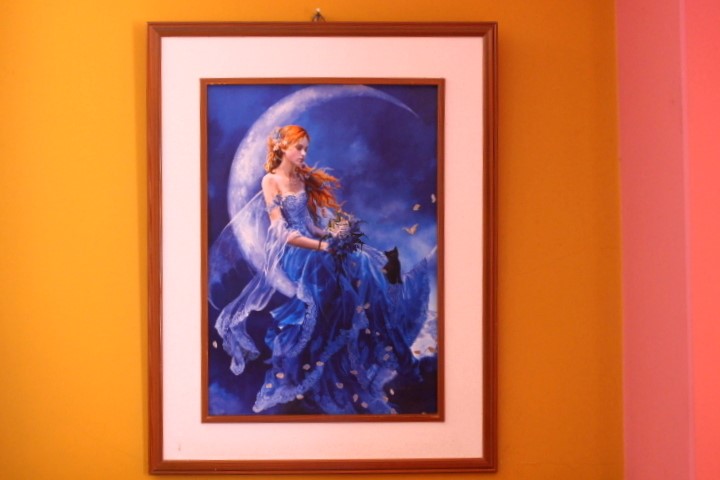 I loved this fantastical painting that hung over our bed at the hostel, especially the black kitten on the fairy’s lap.
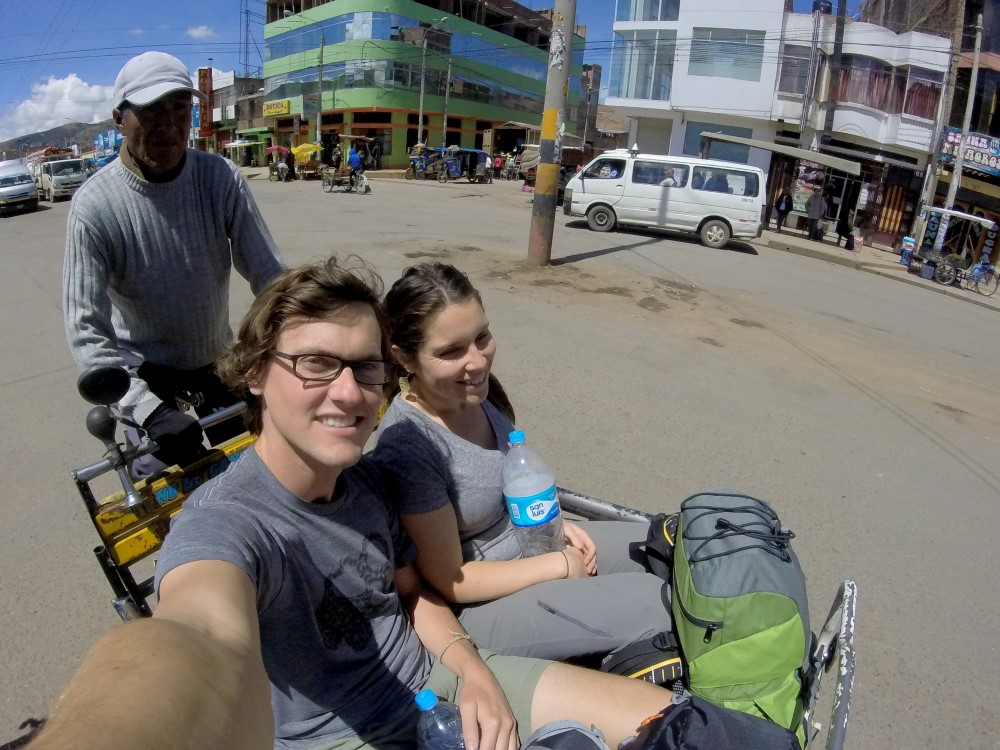 Taking a trici-taxi to the bus. Off to Bolivia!
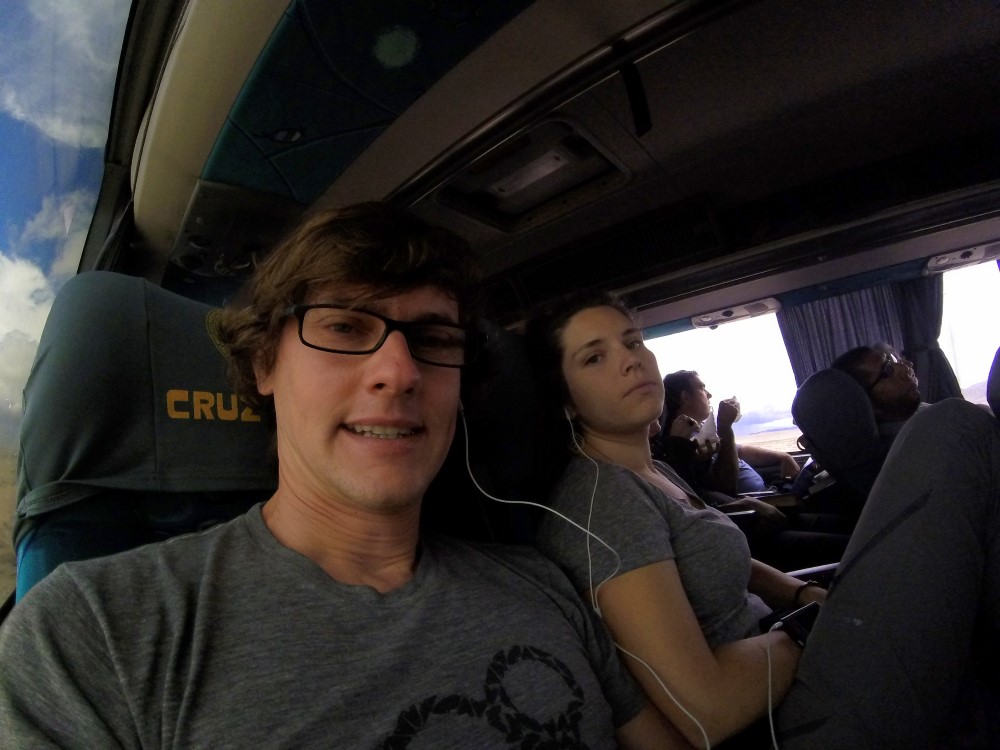
Leaving Peru was not without incident either. Despite being under the understanding that we could stay in Peru up to six months, our thirty-day estimate we had made at 3:00 in the morning when crossing over from Ecuador had put a self-imposed restriction on our time in the country. I had thought the scribble the border-officer had left in my passport was a signature but, it turned out, it was actually a “30,” like an hour-glass on our time in Peru. I tried explaining that the over-stay of our original estimate was due to Julien’s 10-day flu and the fact that we had really enjoyed our time (other than this last day…) in the country. No dice. The officer held up a serious-looking MULTA (fine) document of a fellow clueless traveler, a Japanese guy who somehow racked up a $435 fine (I’m so curious as to what his story was!) as proof, I suppose, that we weren’t the first hapless travelers who overstayed their self-imposed limit. We had to tuk-tuk to the nearest national bank five minutes away, fork over $36USD ($1 per person per day stayed over) using the last of our acceptable (read pristine) US 20s, make duplicates and triplicates of aforementioned MULTA document, using the change from our fine as we had carefully spent the last of our Peruvian Soles and did not yet have Bolivianos, before getting an angry red EXCESSIVE STAY stamp in our passports in addition to an exit stamp. Upon entering Bolivia it was confirmed that my visa granted was but half the time it should be, an issue I later found out in La Paz I would have to take care of once back in Paris. We were, no surprise, the last passengers back on the bus to Copacabana, Bolivia. January 20, 2016 was one for the fire pits.
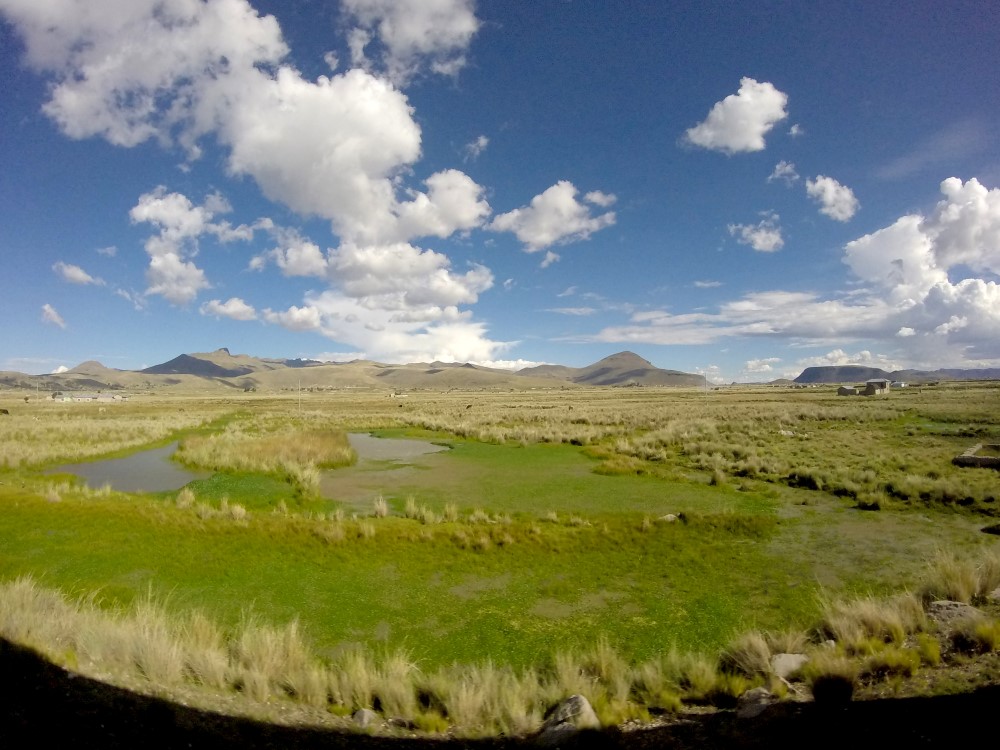

New day, new country, new energy! The next morning, we headed out to the Isla del Sol, one of the most important religious sites in the Andean world located on the largest freshwater lake in South American and the highest in the world (at 3,812 meters – 12,507 ft), Lake Titicaca. We were surprised the 12km boat-trip was estimated to take three hours (Julien calculated it was about the speed of walking), but it all made sense as the boat revved up its one 25 horse-powered engine, sluggishly nearing the 100ish passengers to their much-anticipated destination.
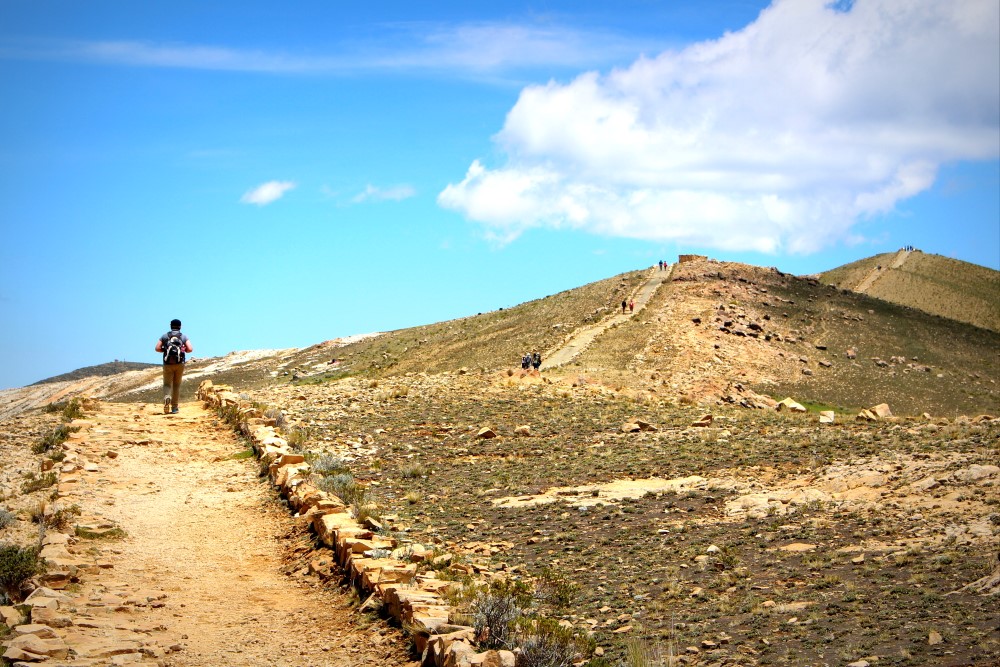
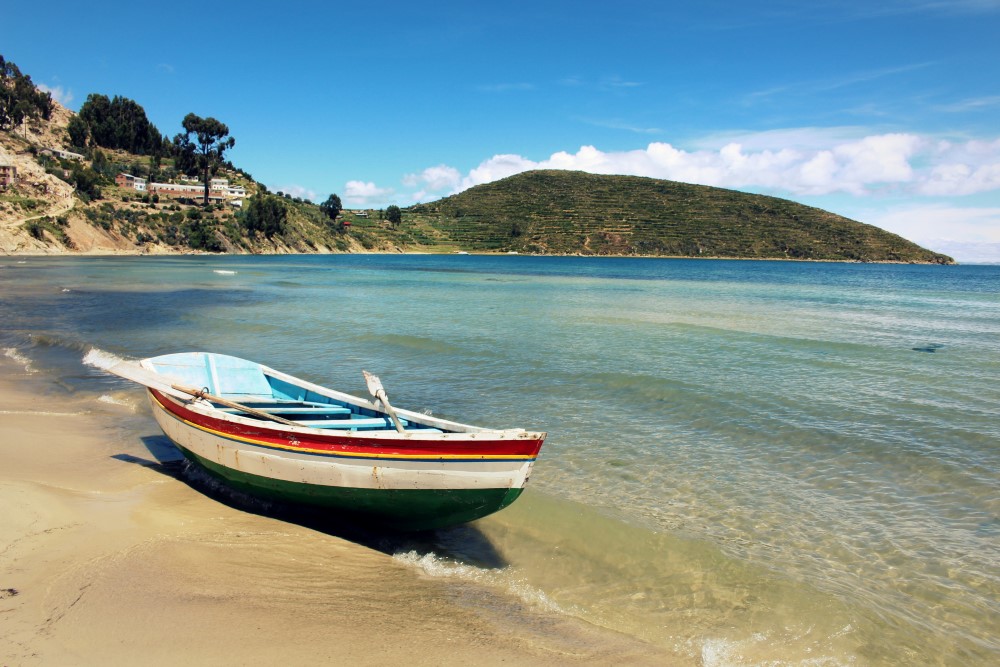 We were dropped off on the northern end of the island where we hopped on a walking tour to visit the sacred areas of the northern section. Then it was a two and a half hour hike to reach the southern end of the island where we would sleep for the night.
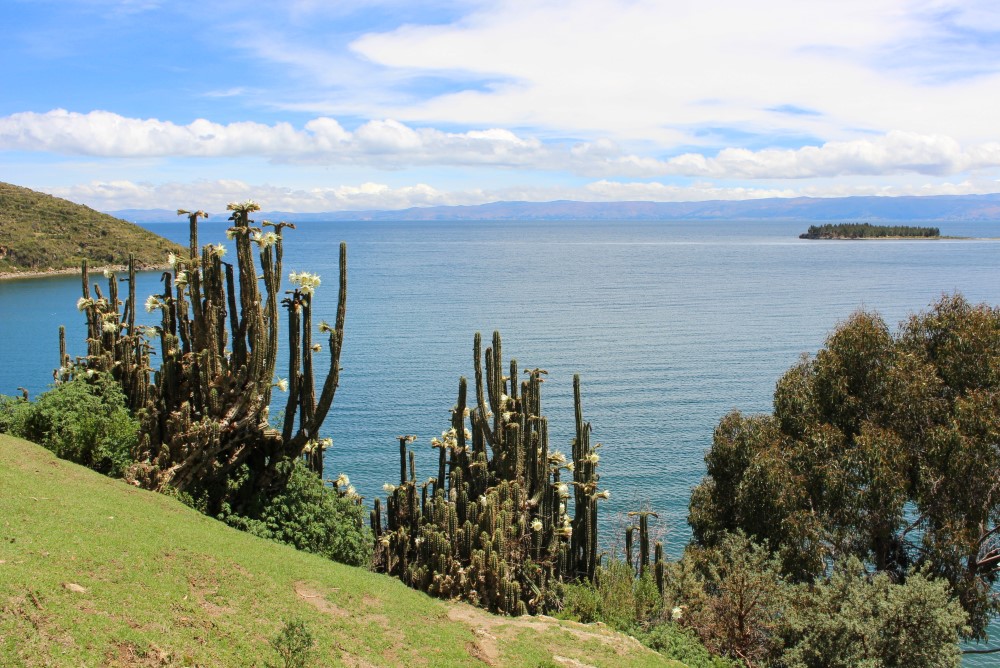
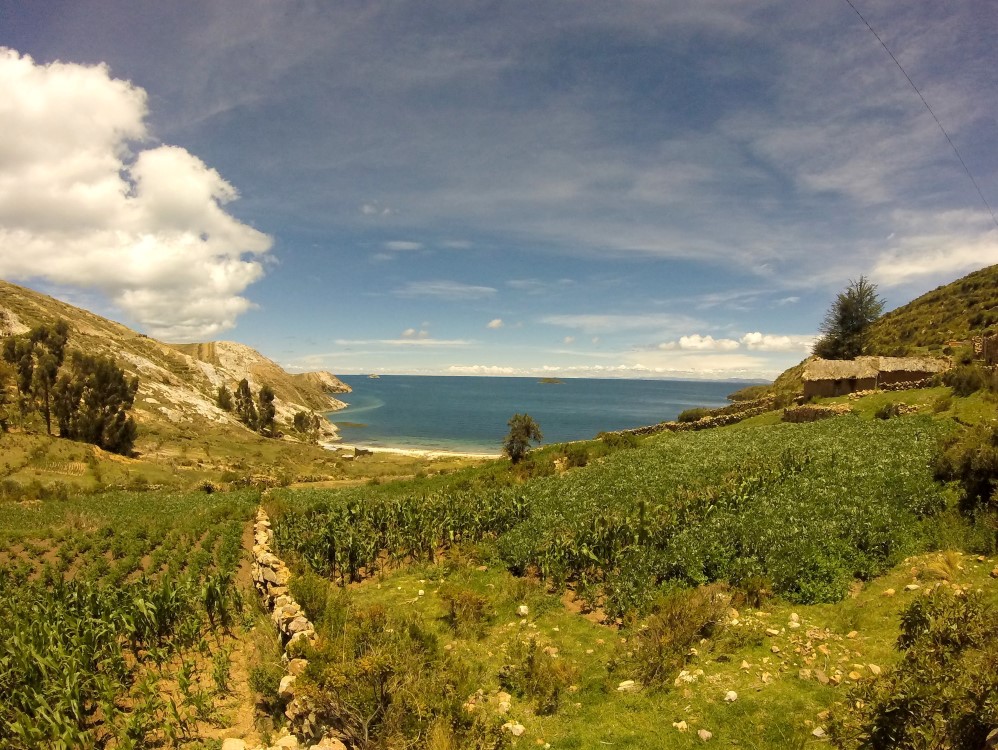 About 3,000 people live on the island, subsisting off their own crops and tourism.
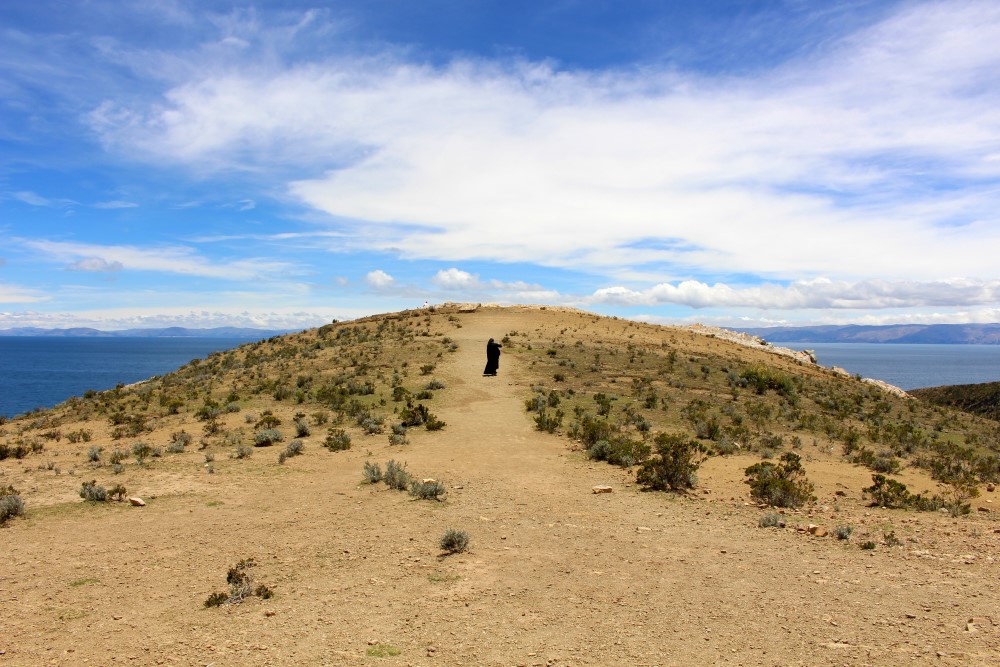 Nun on the island
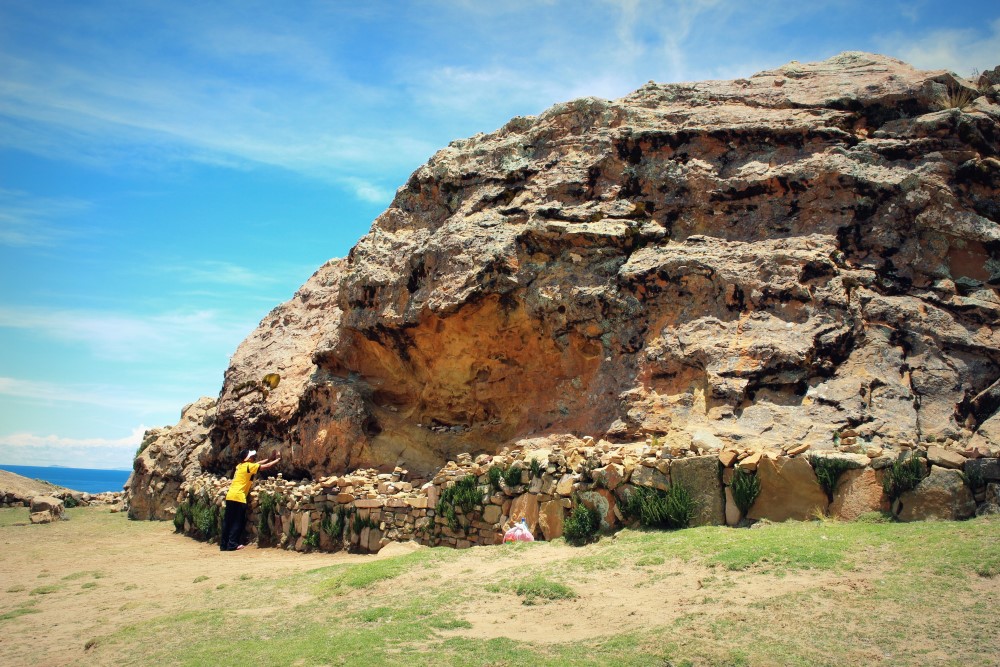
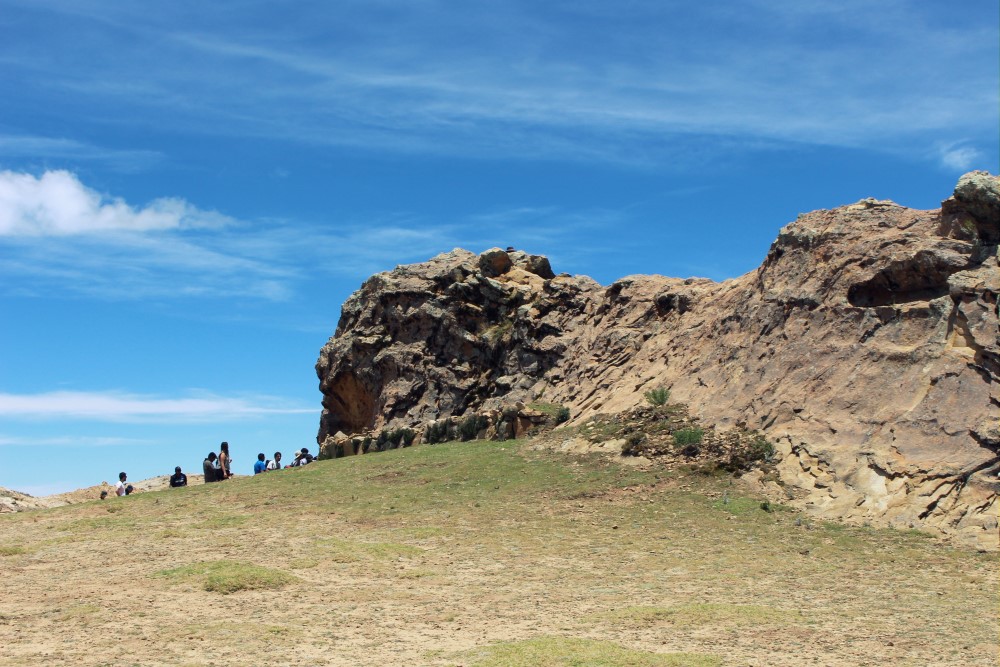 The Rock of the Puma, or Titi Kharka, after which the lake is named. Once a pilgrimage site, we were encourage to circle round this sacred rock and place our hands on it to change our energies
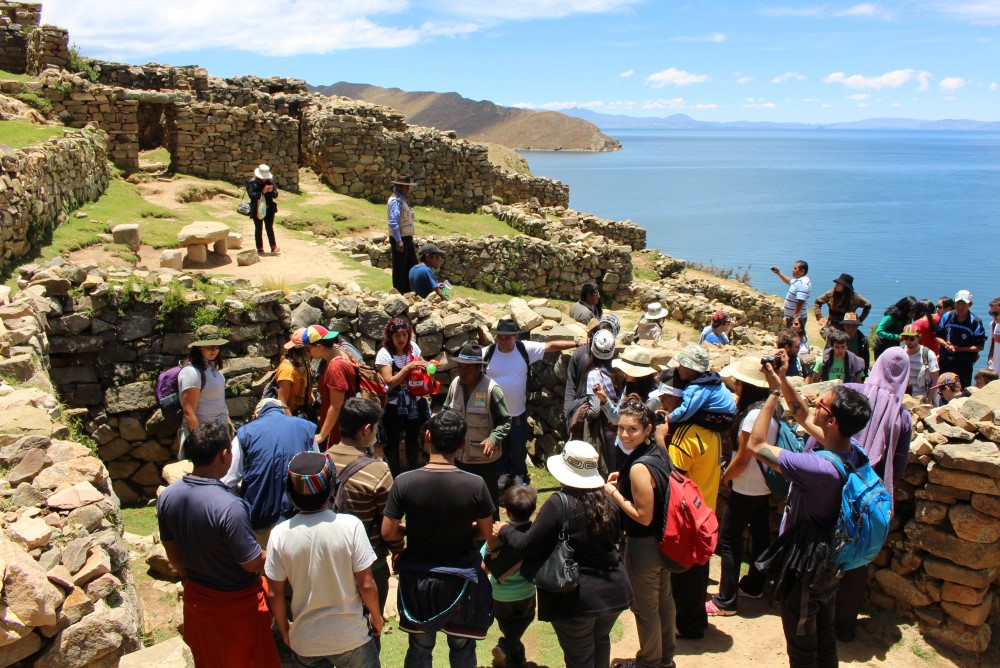
Gathering around a fountain of youth to splash youthening waters on our face.
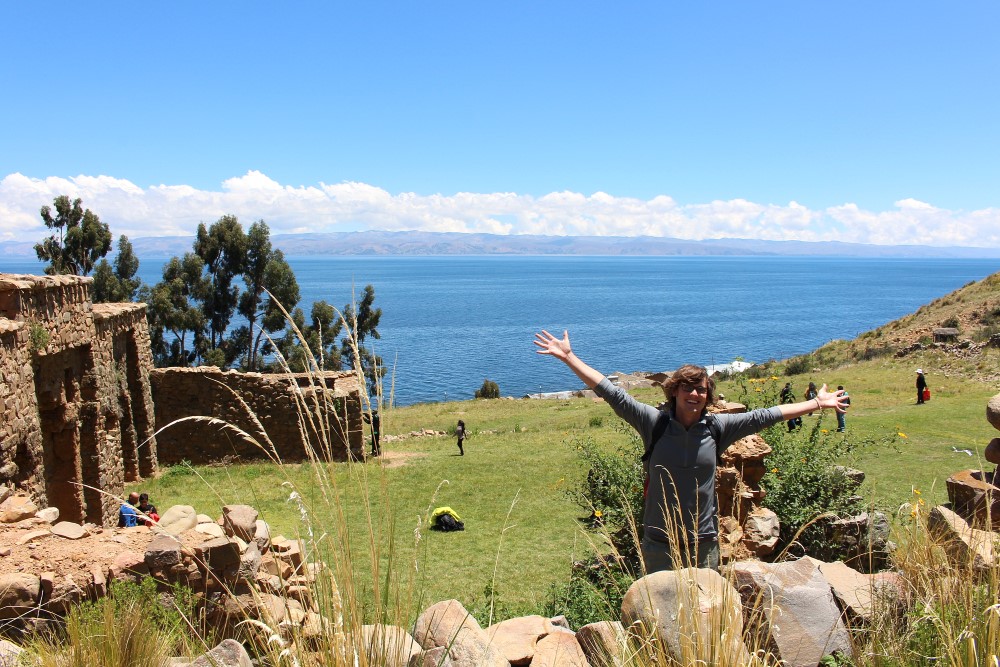
 Pre-Incan Temple

Starting our 2 ½ hour walk
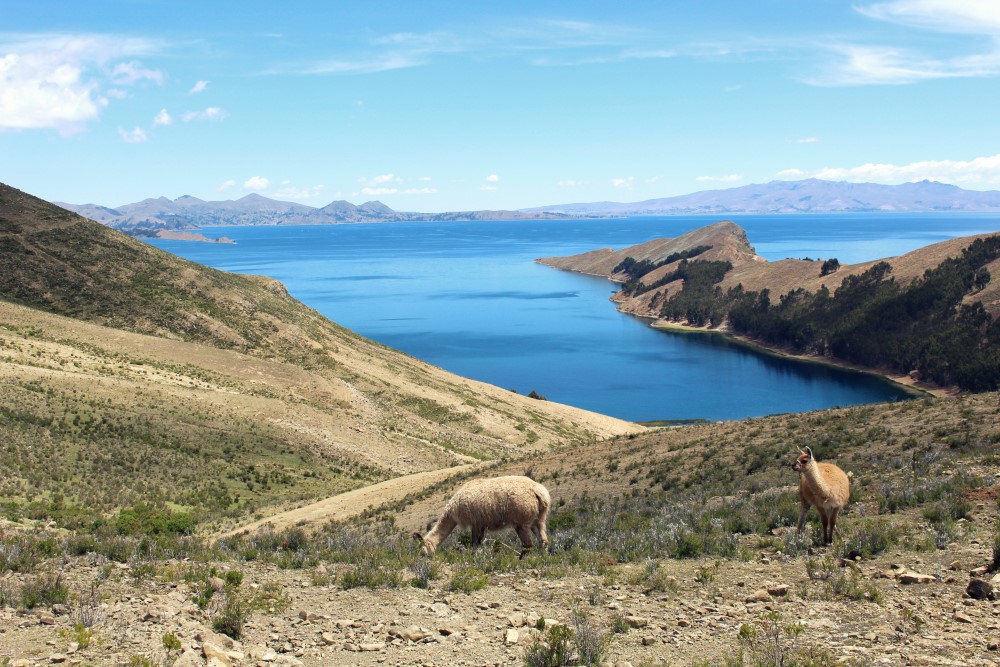
Llamas!
 Tourists love piling rocks on rocks.
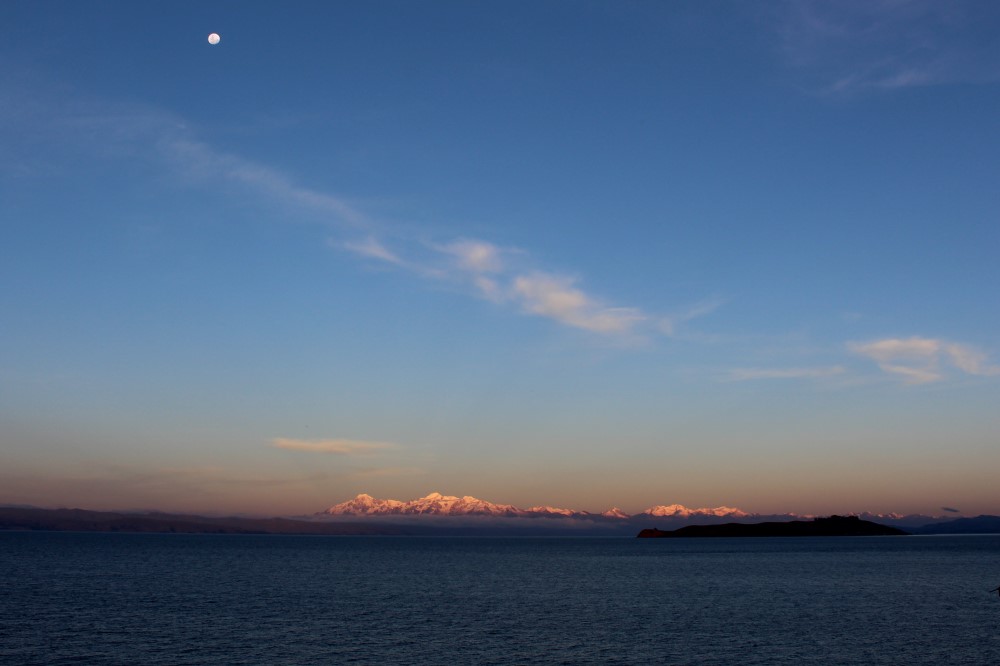 The view from our hotel on the southern end of the island. Isla de la Luna is the dark figure in the water, and the mountains the snow-capped Cordillera Real of the Andes.
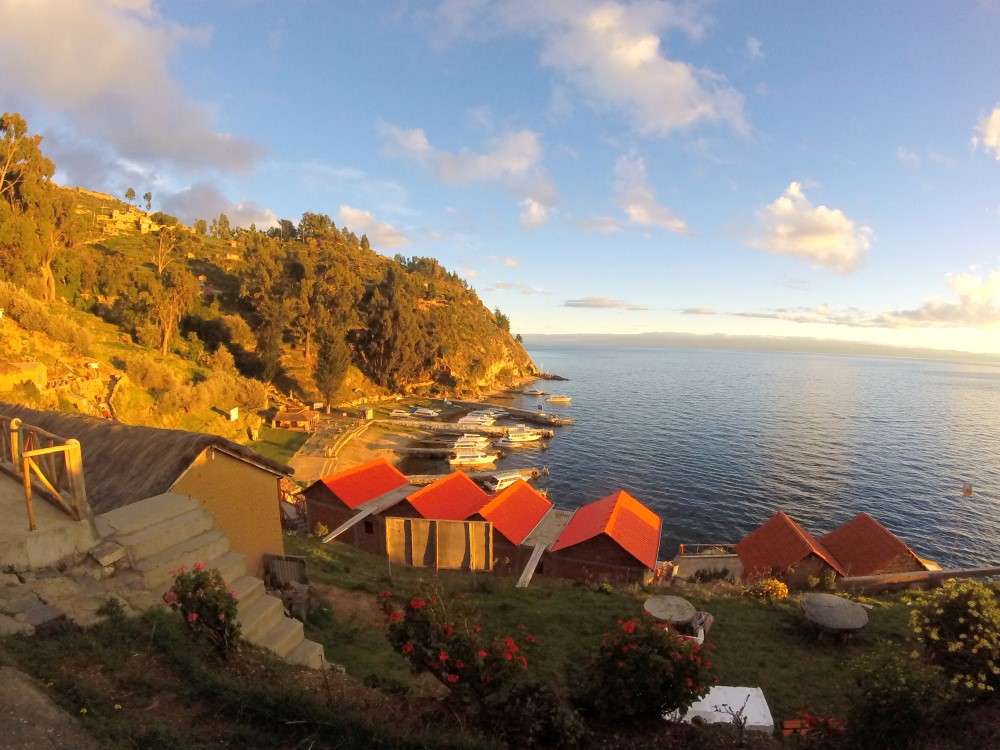 Sunrise on Isla del Sol
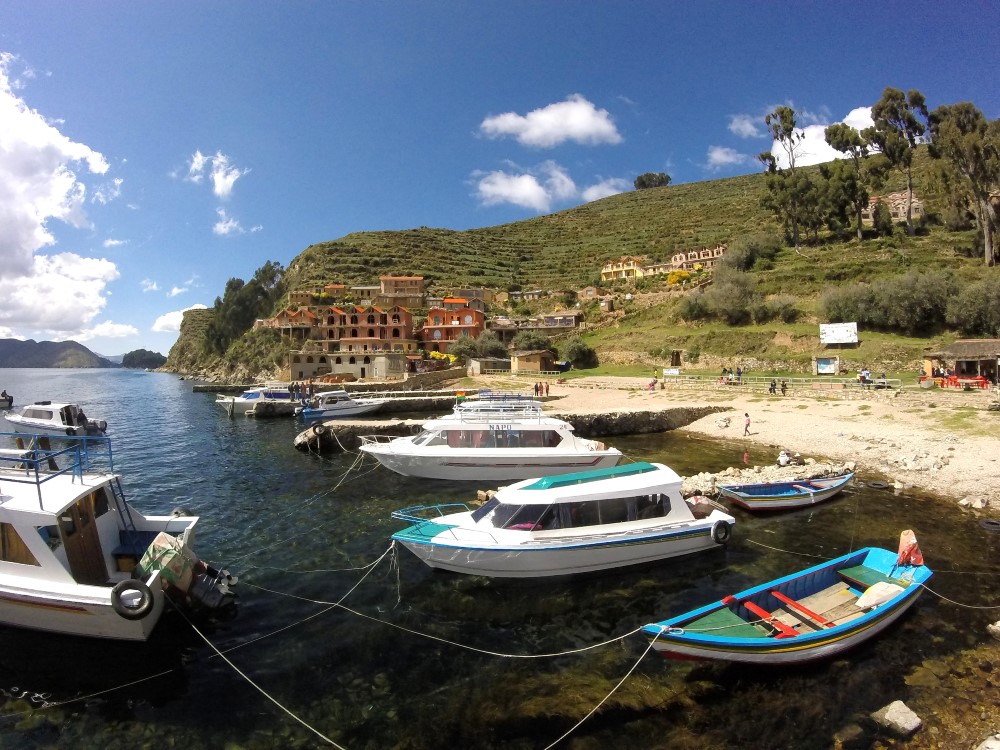
Our hotel was the uppermost one to the left.
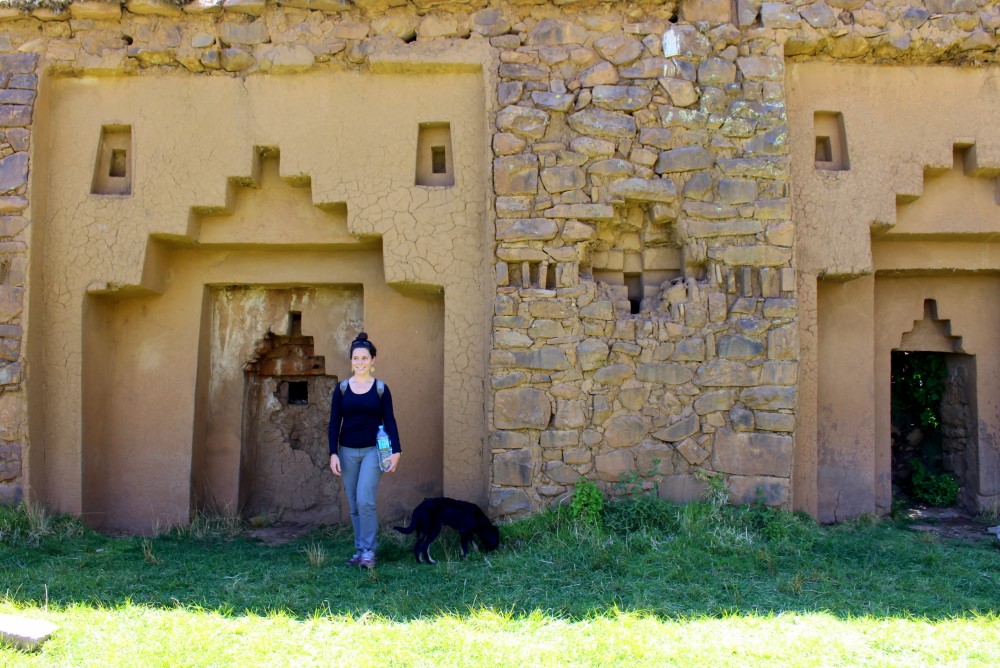 Isla de la Luna; much smaller than Isla del Sol, only 25 families live here.

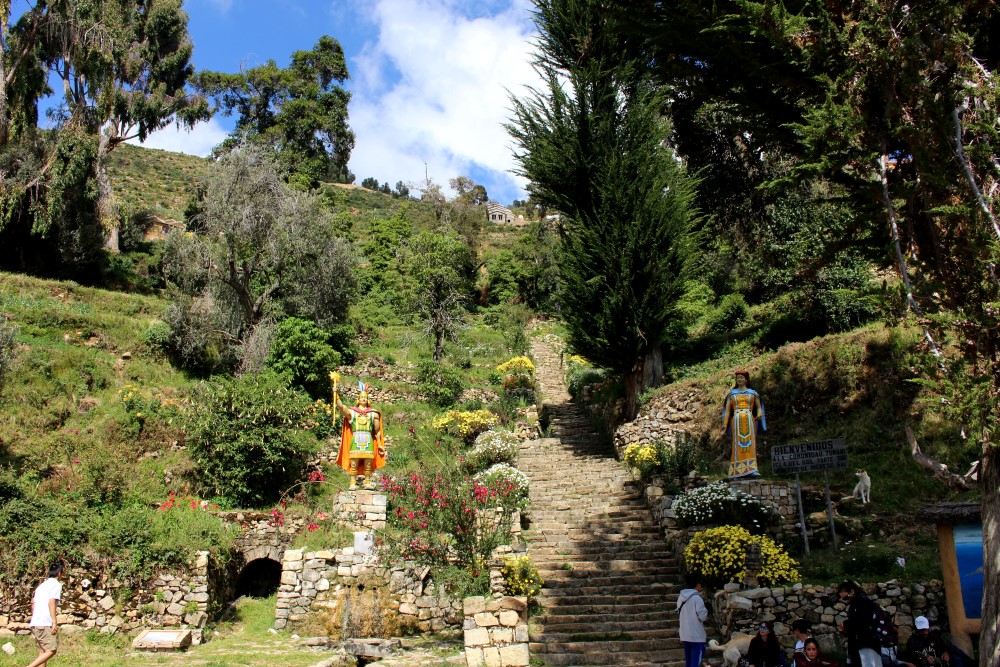
Back on Isla del Sol awaiting our boat back to mainland Copacabana; this is known as the Incan Staircase.
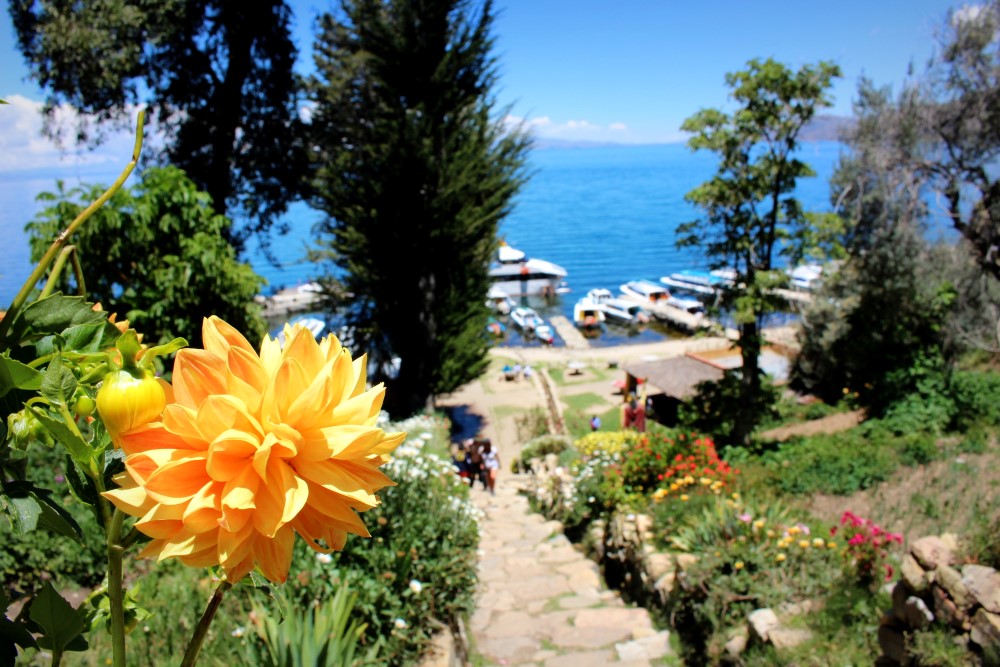
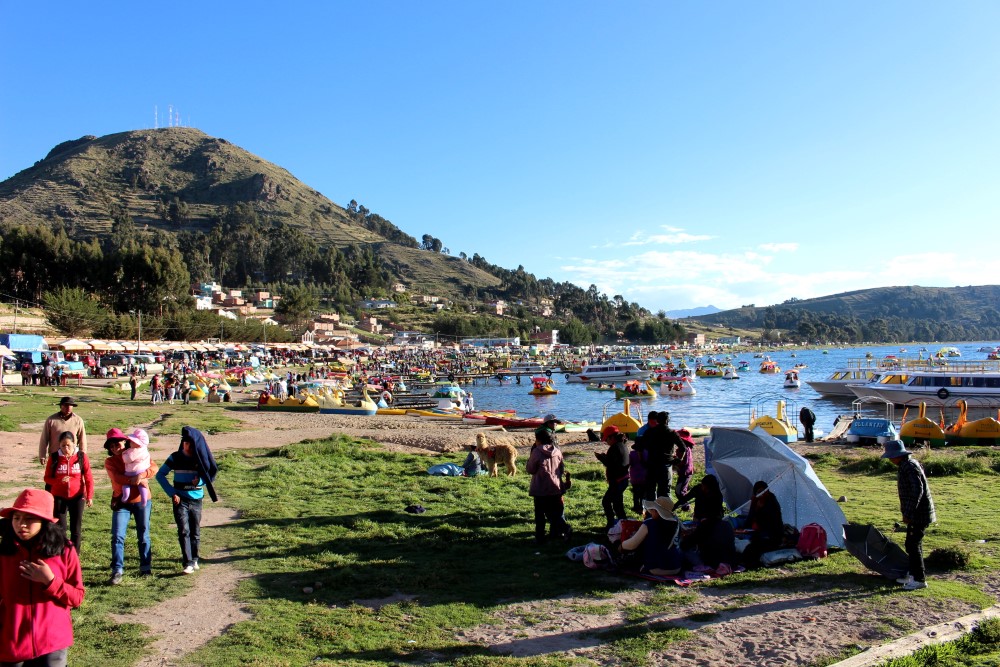 Copacabana is certainly geared toward tourism, the lake activities filling up the bay.
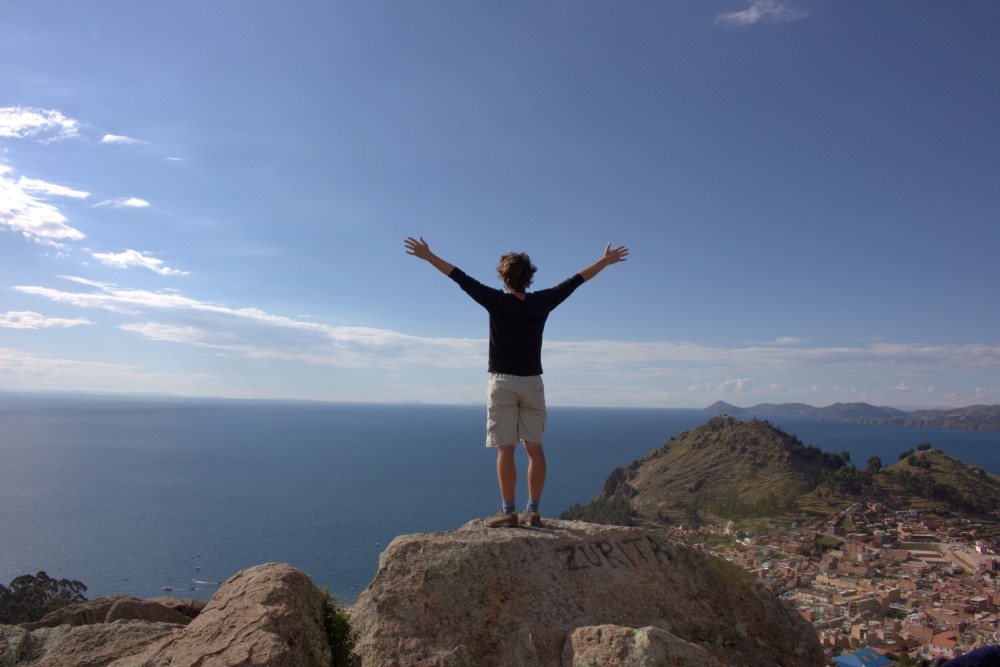 We climbed about 30 minutes to the top of the Horca del Inca, an Incan observatory overlooking Copacabana.
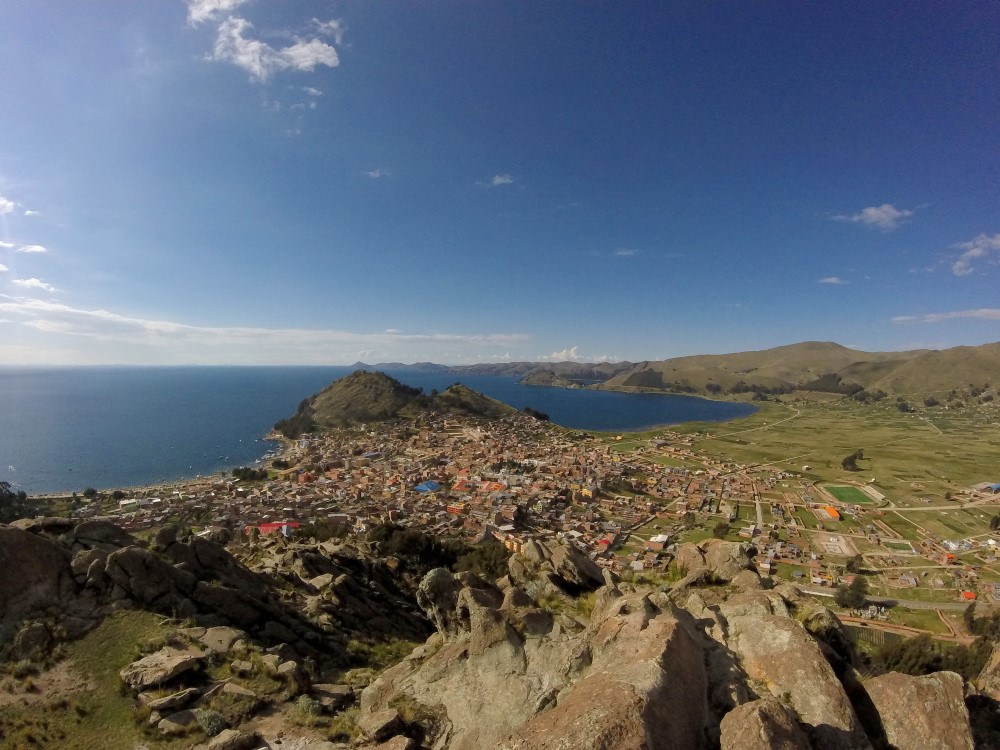 Isla del Sol can be seen off in the horizon
Copacabana, the city that gave its famous cousin in Brazil its name.
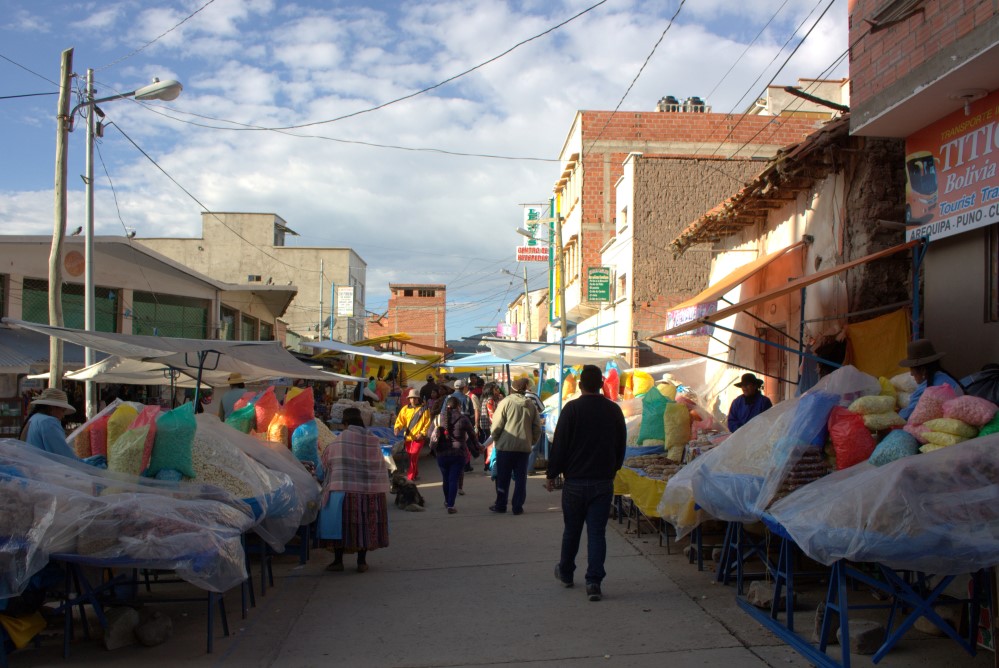
Humongous piles of popcorn
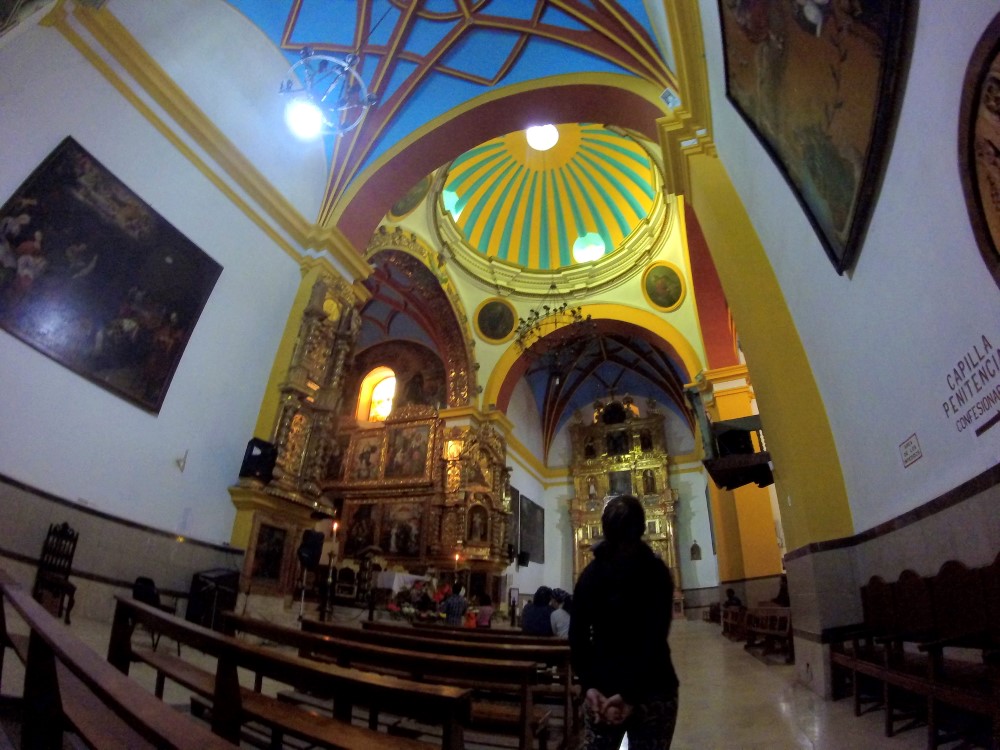 Copacabana Cathedral
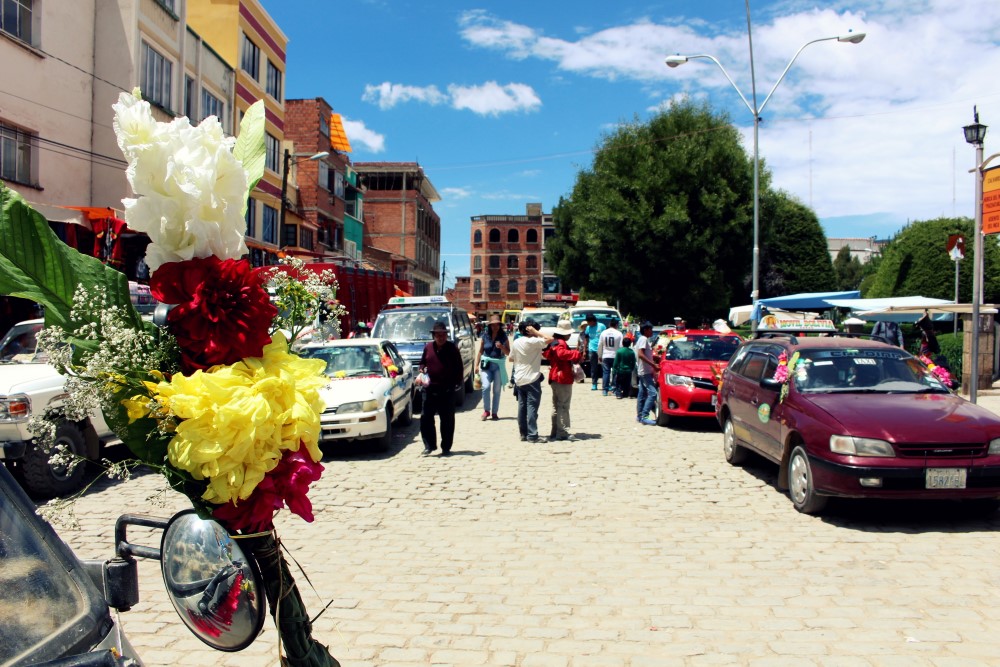
Copacabana is a pilgrimage for those who wish to bless their vehicles. Every day long lines of cars donned in flowers, top hats, and ties await a priest to come by and bless each section of the car (engine, tires, seats, …). Many foreigners can’t help but comment that more cautious driving and car insurance could also go a long way.
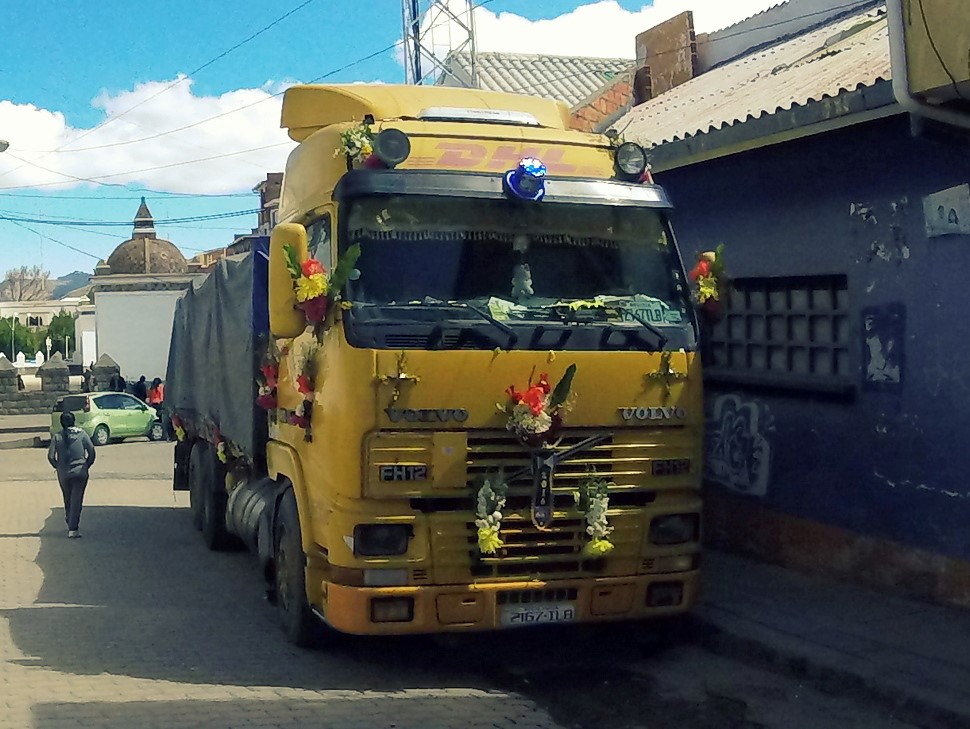
Click here for a video recap of our adventures in Copacabana and the Lake Titicaca.
 This Framerican Life
Oh la la qu’est-ce qu’il est beau le lac ! On dirait la mer ! Il y a un petit air de ressemblance avec l’autre Copacabana.
Bisous
LikeLike