
From Vicuña we headed another eight hours south to Santiago, Chile’s capital. Our good friend Loreto, with whom I lived in Bourges my first year in France, lives in central Santiago with her three-year old (also Santiago) and husband Felipe, and she generously invited us to stay in her apartment. The next day we hopped on a walking tour and immediately took to the beautiful metropolitan capital.
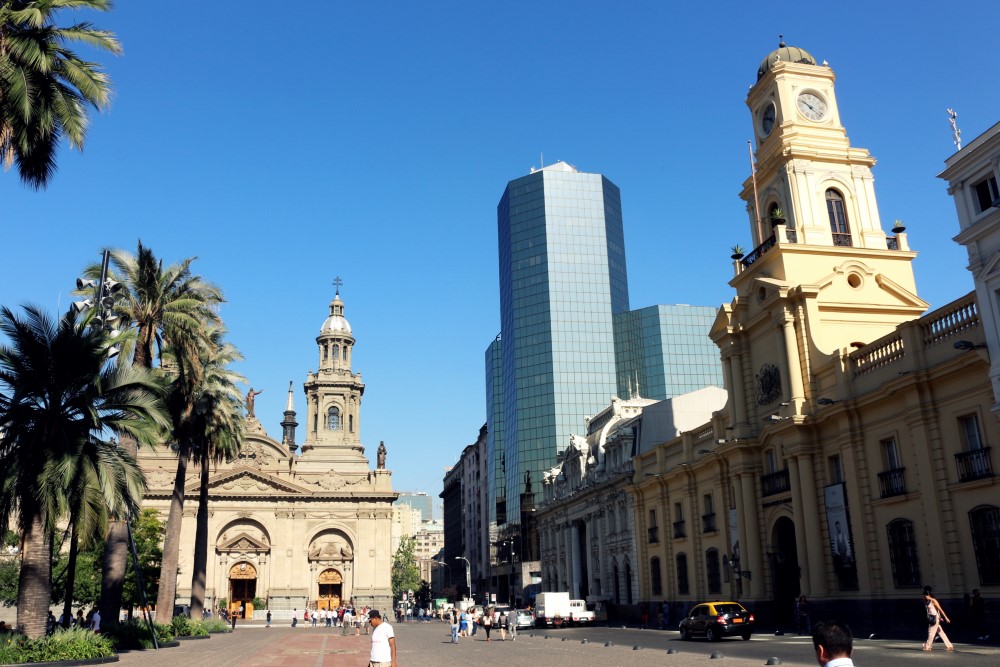 The central plaza, with the cathedral to the left (destroyed many times since its original completion in 1800 by earthquakes, fires, and attacks); the tiny, stately building to the center-right used to be the president’s house. Today the presidents live in their own homes and there is no designated president’s house and this building is now the post office.
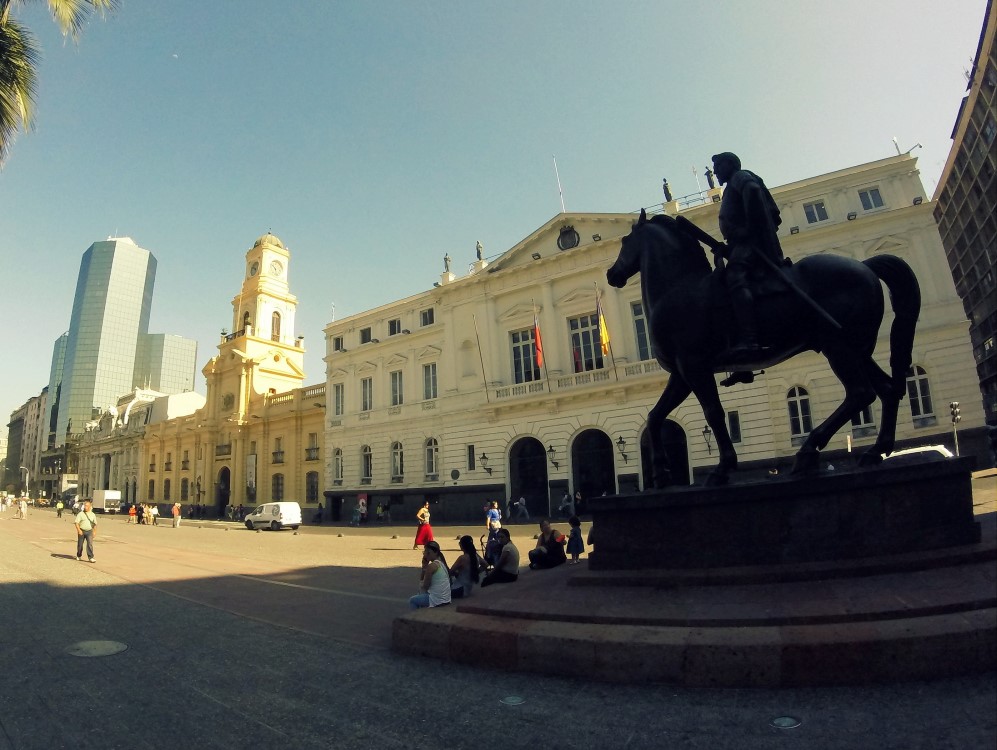 A statue of Valdivia, the Spanish conquistador who founded Santiago in 1541. The statue shows him atop a horse, though the absence of reigns symbolizes that he did not actually have a handle on Chile.
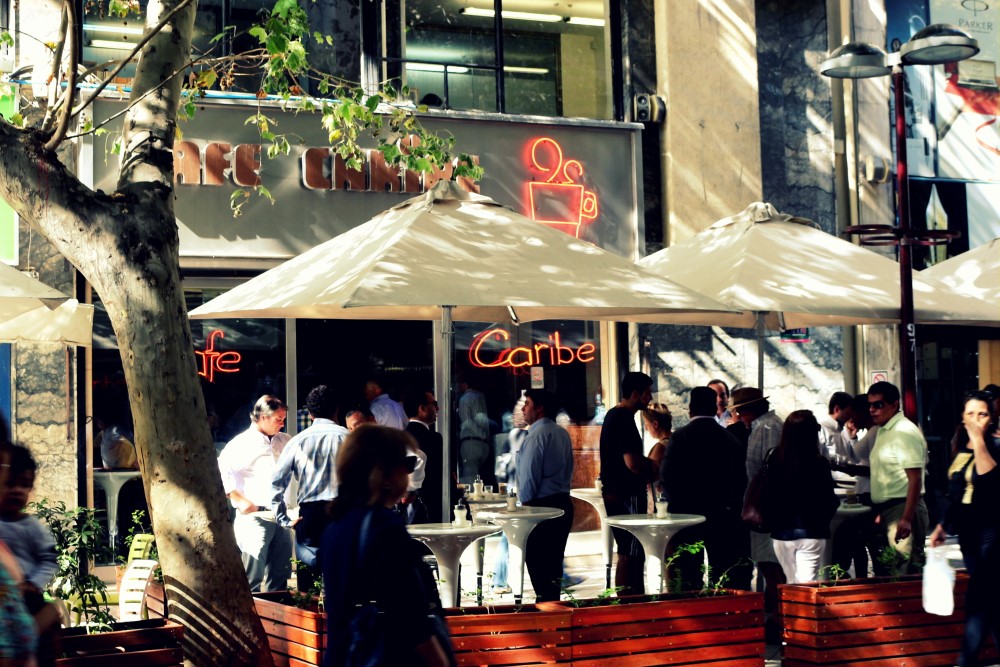 A “café con piernas,” coffee with legs, a Hooter’s of sorts for cafes. Waitresses are scantily dressed and patrons stand at tall tables (no chairs, to avoid day-long loiterers) while enjoying their coffee and perhaps some legs.
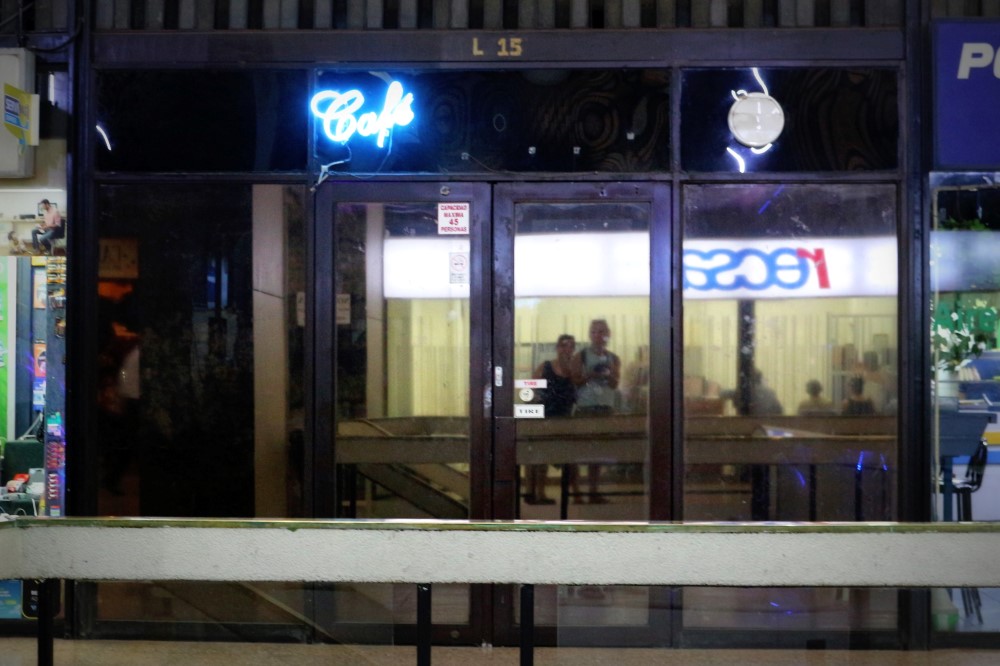 An x-rated version of the cafe con piernas with relective windows to keep what is going on inside inside. Still only coffee and small snacks are served.
 La Moneda, originally built to house the Royal Mint, is now the president’s office.
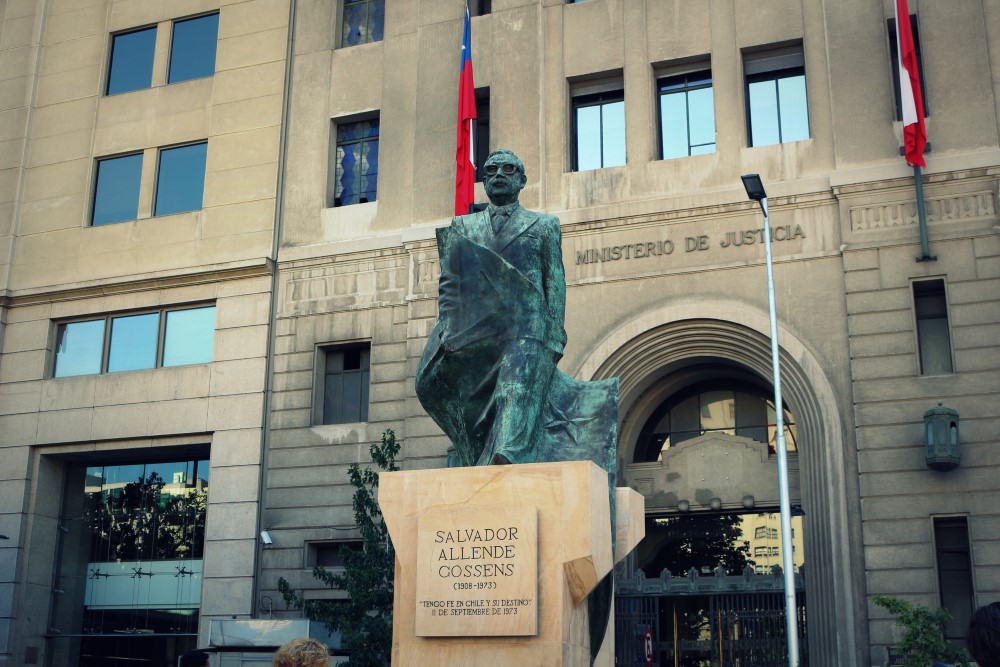 Monument to Salvador Allende, Chile’s democratically-elected, socialist president who died in the 1973 military coup.
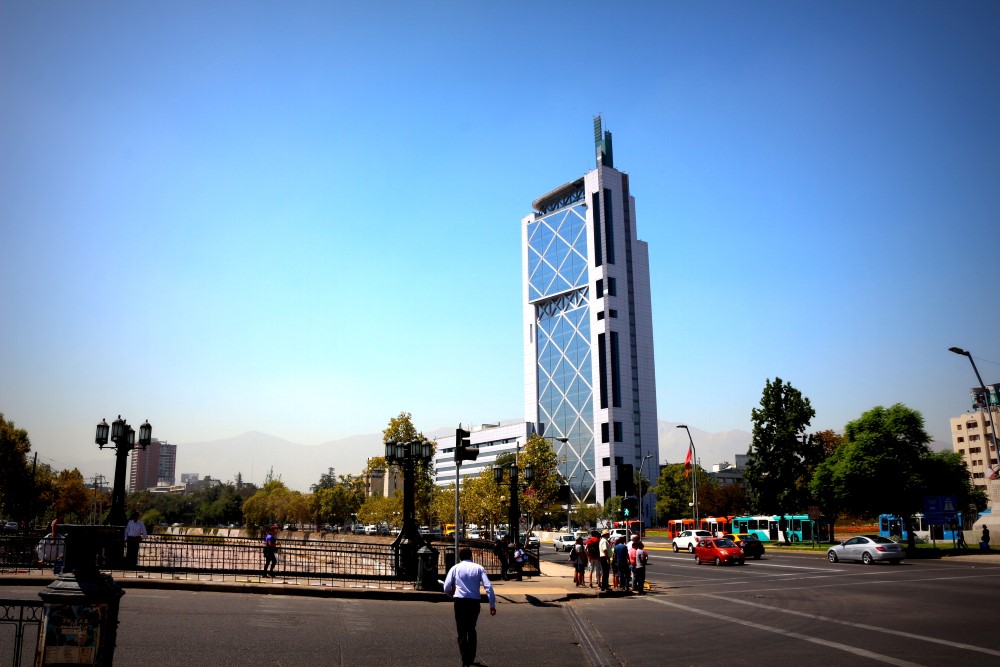 Torre Telefónica Chile, completed in 1995 it was designed to look like a cellphone, complete with the battery pack in the back.
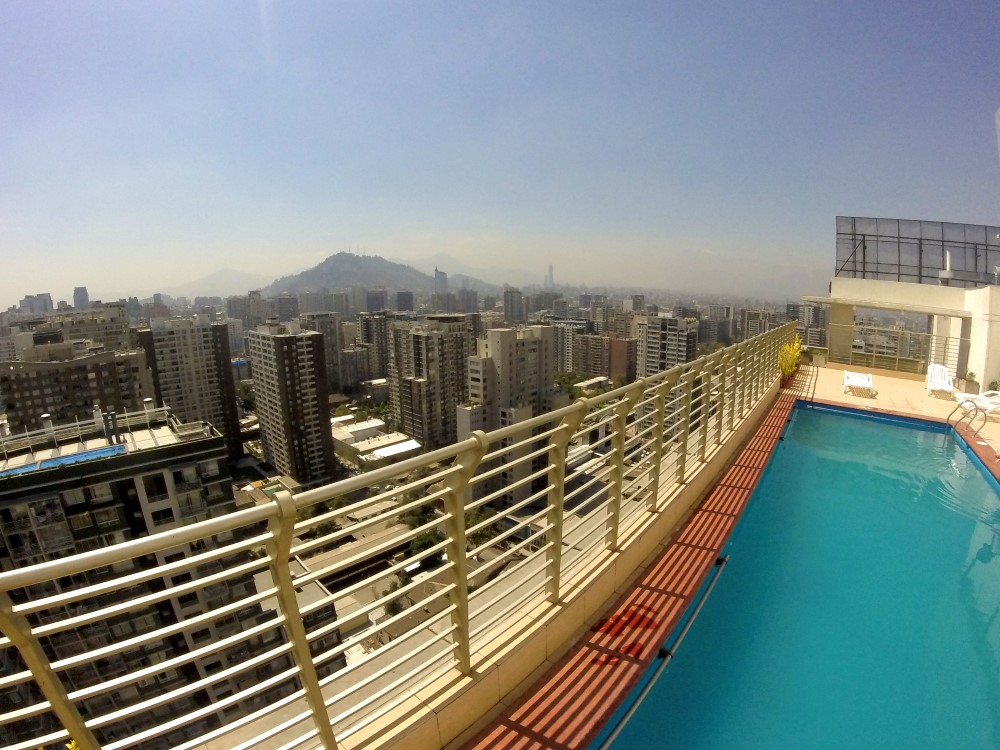 Views from our rooftop, Cerro San Cristóbal peeking out of the city high-rises.
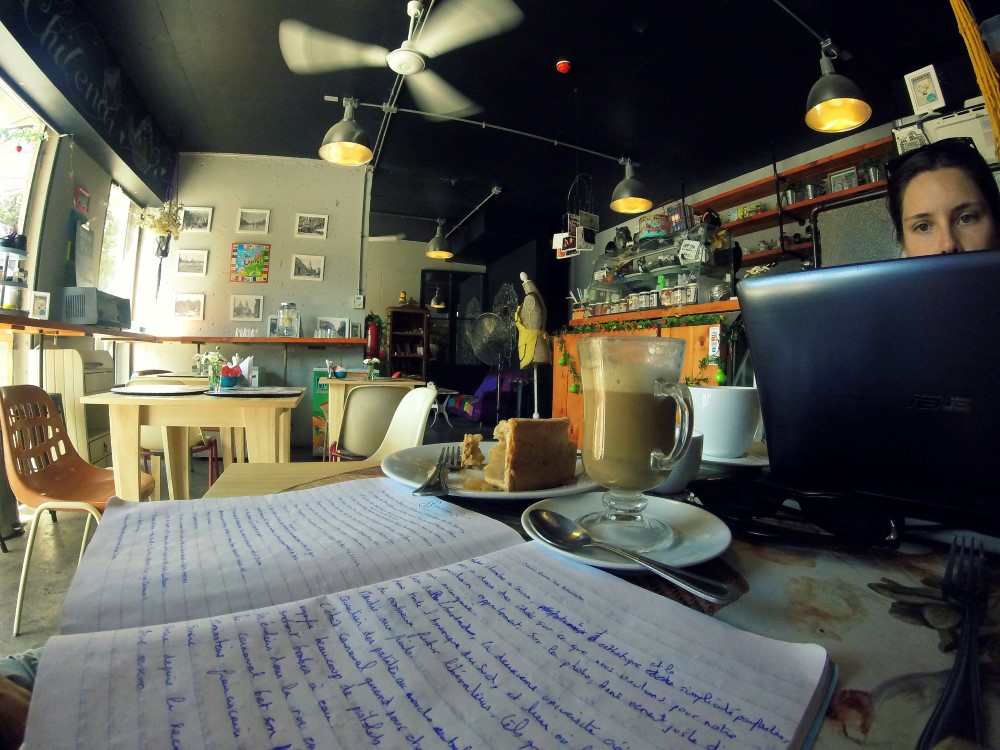 Cafe workplace
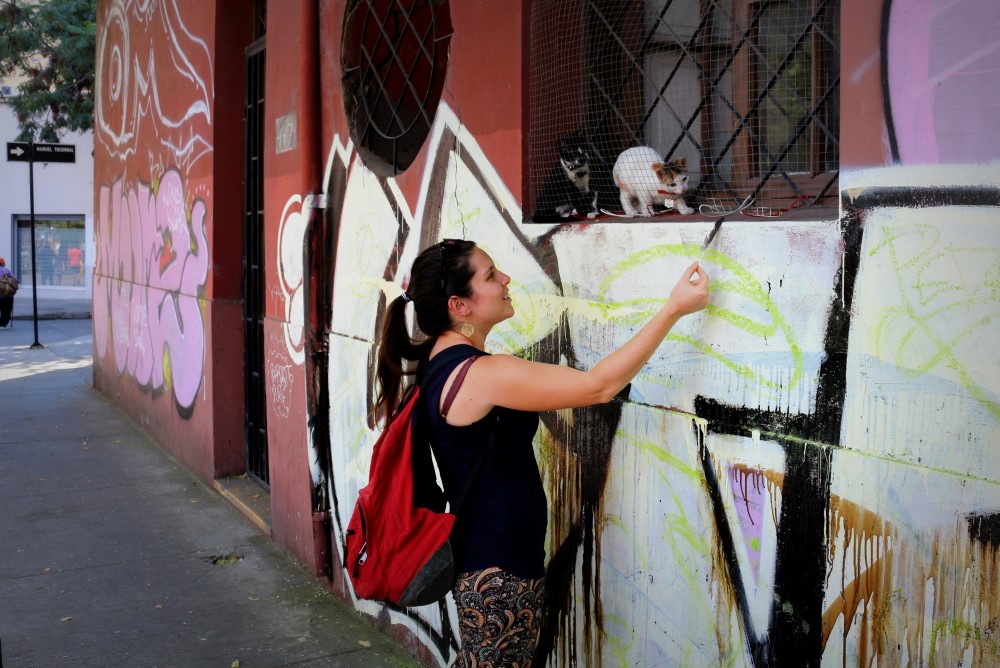 What better street-side surprise than two feisty kittens in a windowsill?
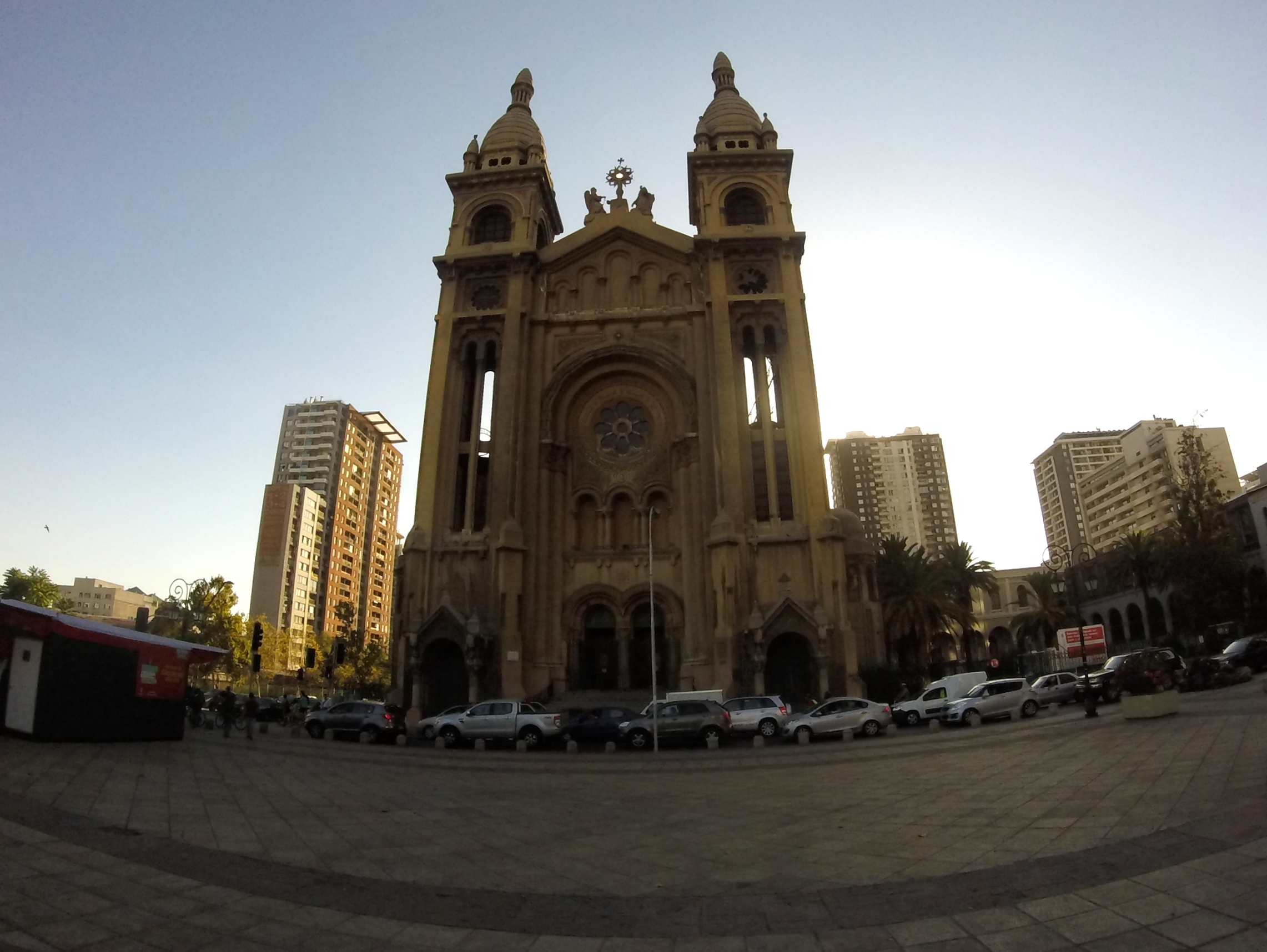 Basílica de los Sacramentinos
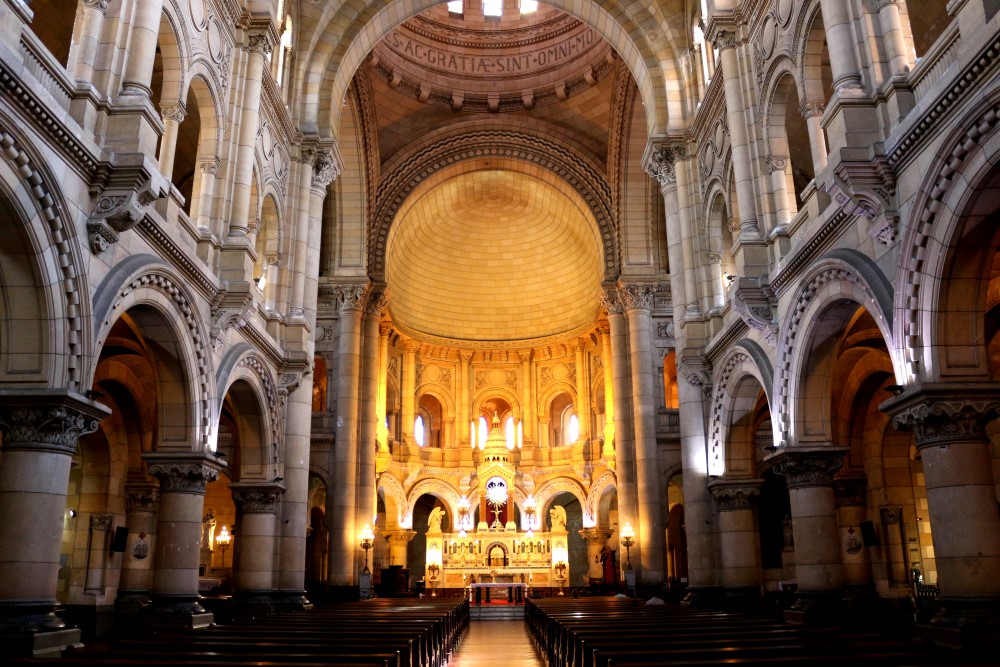
 Sacré Cœur, Santiago?
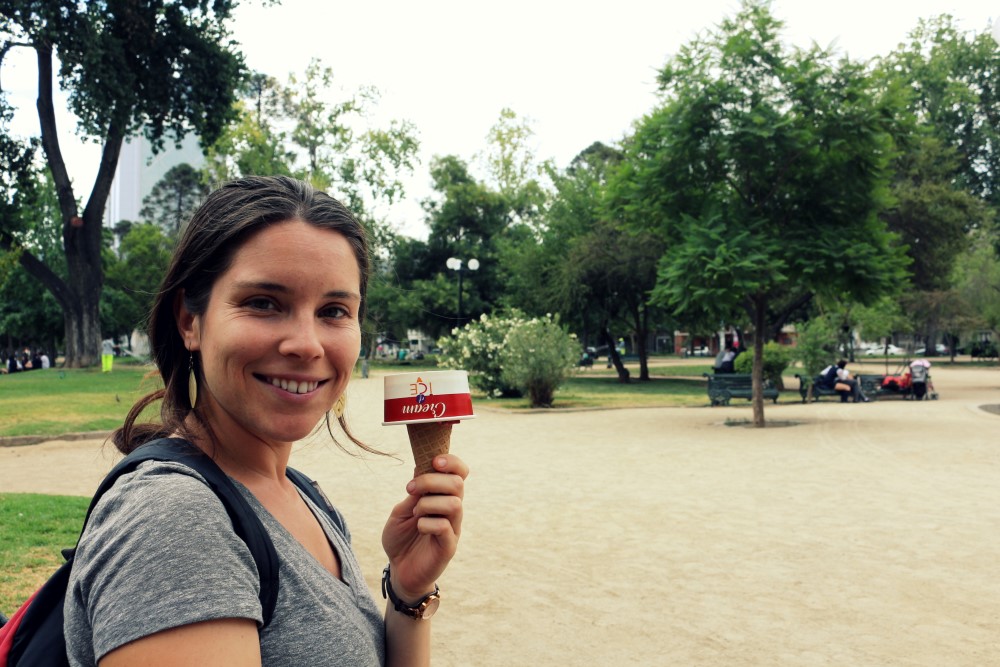 Chile consumes more ice cream than any other Latin American country (about 8 liters per year, per person) and ice cream cones often came in a dish, I assume to lose not one drop.
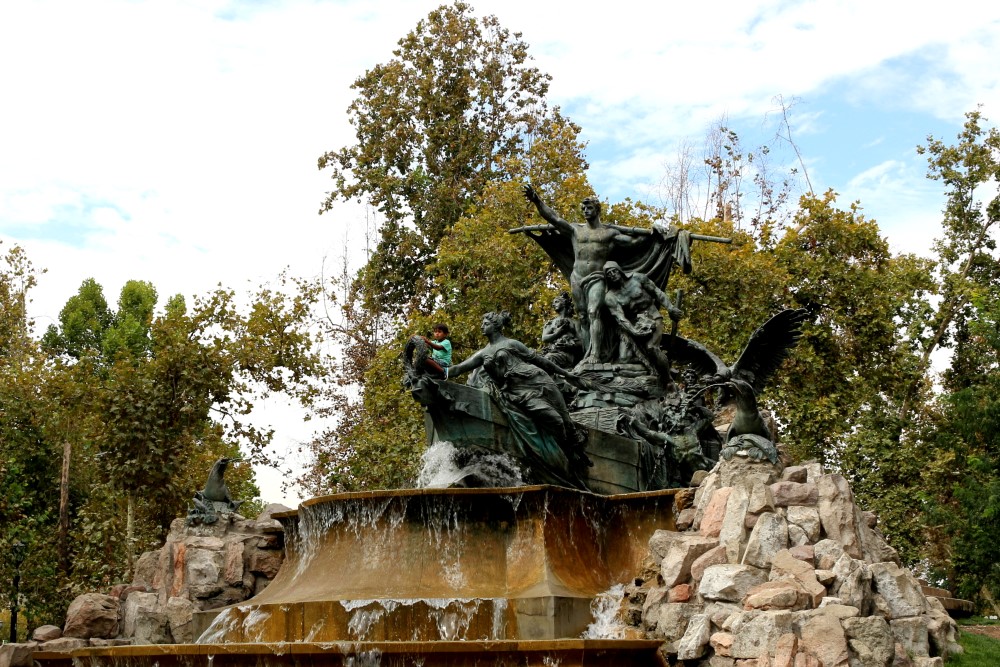 Germany’s gift for Chile’s centennial, a fountain depicting the first Germans arriving on Chilean shores, sea lions and condors placing the fountain geographically.
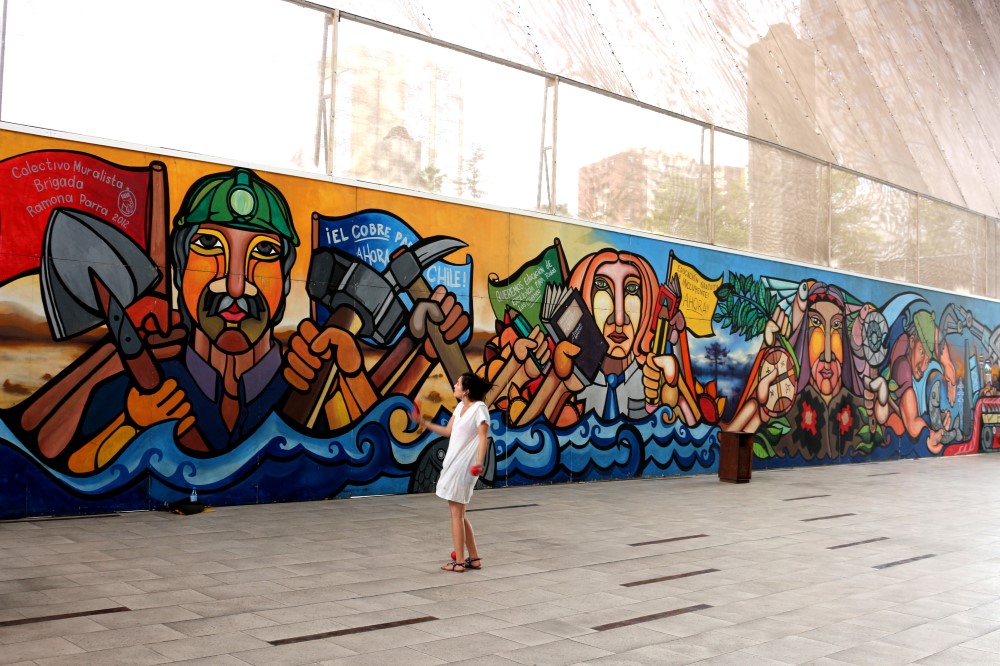 Centro Cultural Gabriela Mistral
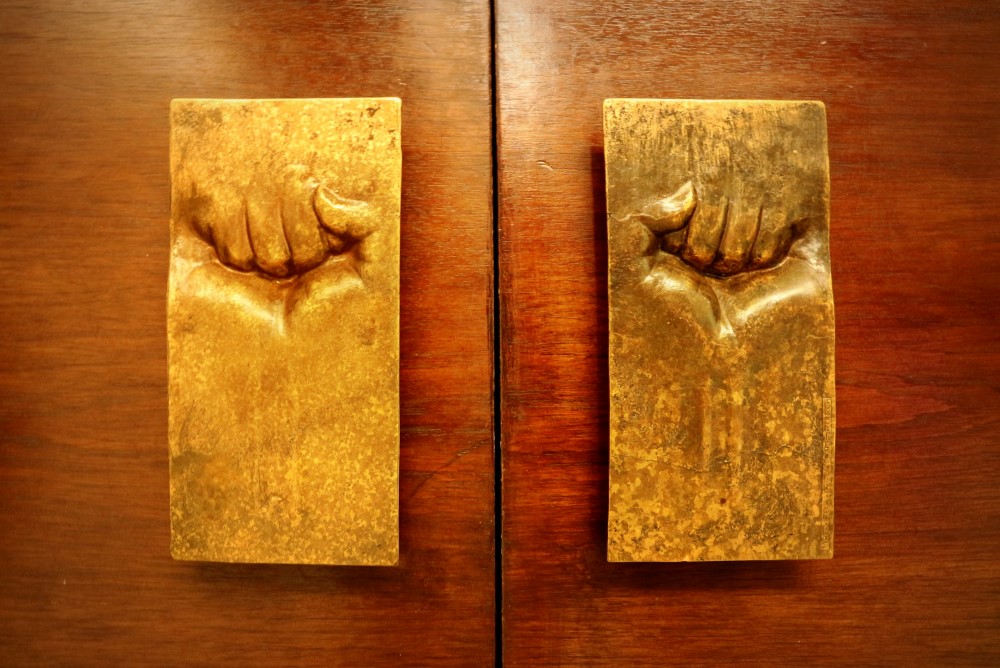 After the military coup, these door handles by artist Ricardo Mesa resembling the classic leftist symbol of a raised fist, were turned upside down to represent the Junta’s repressive policies. Today the GAM (Centro Cultural Gabriela Mistral) has returned them to their intended orientation.
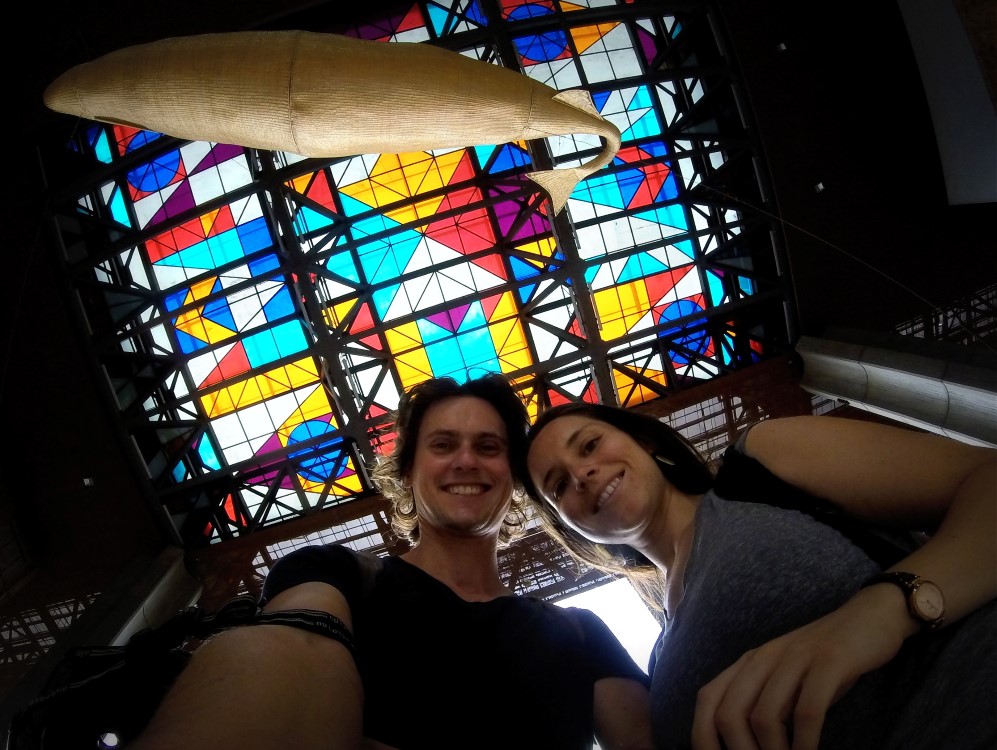 Stained glass and fish.
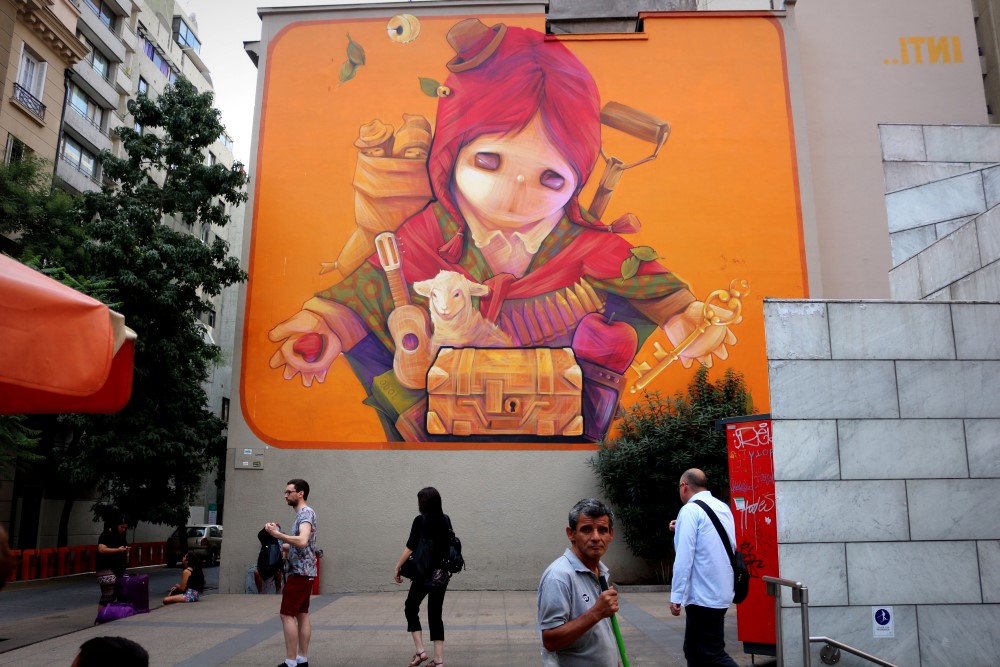 Mural by graffiti artist INTI.
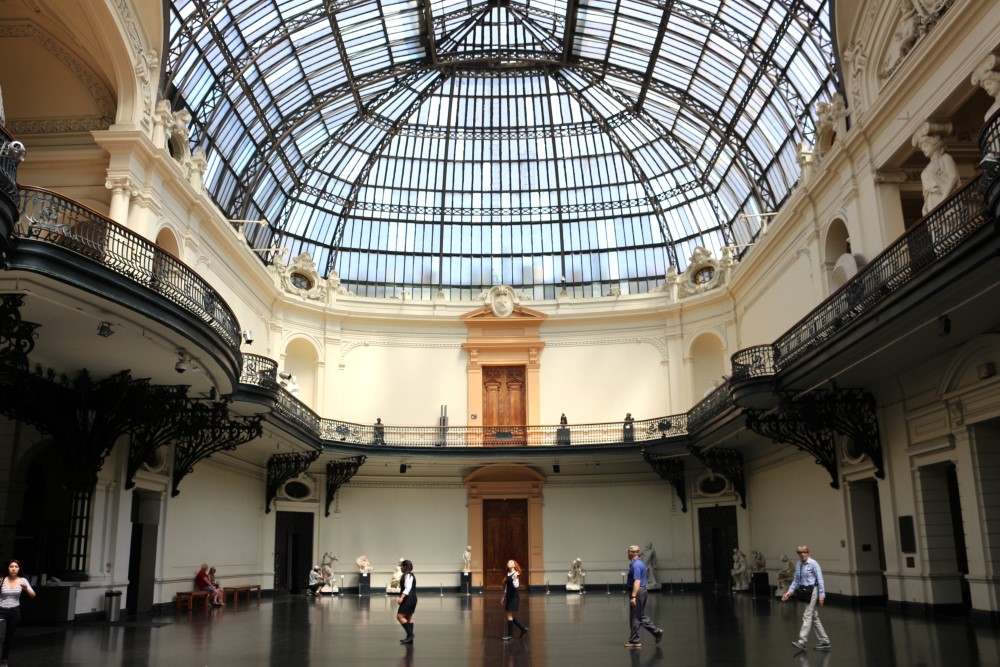
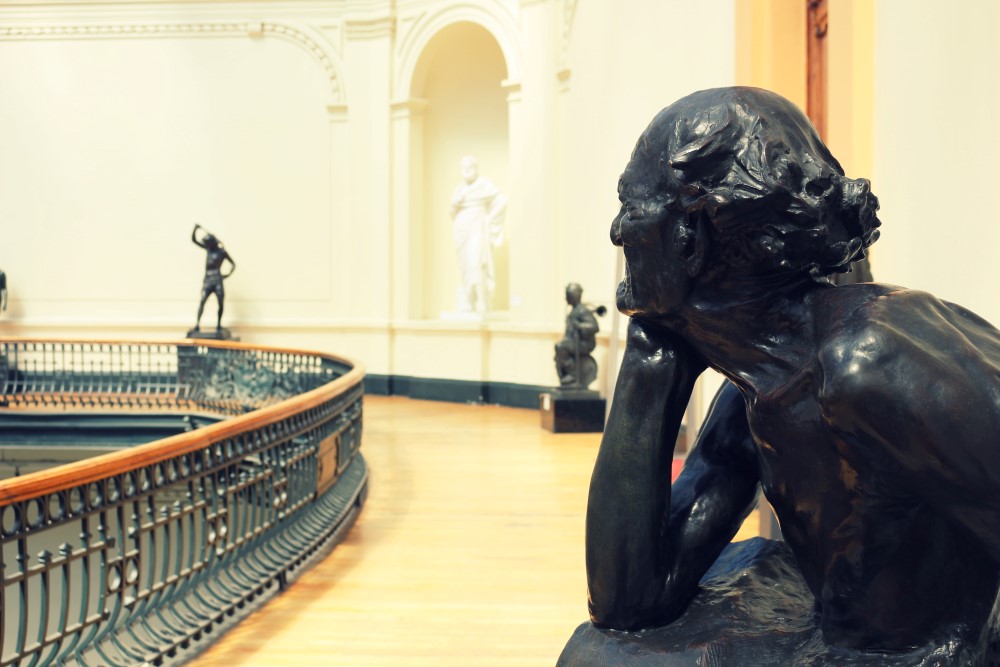
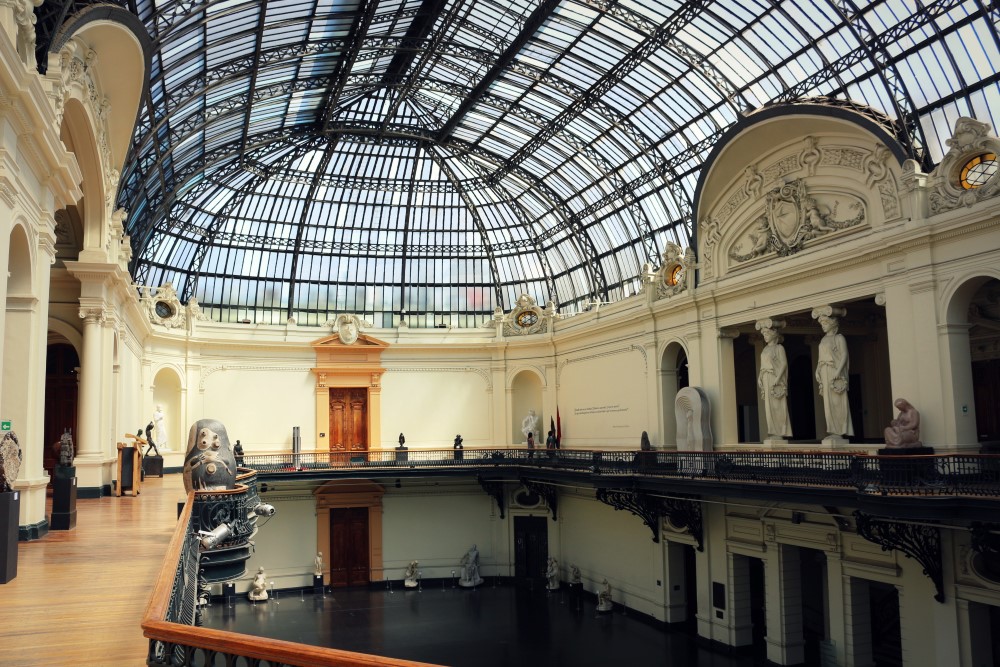
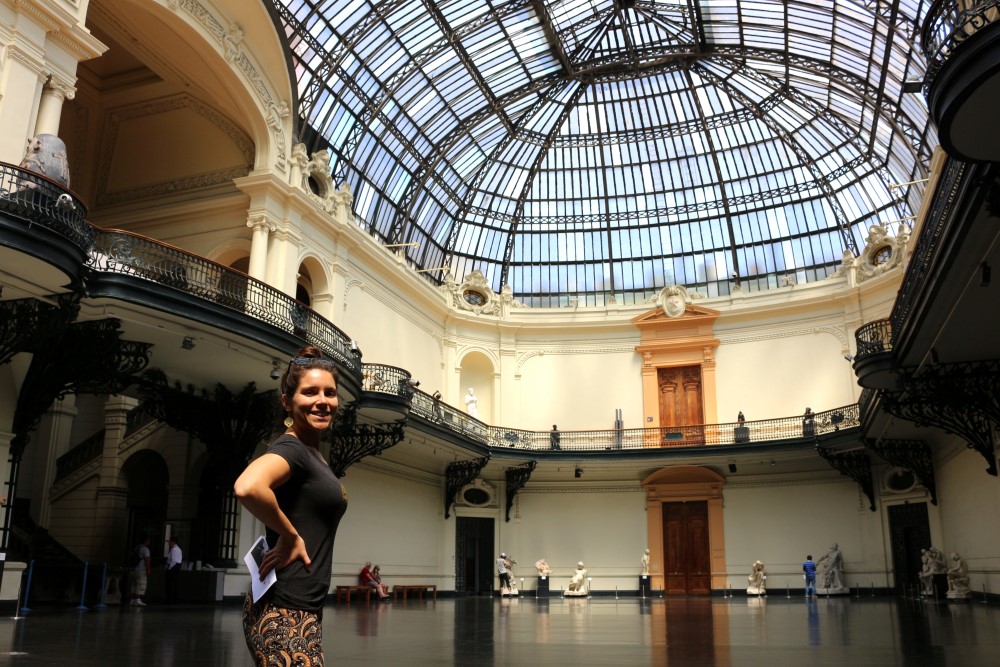 Bellas Artes
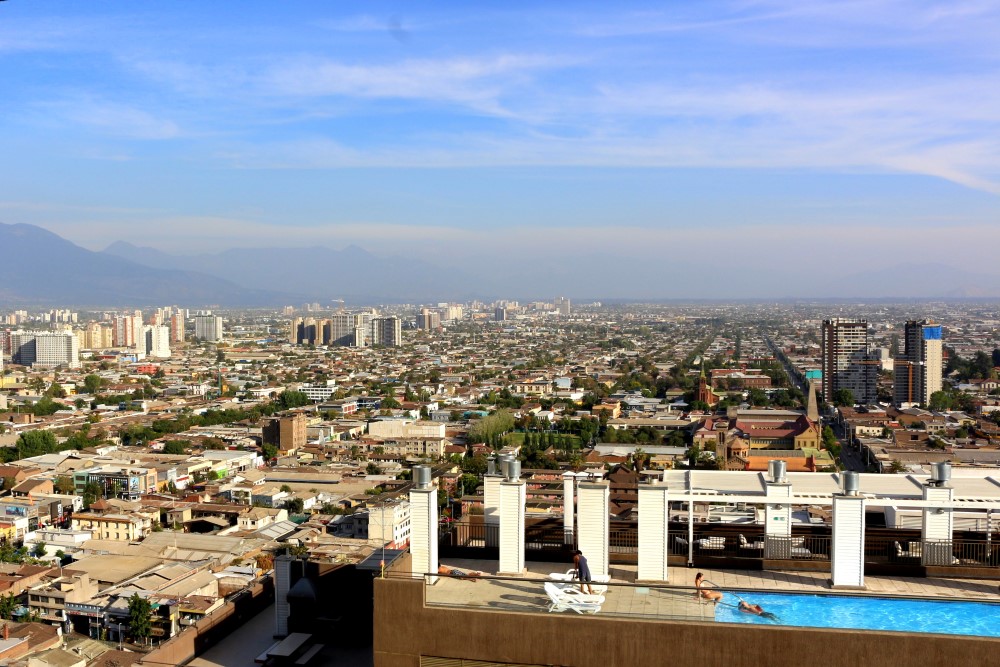 Santiago has a great rooftop-pool scene. Also, the Andes to the left.
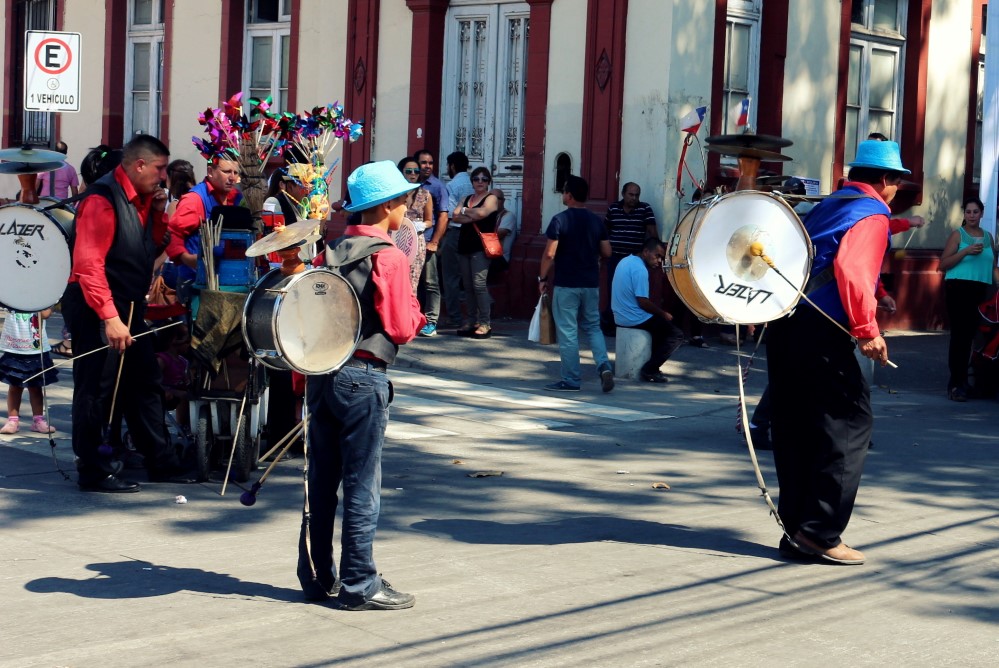 Saturday we headed to Santa Cruz with Loreto and the family to the Vindimia i.e. much wine-tasting and meat-eating.
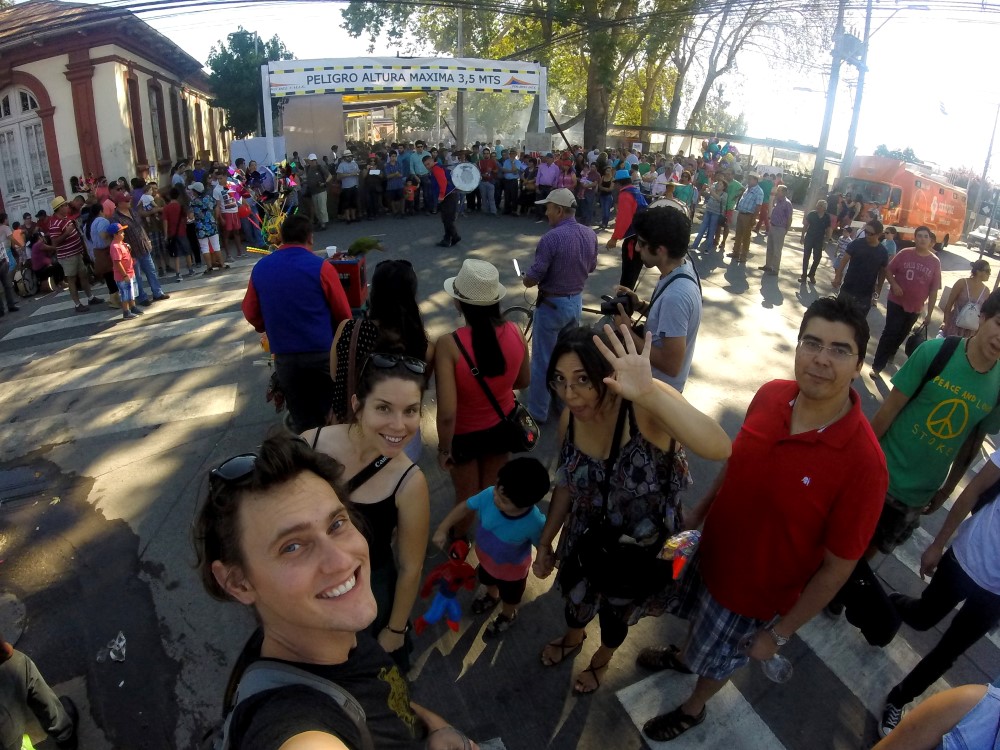
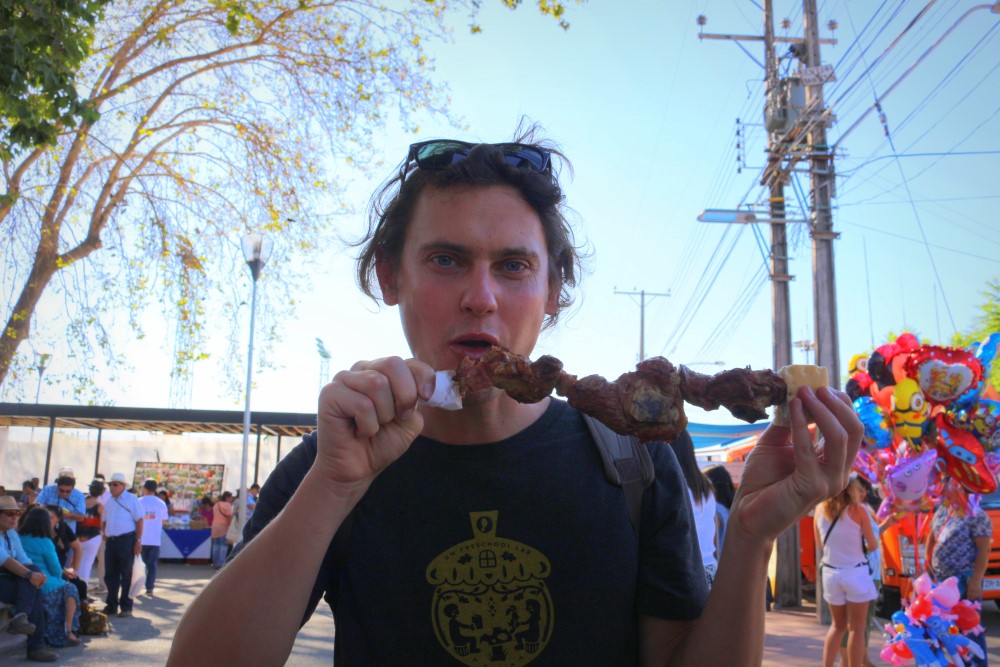 Stick of lamb
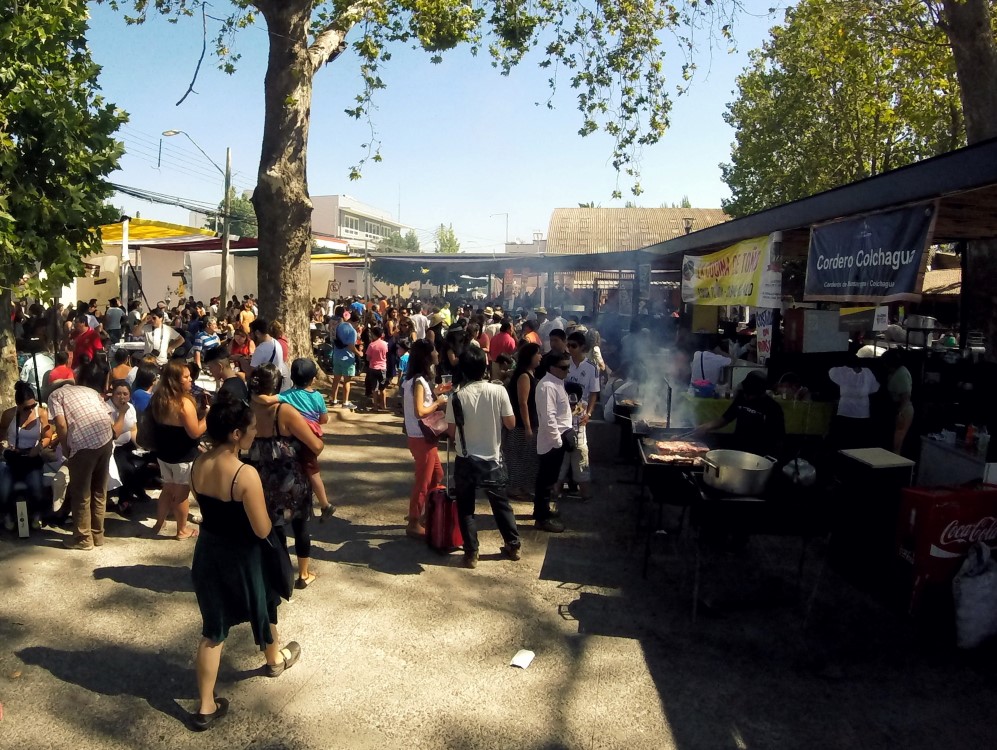
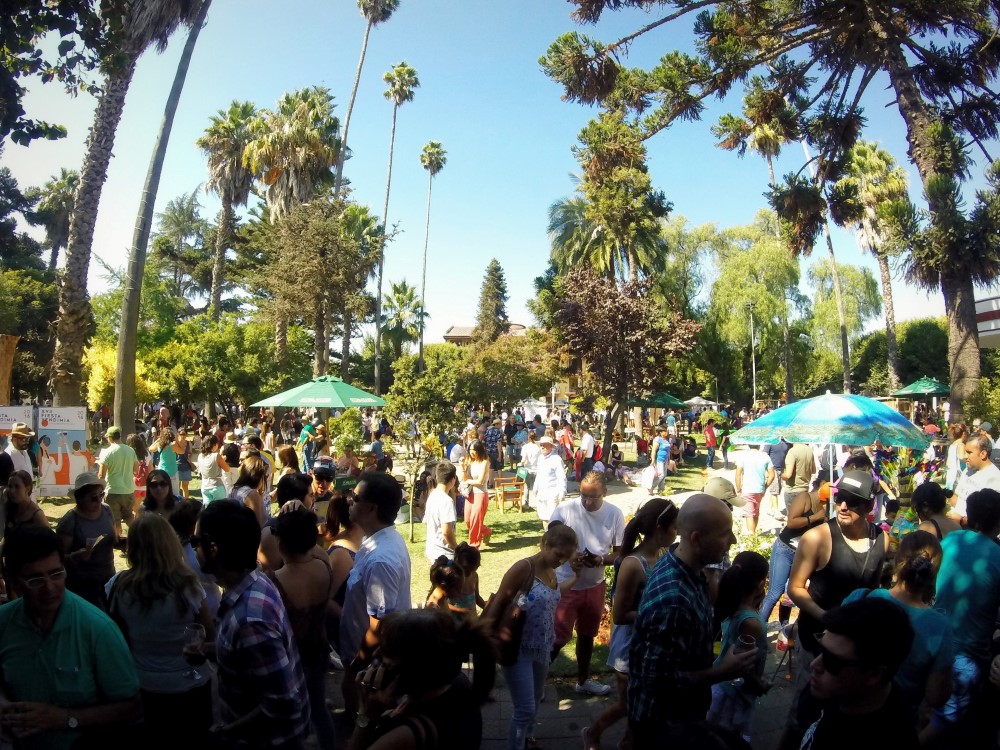
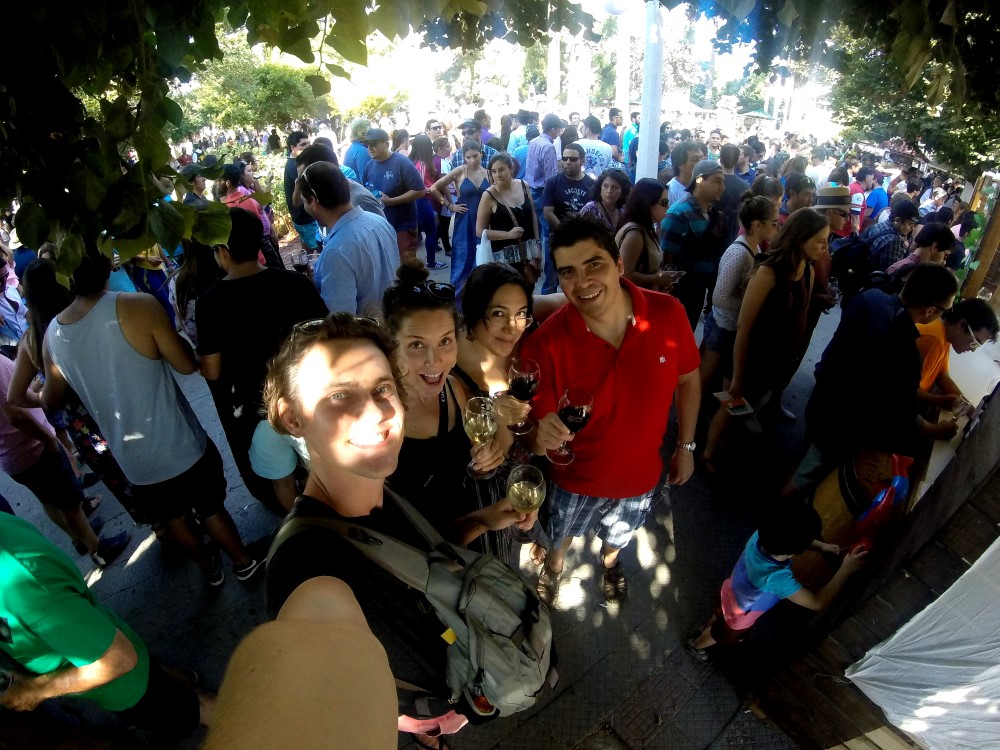 Enjoying the first of many wines!
 This Framerican Life
Muy buena descripción de Santiago fue un placer compartir con ustedes. Mis queridos amigos espero volver a verlos
LikeLike
Gracias por todo! Lo pasamos realmente bien en Santiago!
LikeLike
Nos encantó Santiago y quedarnos con ustedes. Muchas gracias ! Nos vemos cuando visiten a Francia o cuando regresemos a Chile ! Abrazos
LikeLike
Je viens juste de voir le gamin grimpé sur la fontaine (cherchez Charlie) ! La verrière du musée est magnifique : elle donne une très grande luminosité à la salle.
Je ne pensais pas que Santiago était aussi grand et moderne.
Vous revenez tout doucement à la civilisation.
Buvez un coup à notre santé !
Bisous.
LikeLike
Les fontaines sont très souvent utilisées comme piscines par les santiaguinos. Celle-ci leur est particulièrement amusante.
Le Palais Bella Artes et sa verrière ont pris comme modèle le Grand Palais de Paris.
Les rues de Santiago nous ont rappelé celles de New York, en légèrement moins chargées.
LikeLike
looks like a clean and nice city !
LikeLike
We really enjoyed Santiago. A very beautiful city with lots to do !
LikeLike