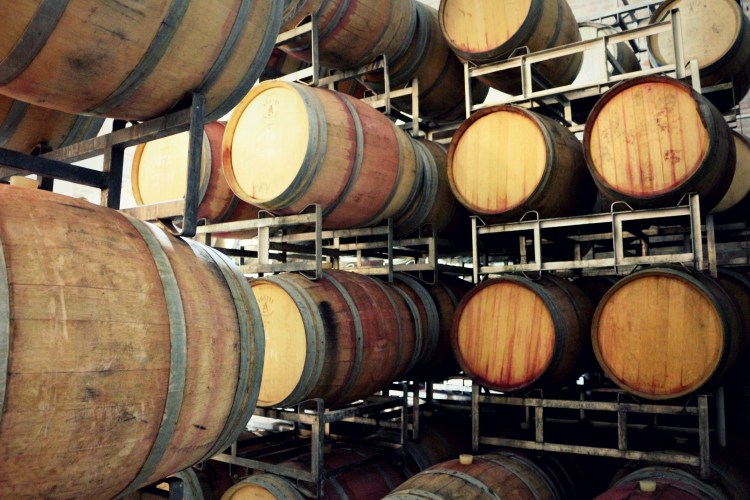
Mendoza is synonymous with wine country in Argentina, most famously known for Malbec, a French grape that despite not growing well in France, flourishes in the greater Mendoza area. We took an organized tour of just one region, the UCO Valley, described by our tour company as “Mendoza’s new frontier in high-altitude wine-making.” The valley is about an hour and a half south of Mendoza-center, and with three bodega tours and tastings, we had a full day of wine ahead of us.
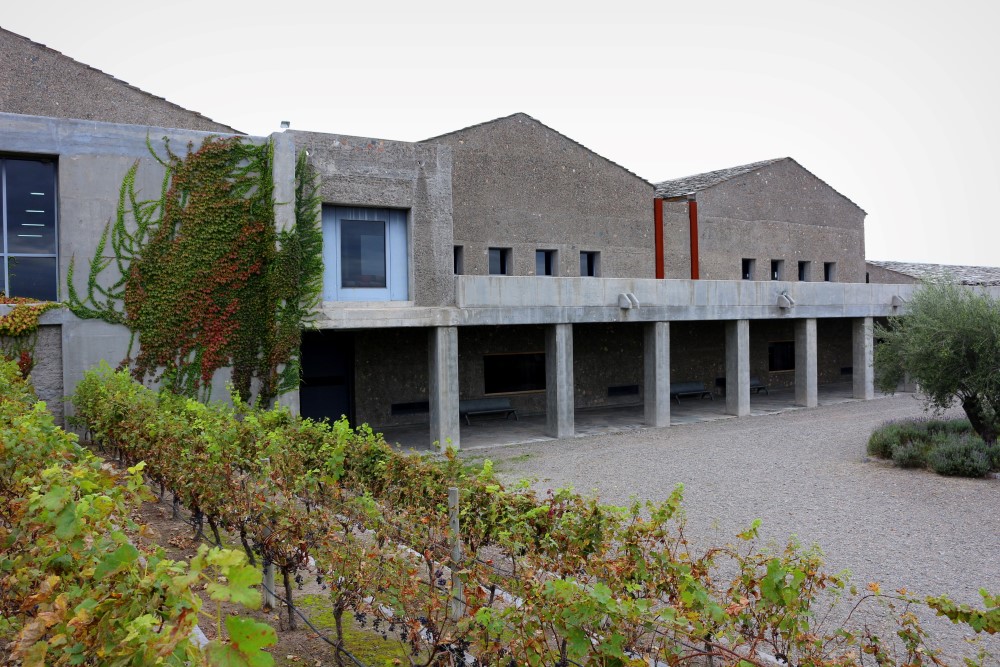
The first stop was Bodega Atamisque. The outside has a decidedly rough look, a purposeful decision by the architect who used stones and gravel from the pebbly land of the area where the grape vines themselves grow. Another distinct characteristic of the bodega was the process by which the grapes are handled. Once inside we were able to see what the guide explained as gravity-processing, the grapes moving from one step to the next by gravity rather than using pumps, a gentler process for the grapes and, I suppose, more ecological.
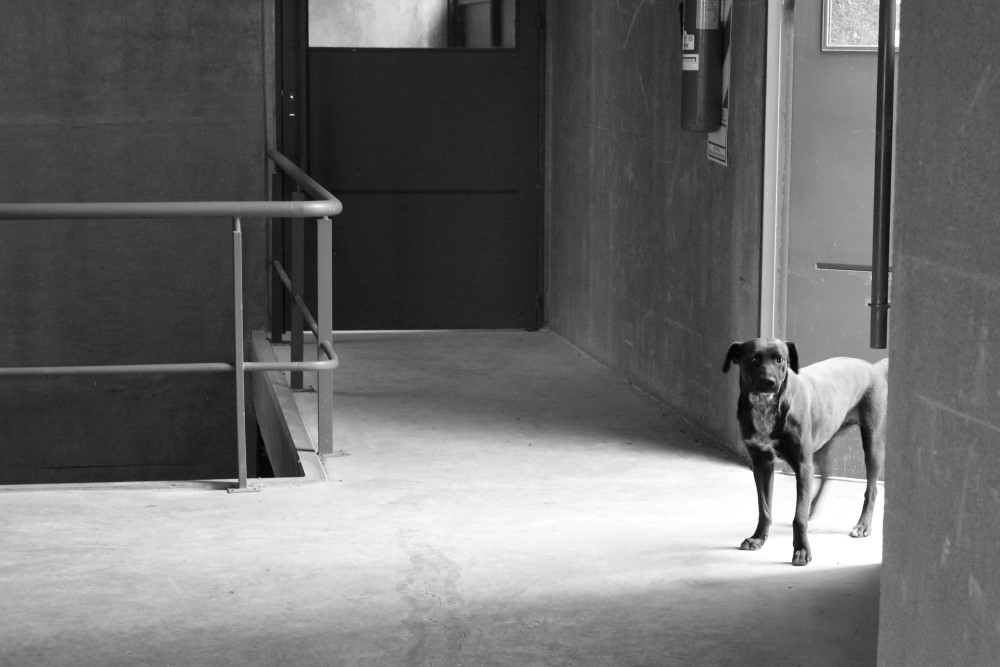 Curious pup
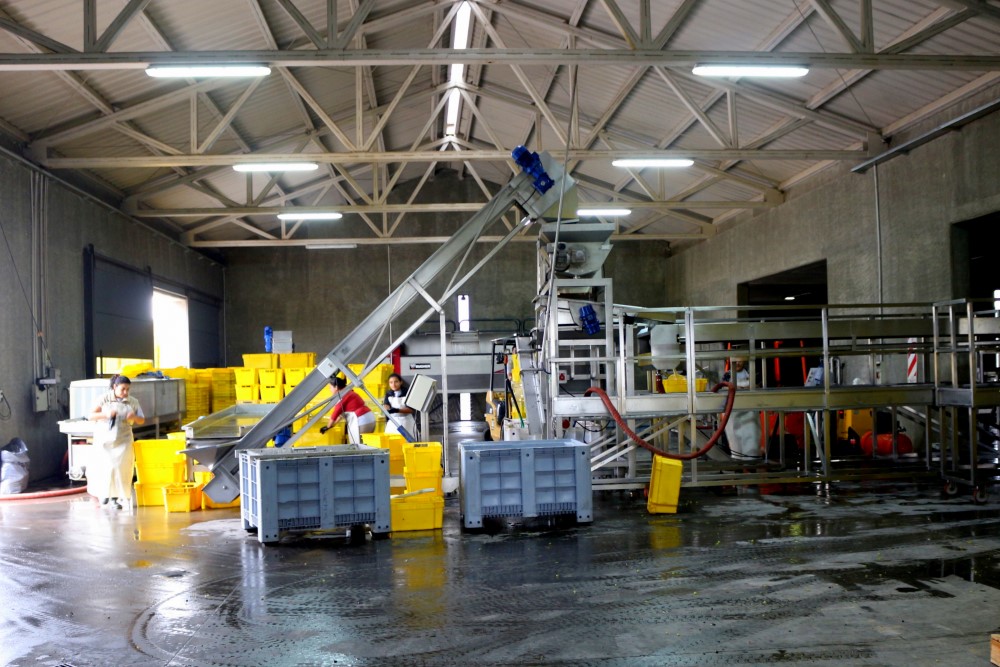 The ramp is an escalator for grapes; from the top of this escalator, the grapes commence their continual downward trajectory.
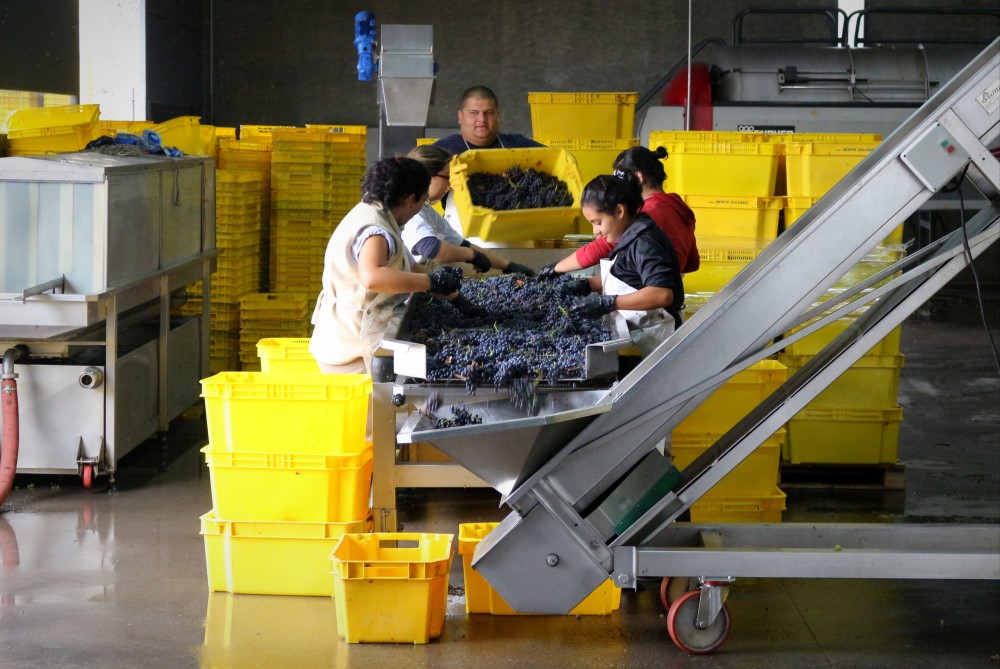 Ladies doing a first sorting, pulling out stems and bad grapes. It was explained that this was a woman’s task as we ladies tend to be more detail oriented, but also because men take on the more physical jobs such as the gentleman pouring the huge 50-pound crate of grapes onto the sorting table.
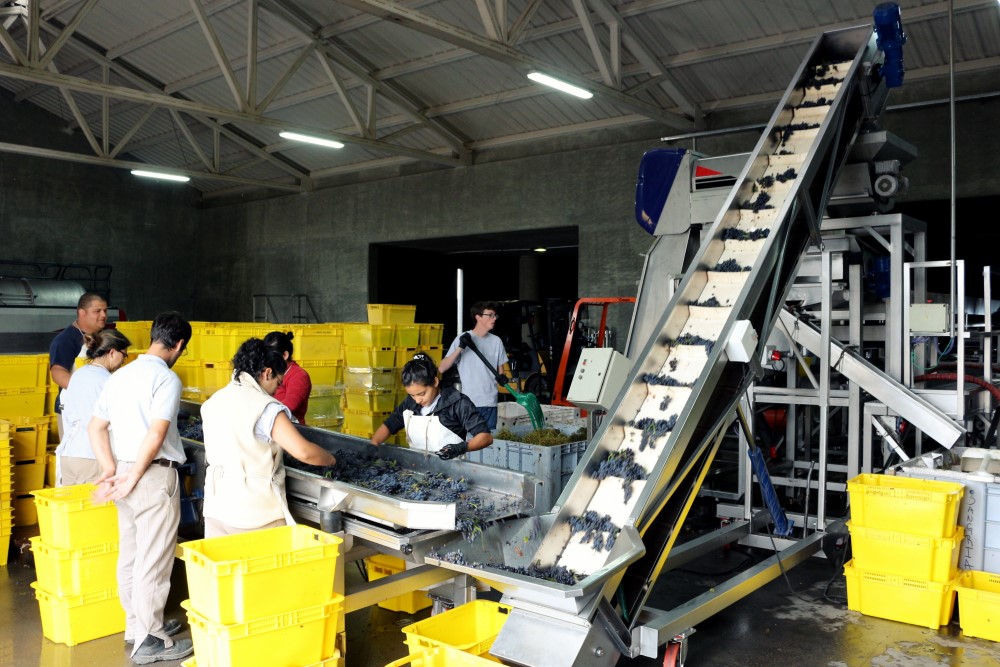 Making their one upward trip
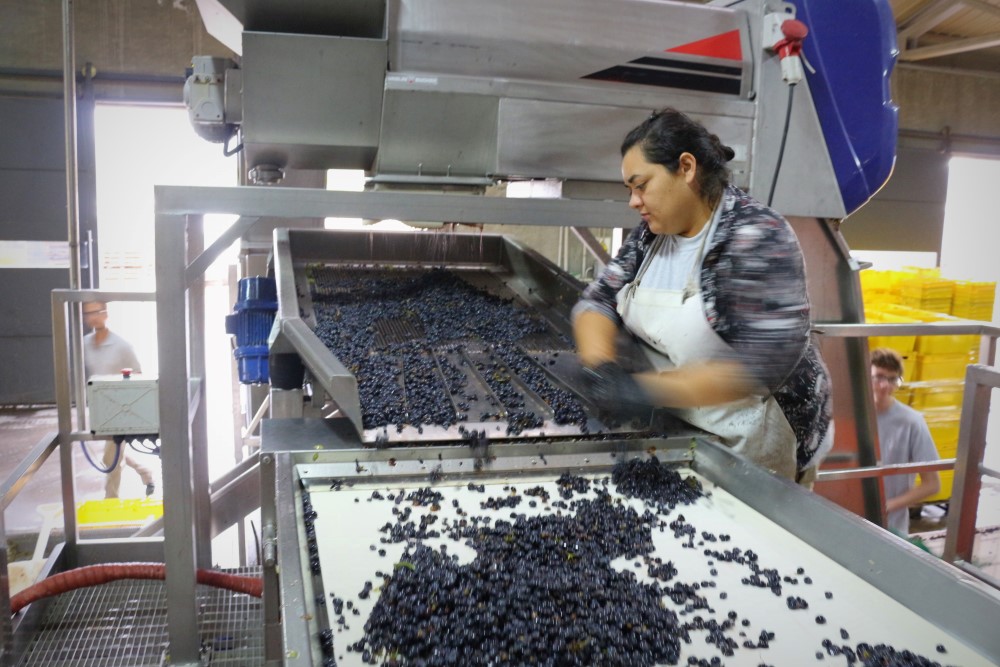 At the top of the grape-escalator, this woman did a last, thorough sorting. It smelled sweetly of grapes.
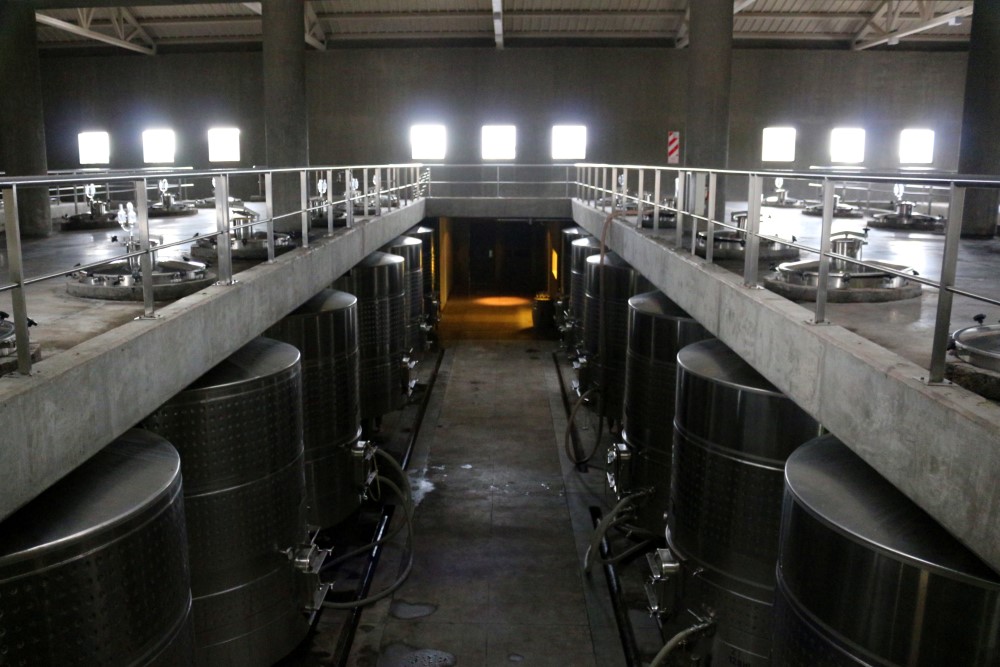 From the final sorting table, the grapes are pressed, the juices flowing into their fermentation tanks a floor below.
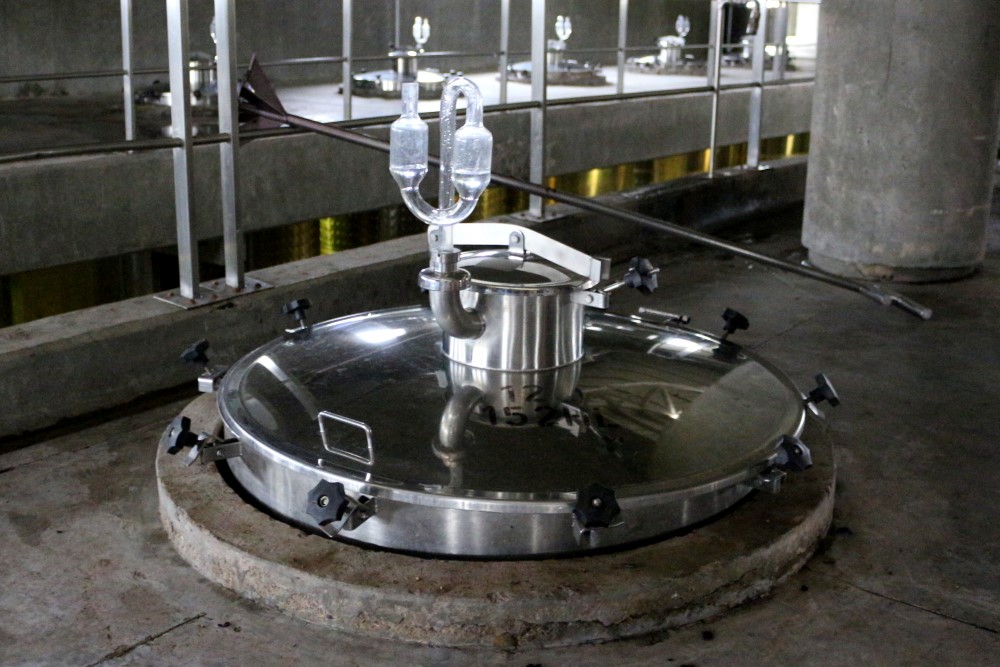 These swan-neck-shaped pipes were atop each tank, a simple yet effective device that allows gases inside the tanks to escape while preventing oxygen and other unwanted outsiders from entering.
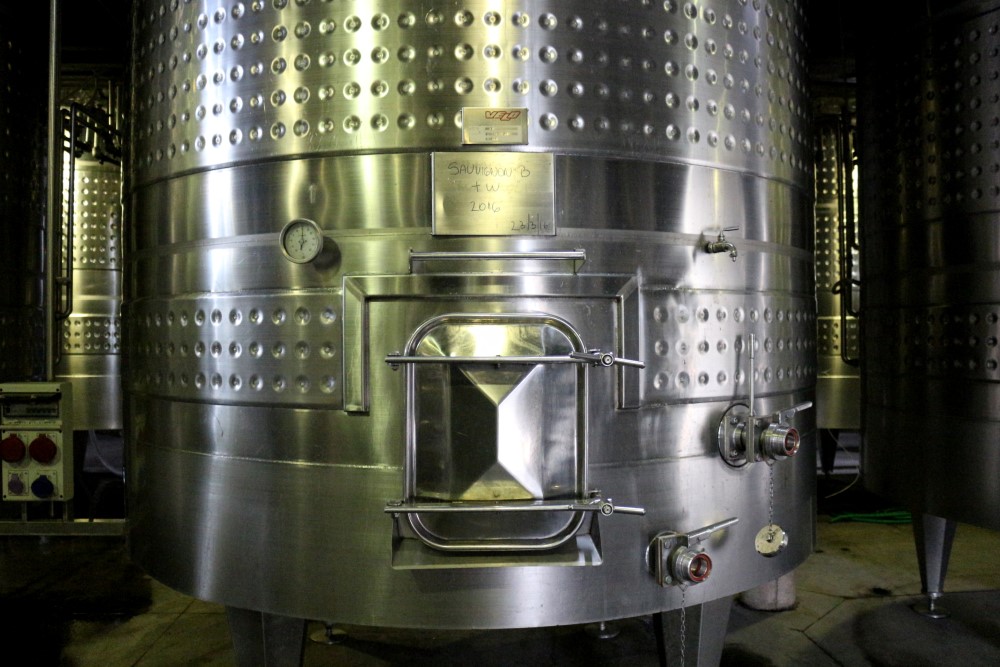 Wine nursery, a week-old Sauvignon Blanc (from 23 March)
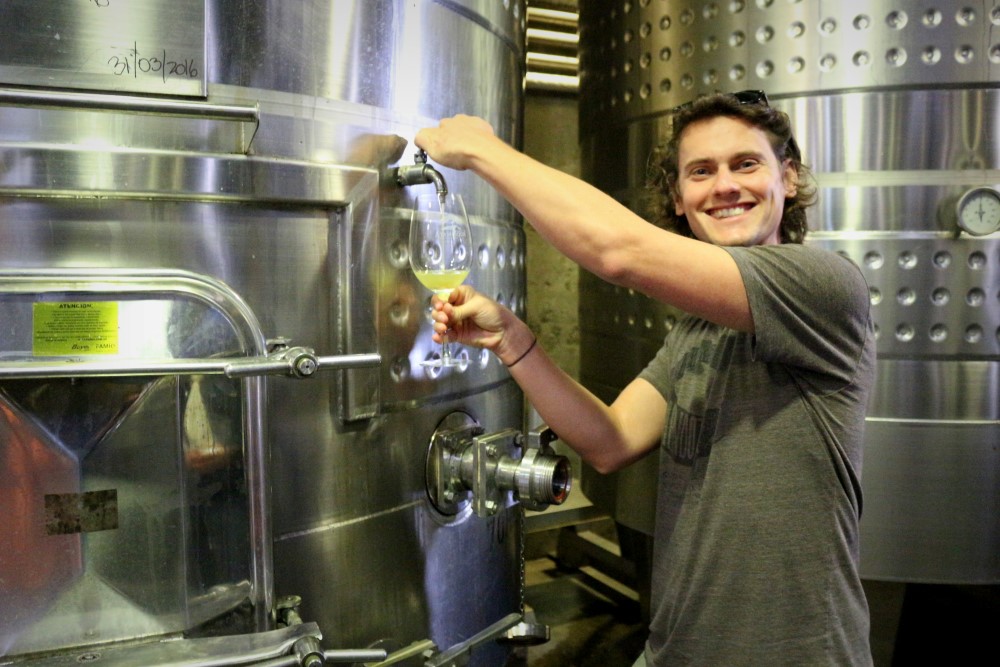
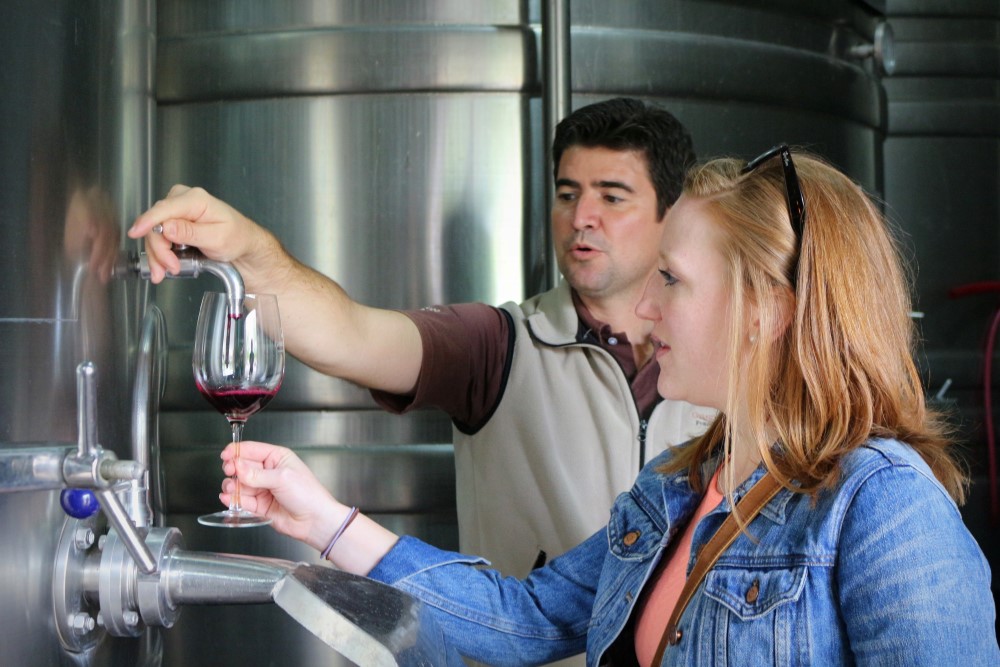
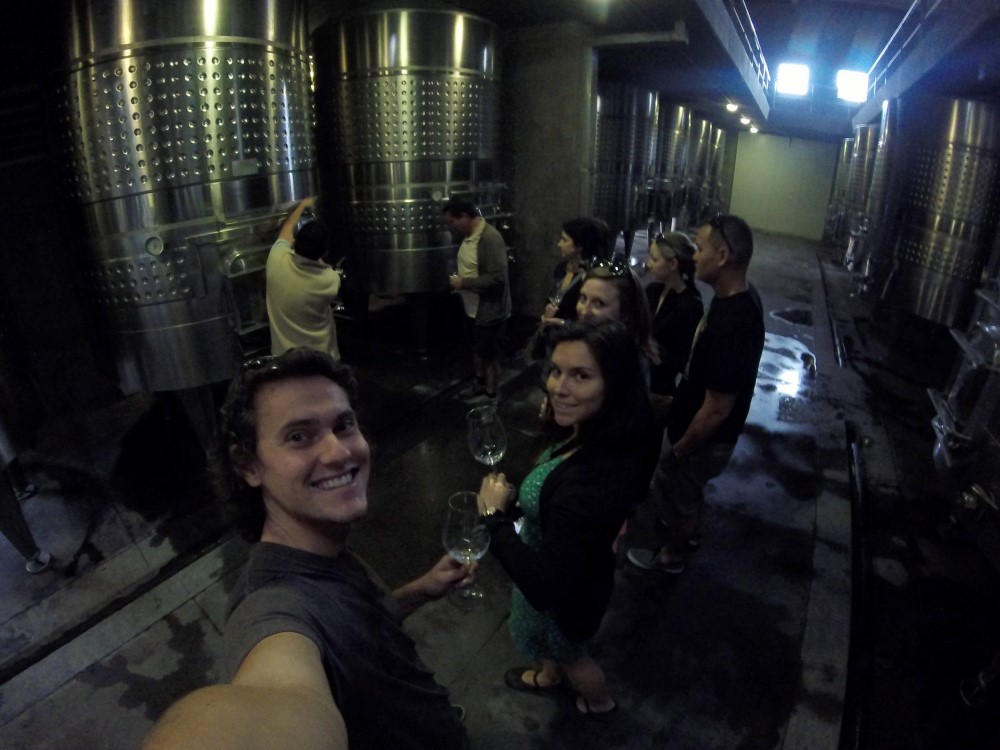 We got to try a Torrentés, freshly pressed and in the tank as of that morning. We hadn’t had much for breakfast, and a glass of fresh grape juice was a delicious start to our day of tasting.

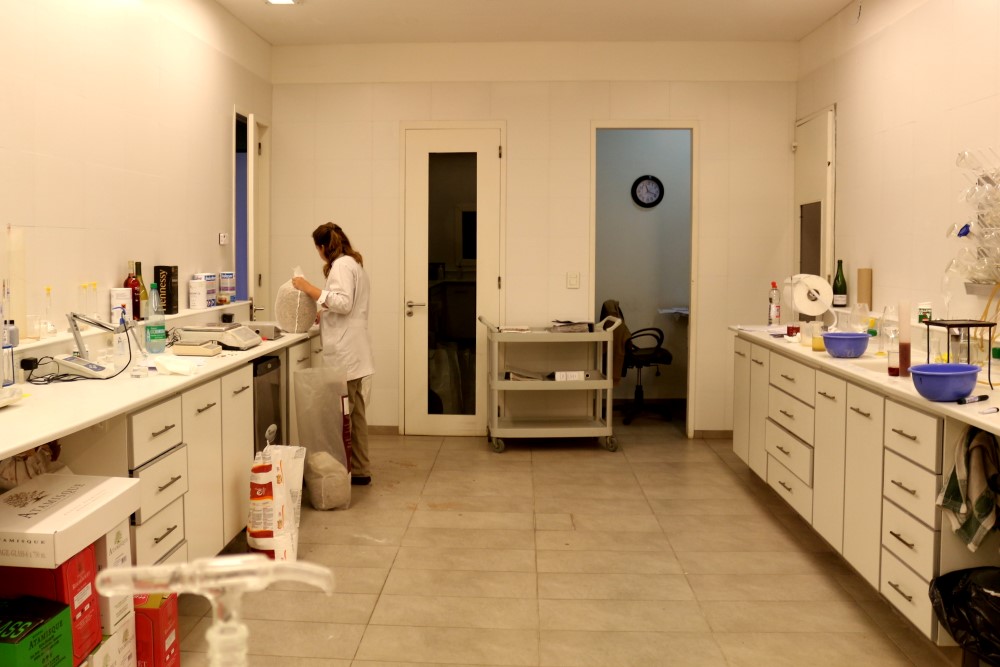 The lab where grapes are tested daily for acidity levels, sugar content, tannin structure, and color to know the perfect moment to harvest the grapes. Here the scientist is putting oak chips in a bag to add to one of the tanks, essentially an oak-chip teabag to give the wine a wood-barrel flavor.
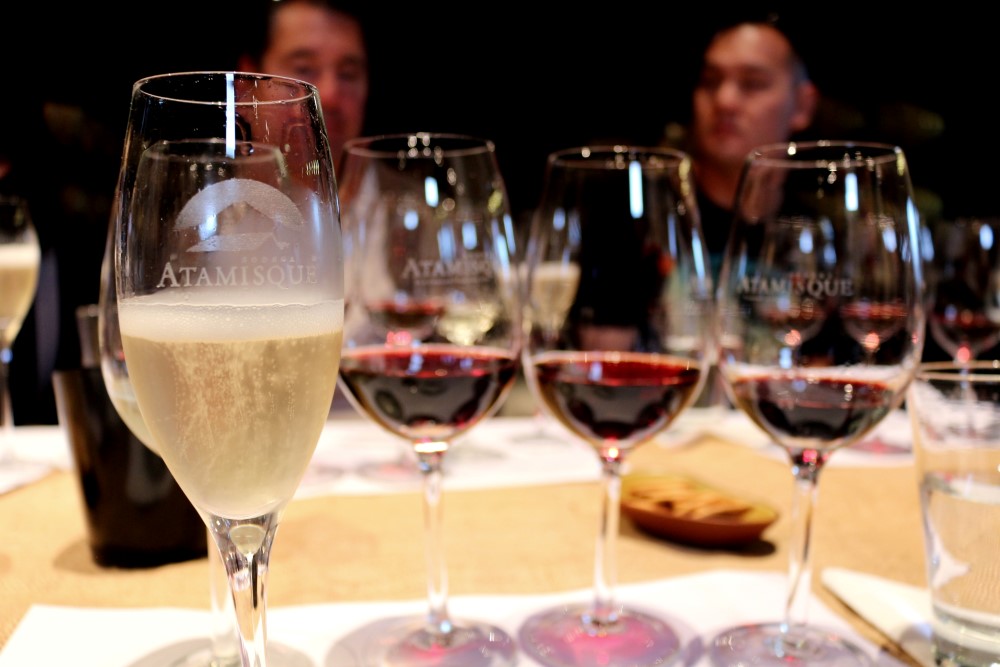 Tasting time
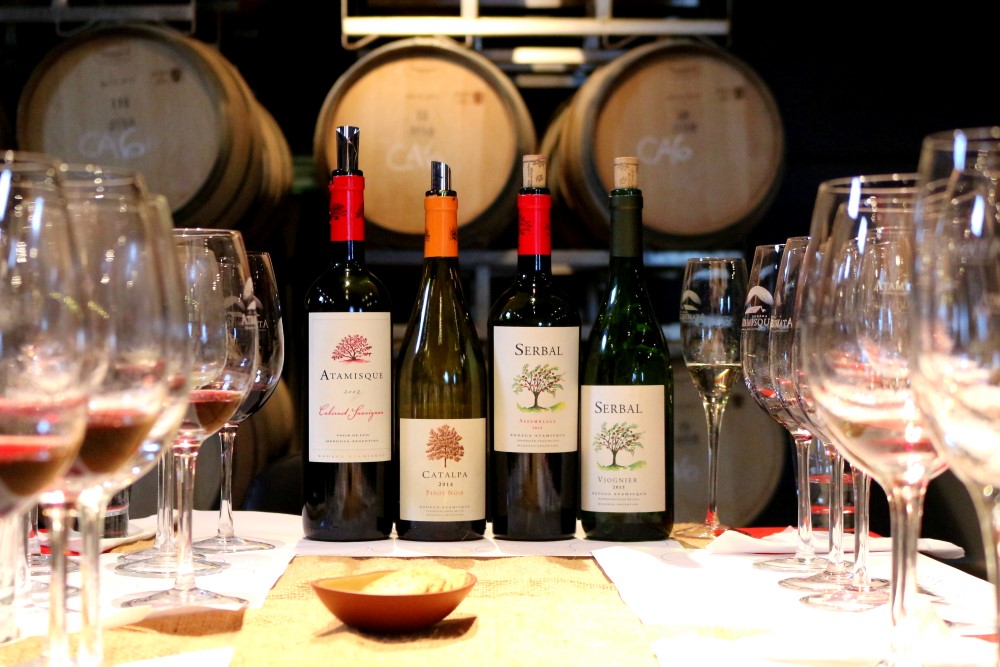 Atamisque labels their wines with distinct tree names
 The next vineyard, Bodega Gimenez Riili. Here, a few Cabernet Franc grapes to taste-test

 Gimenez Riili is run and owned by a tight-knit family of two parents and five sons. We were guided and served by one of the sons.

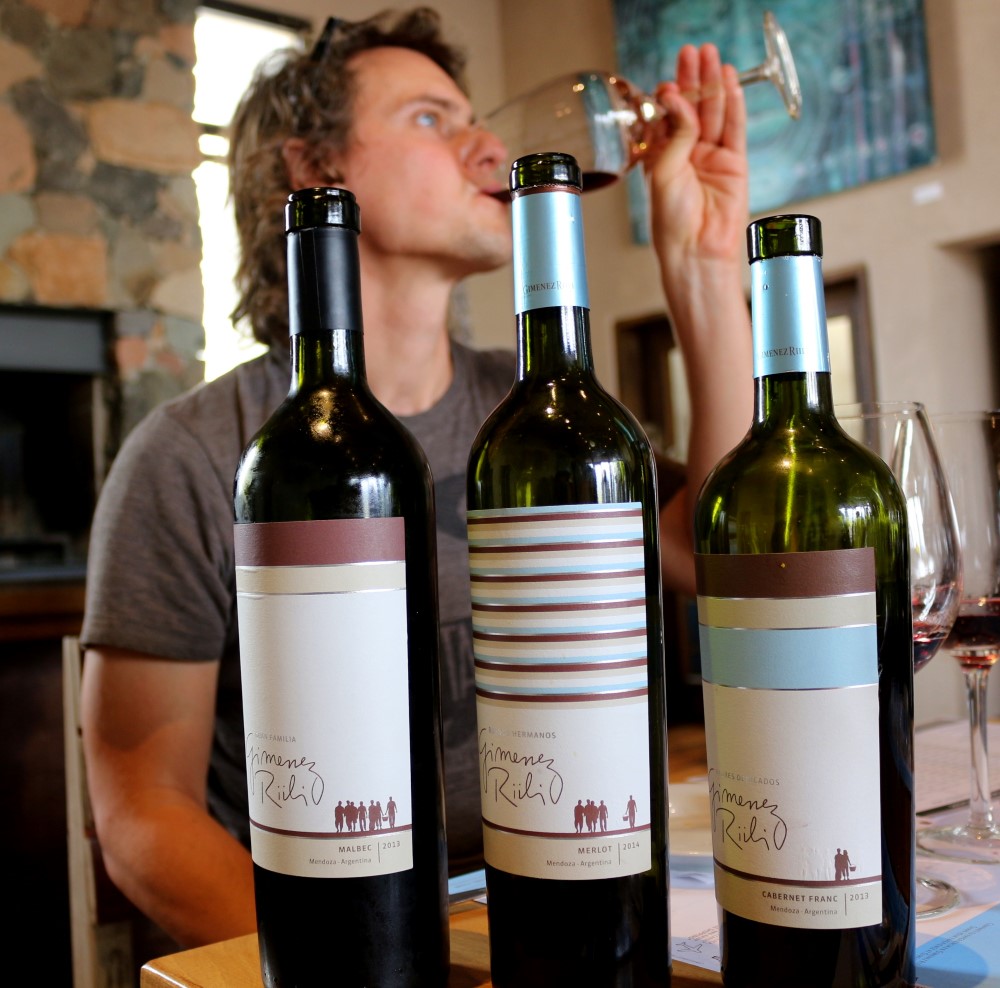 To the far left is a Malbec “Gran Familia” where silhouettes of the whole family can be seen on the label. The next bottle is a Merlot “Buenos Hermanos” (Good Brothers), with just the silhouettes of the brothers visible. The last bottle is a Cabernet Franc “Padres Dedicados” (Dedicated Parents), with just the parents’ silhouette visible. The silhouettes of the whole family are embossed on every label.
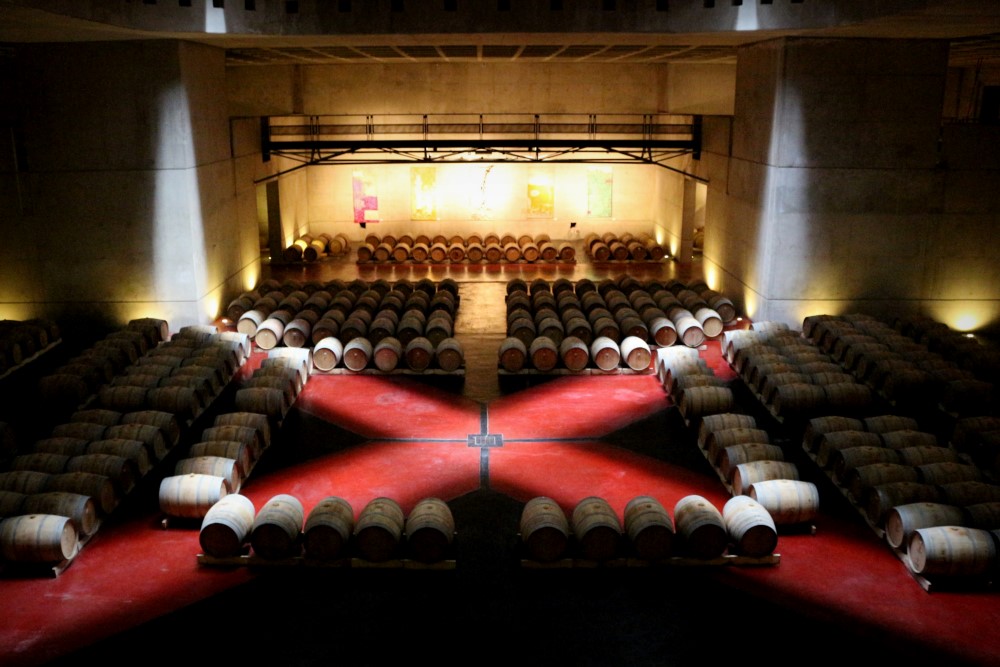
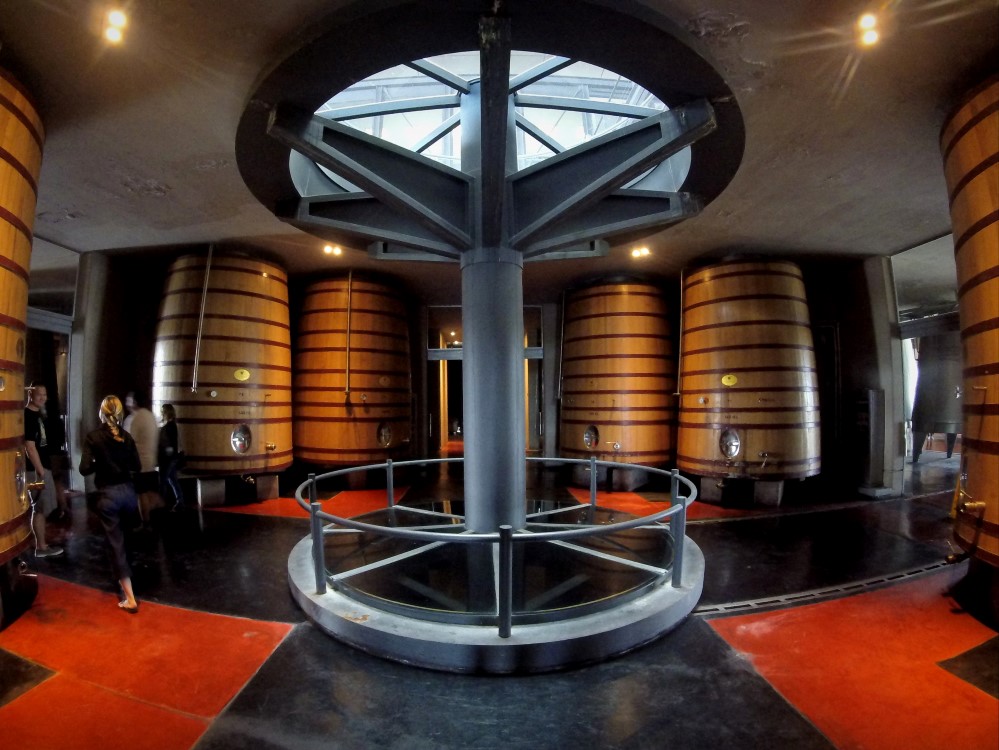
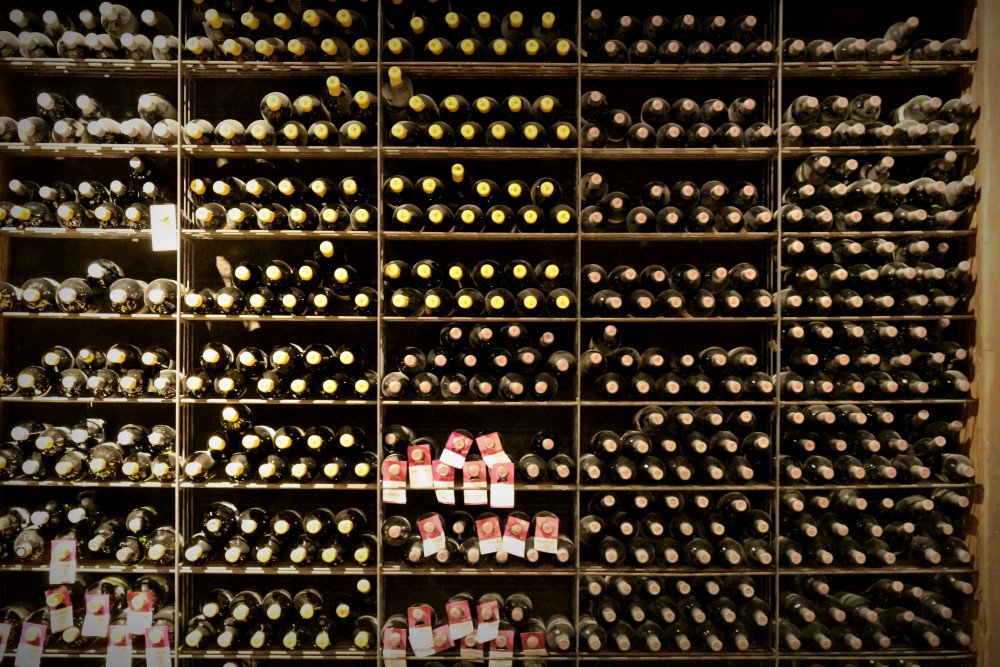
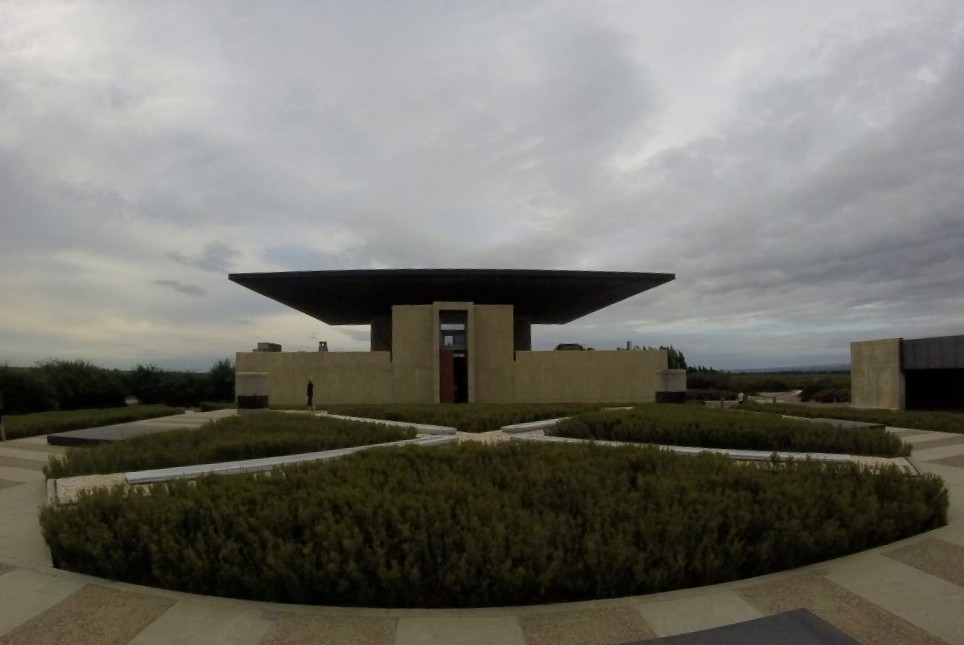 The third stop, Bodega O’Fournier, perhaps the most futuristic-looking bodega of the tour; also where we enjoyed lunch.
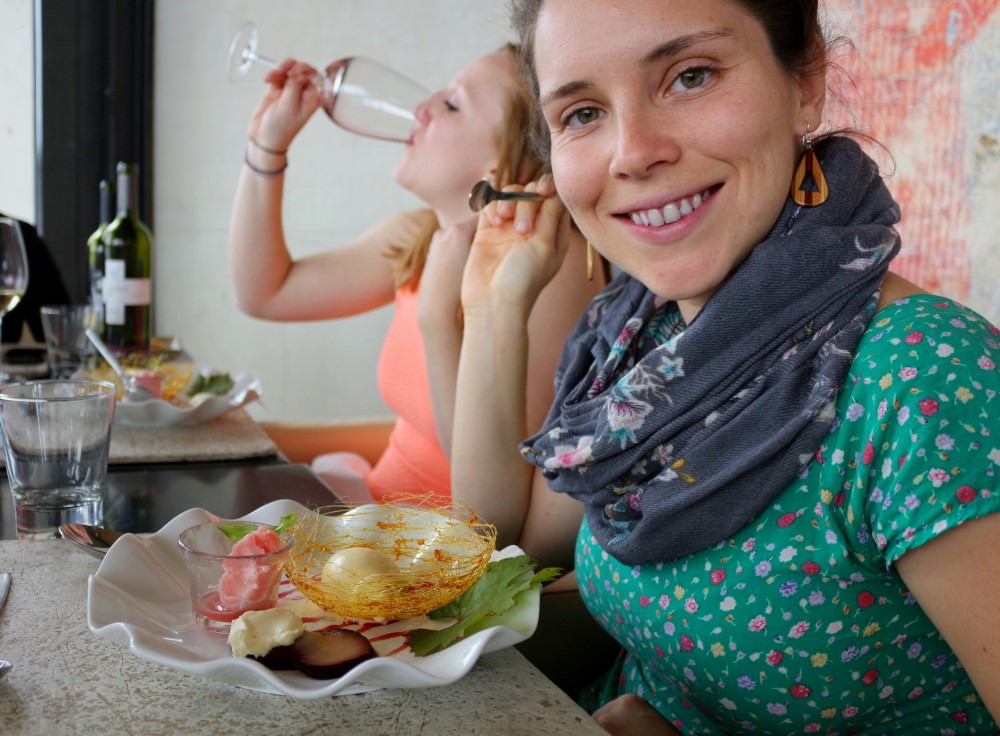 Dessert!
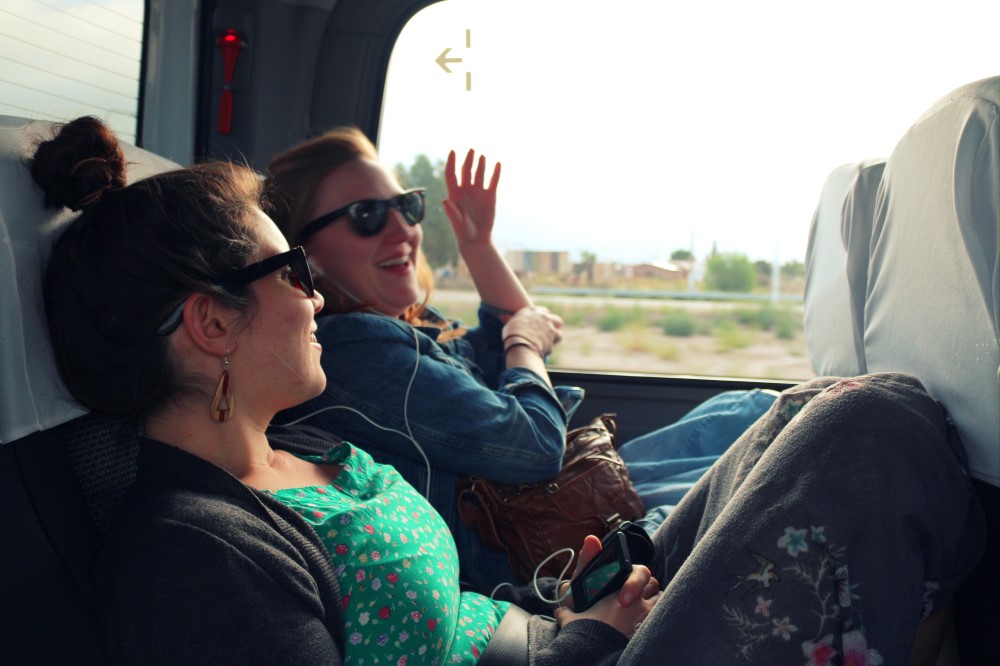 Animated conversation on the ride back to Mendoza. A big thank you to Ampora Wine Tours for a lovely day!
 This Framerican Life
Visite et explications très intéressantes. Nous aurions bien voulu goûter aussi. On a bien aimé l’explication des silhouettes sur les bouteilles.
Bises.
LikeLike
Merci ! L’Argentine autant que le Chili ont d’excellents vignobles. Ce fut une belle découverte.
Bises
LikeLike
I am disappointed in the wine I thought would be great when I bought it for the name, La Ferme de Julien… I know I don’t know wines, and you have better knowledge of what a good should taste like.
Both of you had such a great opportunity in your travels to taste so many different kinds…
I like the picture of Julien serving himself!! I had a bit of a laugh seeing Anne and Erin looking like they had had a bit too much wine and seeming satisfied.
LikeLike